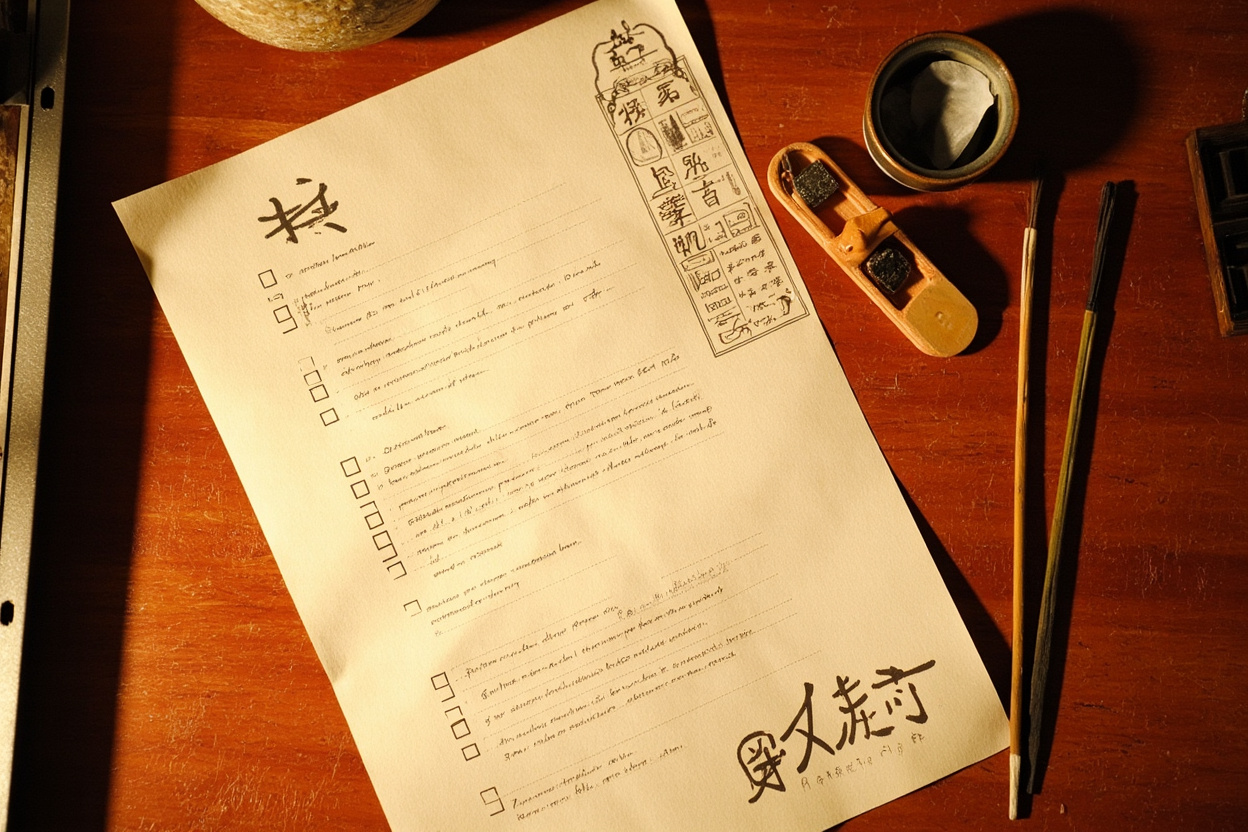
Starting with Chinese incense? There is a lot to get right before your first burn. Use this checklist to make sure you have everything covered – from buying your first materials to lighting your first stick safely. Print it, save it, use it.
Before You Buy: Preparation Checklist
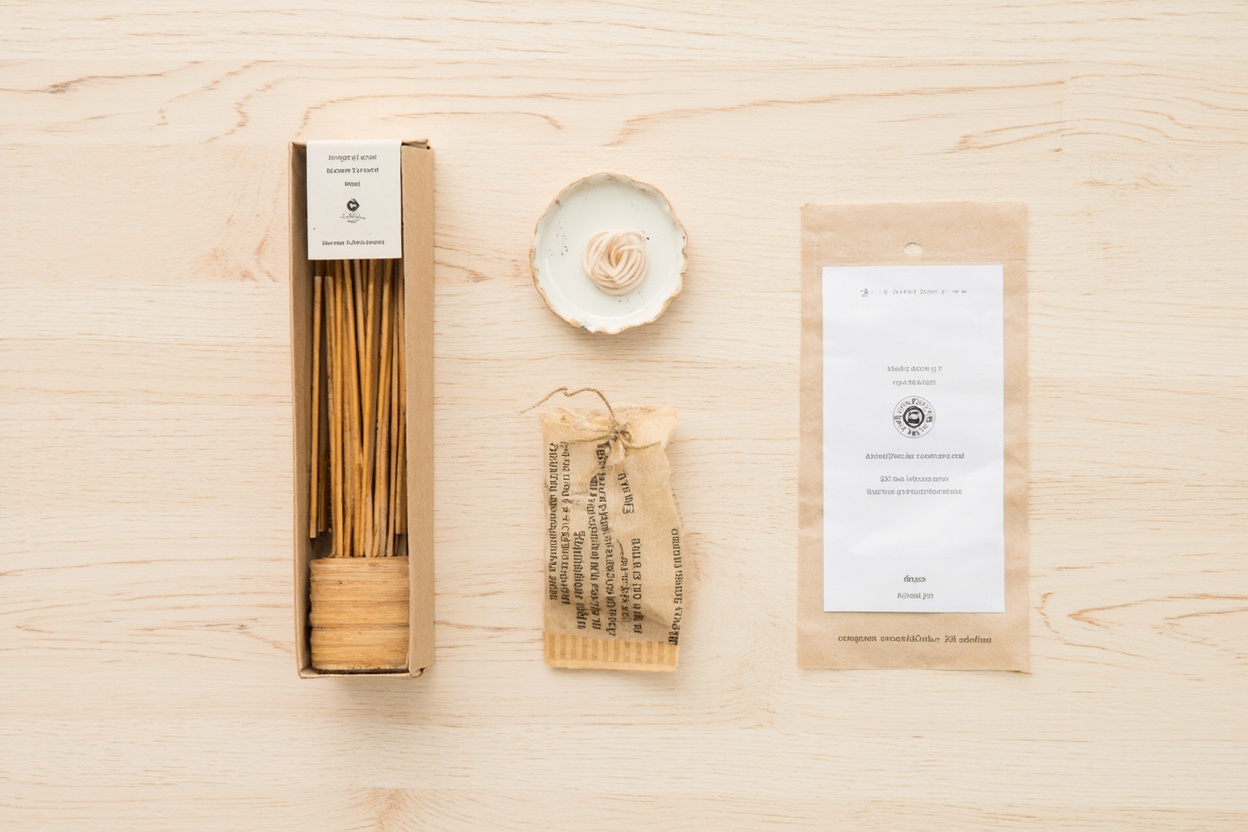
- Research vendors – avoid any seller making claims that seem too good to be true on agarwood
- Set a budget of $20-30 for first samples, $50-80 for proper starter kit
- Decide whether you want to start with sticks (easiest) or explore powders later (more control)
- Research the materials – start with sandalwood, not premium agarwood
- Find a reputable vendor with testing documentation for premium materials
- Buy small sample quantities before committing to larger purchases
Your First Purchase: What to Get Checklist
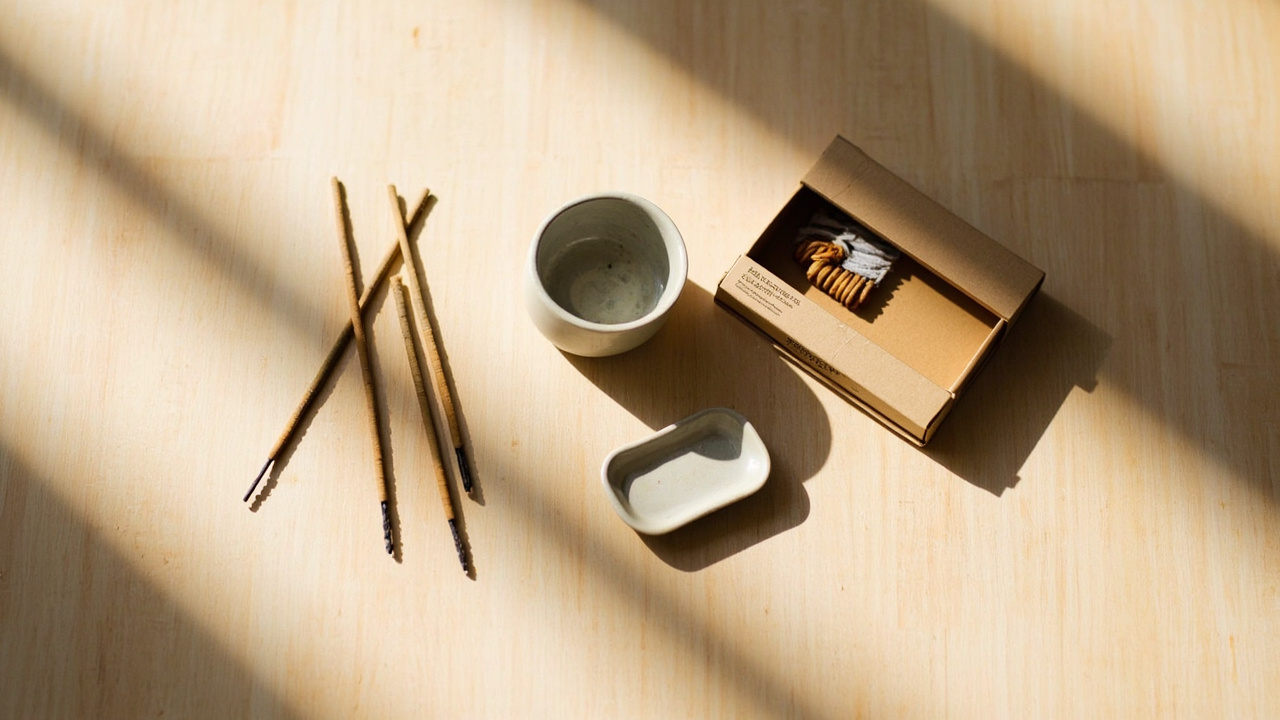
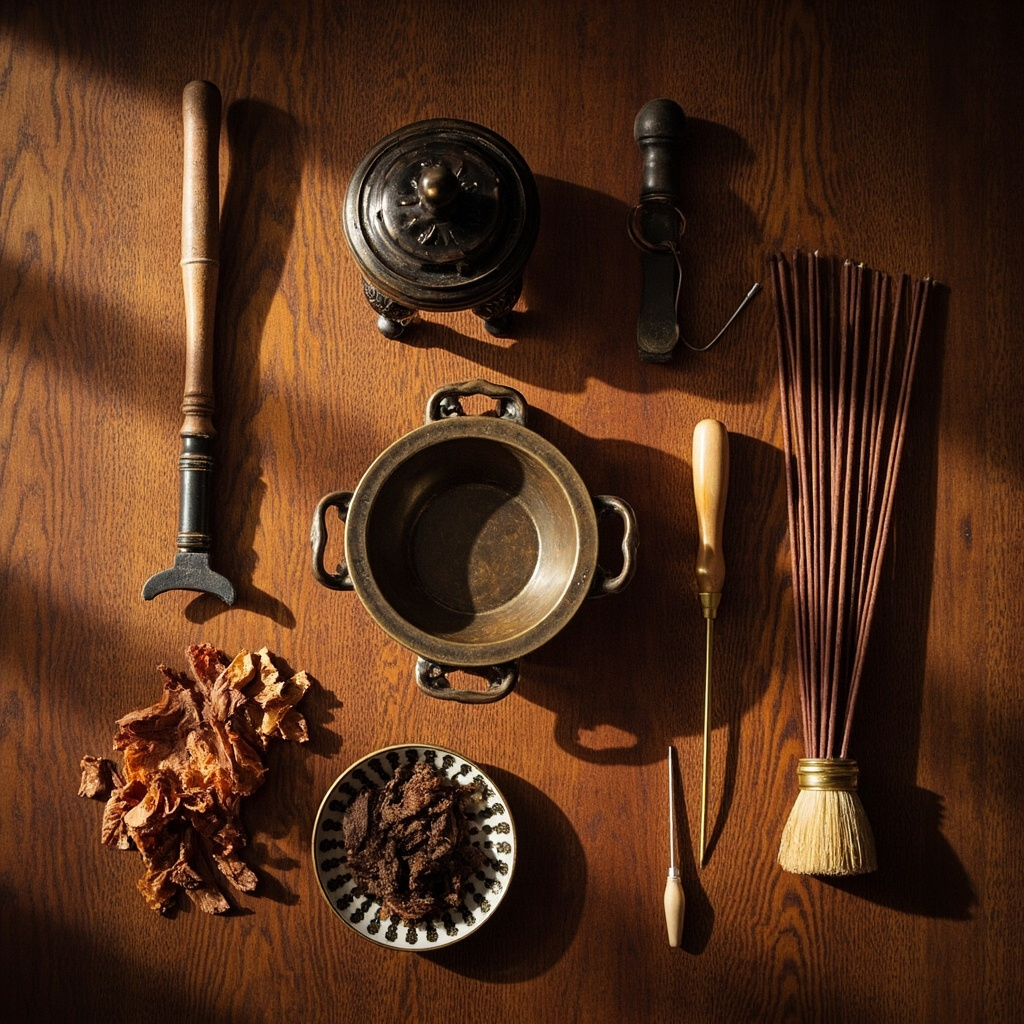
- A small ceramic or bronze burner suitable for your space
- A heat-resistant base or trivet to protect furniture
- A small container of fine ash (xiang hui) for your ash bed
- One box of quality sandalwood line incense sticks
- One box of line incense from a different material (optional but recommended)
- A lighter or matches – butane lighters work better than wooden matches
- Aluminum foil or a small ash scoop for cleanup
Setting Up Your Space: Practical Checklist
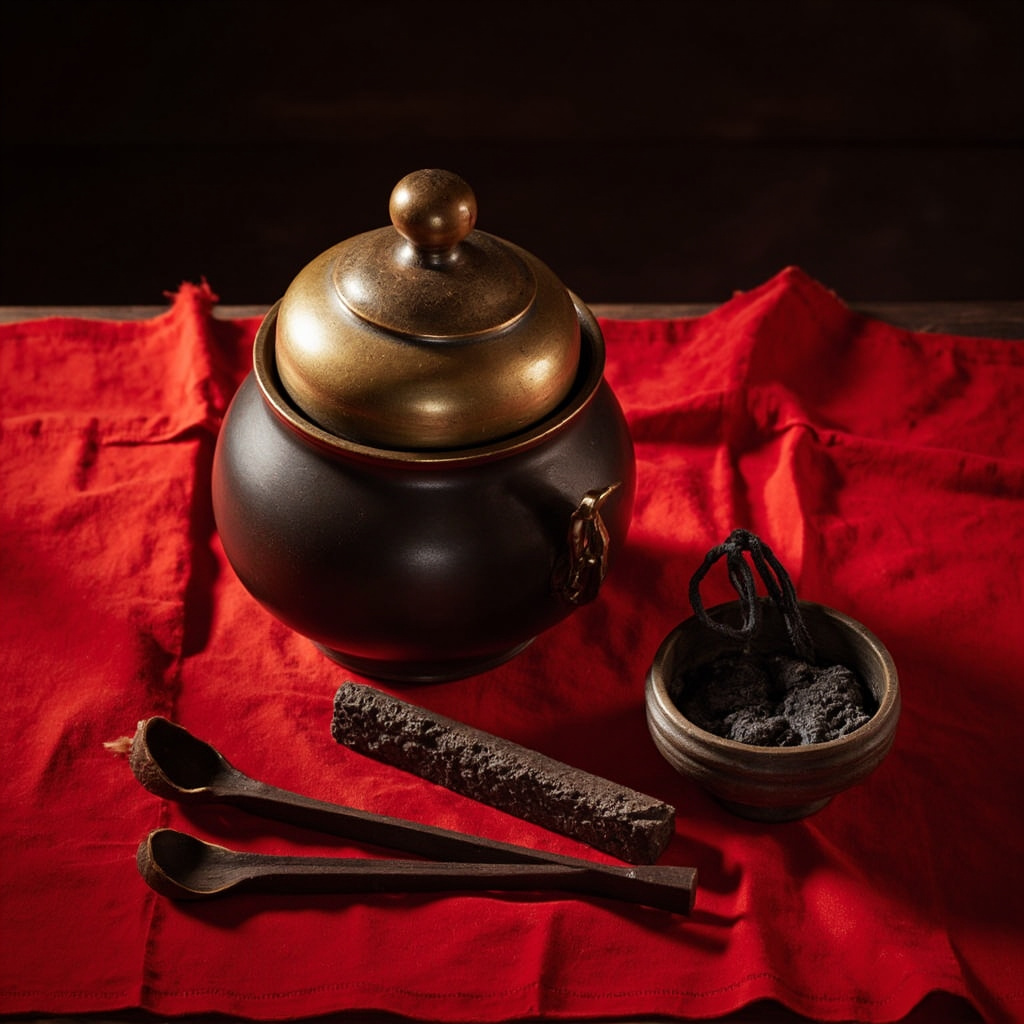
- Choose a stable, non-combustible surface for your burner
- Ensure the space has ventilation – a window crack or air exchange
- Remove all flammable materials within 50cm of the burner
- Keep the burner away from ceiling fans and air vents
- Ensure the space is quiet – you want to notice the fragrance, not ignore it
- Set your phone to silent and notify others not to interrupt
- Have a metal or ceramic dish ready for ash disposal
Your First Burn: Technique Checklist
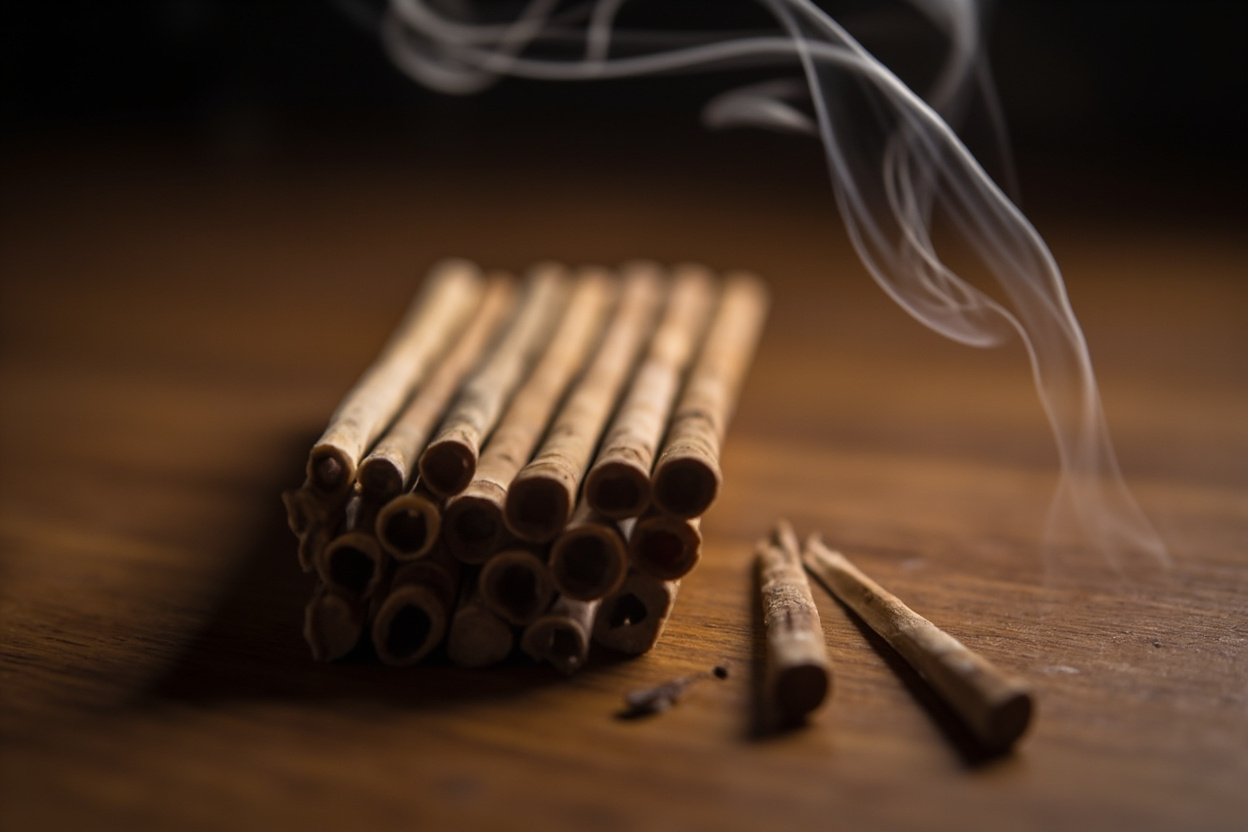
- Light the tip of the stick at a 45-degree angle
- Let the flame burn for 5-10 seconds, then gently blow it out
- Place the stick in the burner at a slight upward angle
- Position yourself so you can observe the smoke without leaning over it
- Sit upright, breathe normally, and simply notice what happens
- Do not burn more than one stick at a time for your first sessions
- Wait at least 30 minutes after the flame goes out before handling ash
Building Your Practice: Progression Checklist
- Complete one full month of daily single-stick practice before advancing
- Try at least 3-4 different material types (sandalwood, then others)
- Learn to notice how fragrance changes from beginning to end of one stick
- Read one classical text – even a summary of the Xiang Cheng
- Find a community or online forum of practitioners for Q&A
- Consider a beginner course or workshop if available in your area
- Only after basic competence: explore indirect burning (ge huo)
- Only after indirect burning: explore blending (he xiang)
Ongoing Safety: Maintenance Checklist
- Never leave burning incense unattended – extinguish before leaving the room
- Clean ash from burners weekly to prevent buildup
- Store all materials in airtight containers away from humidity and heat
- Keep materials and burning equipment away from children and pets
- Replace ash bed monthly or when it becomes too saturated with oil
- Check your smoke ventilation regularly – headaches after burning mean poor air flow
- Run an air purifier in the room if you burn incense daily
Downloadable Version
Want a print-ready version of this checklist? Right-click and save any of the checklist images above, or screenshot this page. We recommend printing on a single sheet, laminating it, and keeping it near your incense setup until the habits become second nature.
The goal is not to follow every item perfectly – it is to make sure you have considered everything. Most beginners skip the preparation phase and jump straight to burning. Those who take preparation seriously develop a better practice faster.
Related Articles
- Xiangdao for Complete Beginners: Your 7-Day Starter Plan
- How to Choose Your First Incense: A No-Nonsense Guide
- 5 Common Mistakes New Incense Users Always Make
Frequently Asked Questions
What budget do I need to start practicing xiangdao?
You can start with $20-30 for a small sampler set of incense sticks from a reputable vendor. A proper starter kit with a burner, ash, and a few different materials runs $50-80. Premium materials like high-quality agarwood cost more but are not necessary for beginners. Most practitioners spend $30-50 monthly on materials once established.
How long does it take to become competent at xiangdao?
A few months of consistent daily practice establishes basic competence – you will know good burning from bad burning, understand the different material categories, and have developed basic sensory discrimination. True mastery of xiangdao takes years. But you do not need mastery to benefit – basic practice of noticing fragrance deeply provides immediate value for stress reduction and mindfulness.
Do I need formal training to practice xiangdao?
No. While formal lineages and schools exist, most modern practitioners learn independently through books, online resources, and experimentation. The core practice – sitting quietly and noticing fragrance – requires no equipment and no formal instruction. What formal training provides is structure, feedback, and access to high-quality materials and burners, but it is not a prerequisite for genuine practice.