Chinese incense comes with its own vocabulary – Chinese terms, Japanese loanwords, technical distinctions. This glossary covers every term you will encounter as you go deeper into xiangdao. Bookmark this page and refer back as you learn.
Core Terms: Materials and Fragrance
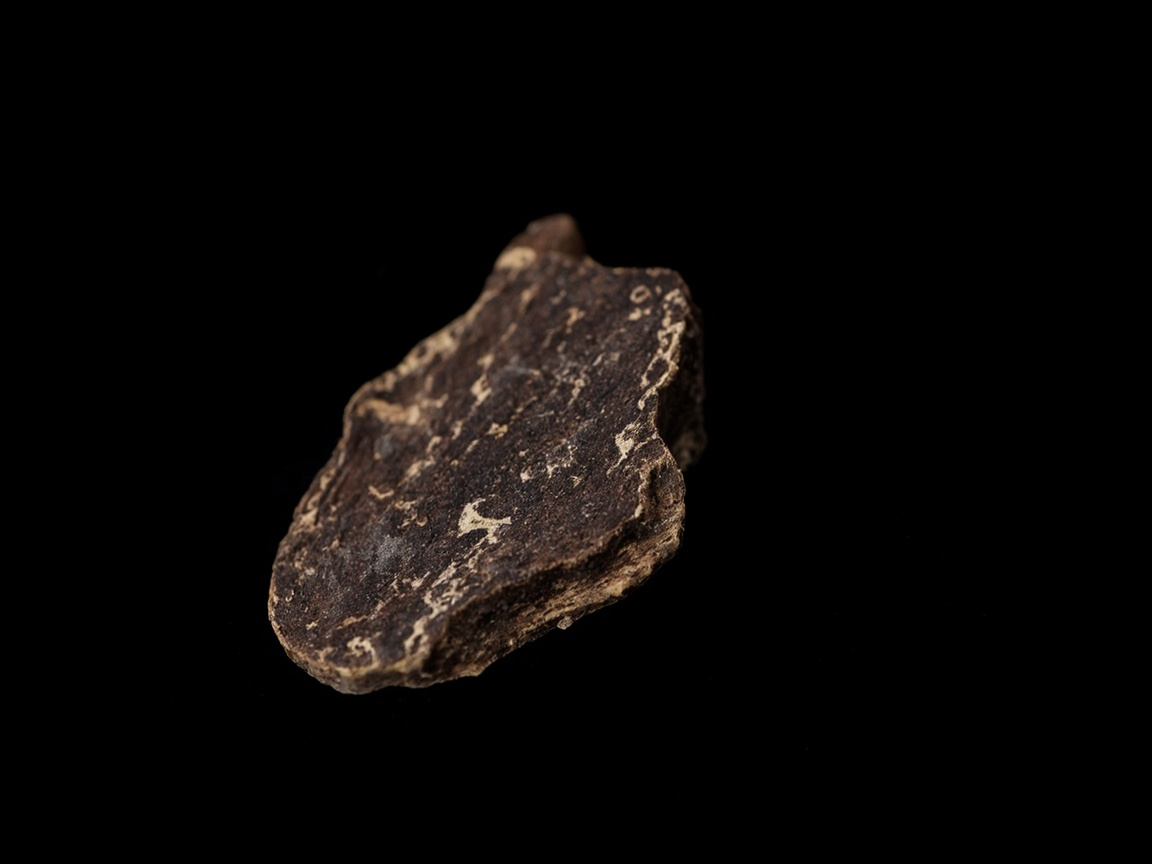
Chenxiang (沉香) – Agarwood. The resin-impregnated heartwood of Aquilaria trees that have been wounded or infected. Prized above all other materials for its complex, evolving fragrance. The word literally means “sinking fragrance” – it is so heavy it sinks in water.
Tanxiang (檀香) – Sandalwood. From Santalum species, primarily Indian Mysore and Australian. Sweet, creamy, warm. The most approachable high-quality incense material and the recommended starting point for beginners.
Ru Xiang (乳香) – Frankincense. From Boswellia species. Citrusy, piney, slightly balsamic. One of the oldest incense materials in history, imported into China via the Silk Road.
She Xiang (麝香) – Musk. Originally from the musk deer pod. Today typically synthetic due to conservation concerns. Sweet, animalic, powerful in very small quantities.
Incense Formats: Forms and Shapes
Xian Xiang (线香) – Line incense. The stick form most people recognize. Burns from the tip downward. Easiest format for beginners.
Pan Xiang (盘香) – Coil incense. Spiral-shaped incense that burns for hours. Designed for larger spaces and continuous burning. Requires a coil holder and protection from wind.
Xiang Fen (香粉) – Incense powder. Loose powder that burns on a charcoal or electric burner. Provides maximum control over burning temperature and fragrance release. The format preferred for serious practice.
Xiangle (香饼/香丸) – Incense pills and pellets. Compressed powder formed into small rounds. Burns at specific temperatures and is the format used in classical Chinese blending.
Xiang Zhuan (香篆) – Seal incense. Powder pressed into decorative patterns using a metal mold. Burns along the pattern lines. Popular in temples and for meditation.
Burning Methods: Techniques and Equipment
Direct Burning – Lighting the incense material directly with flame, as with a stick incense. The simplest method but offers less control over temperature and fragrance development.
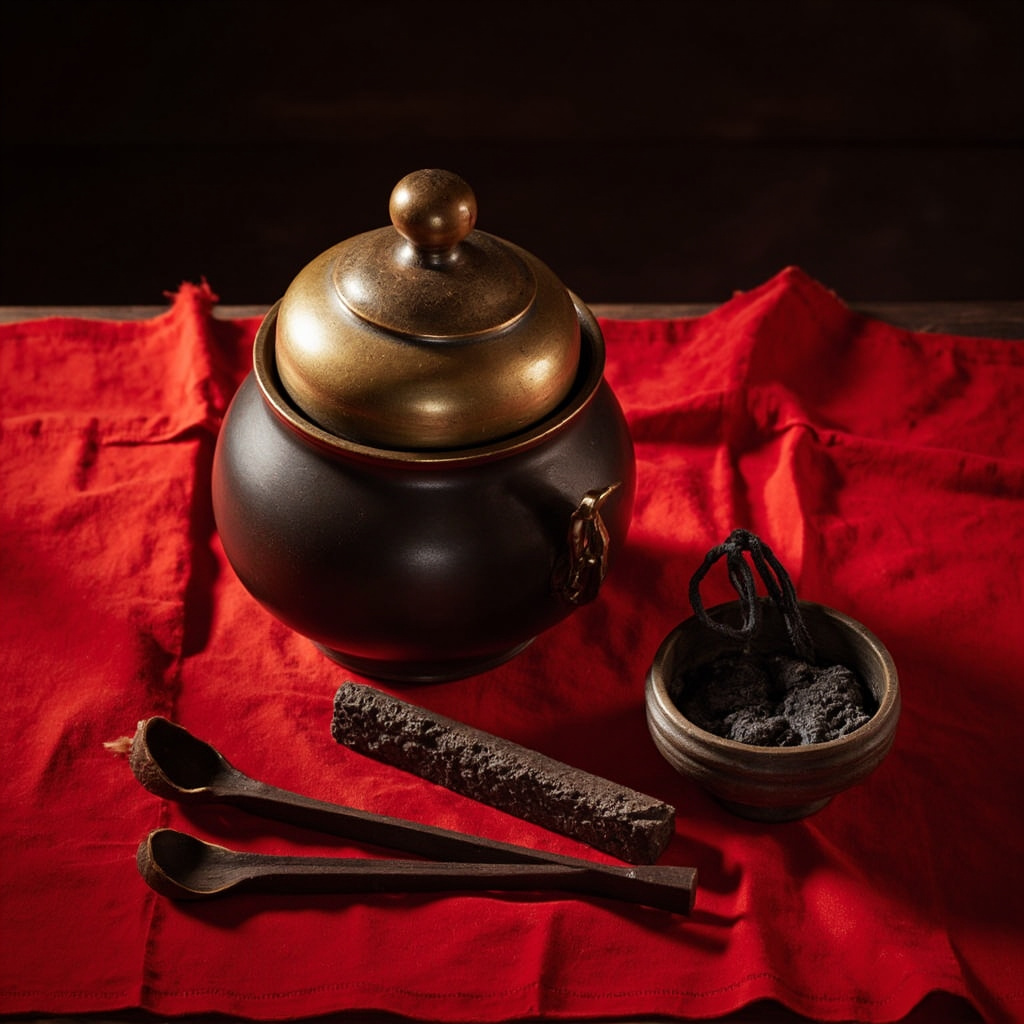
Ge Huo (隔火) – Indirect burning. Heating incense material on a surface above a charcoal or electric heat source, without direct flame contact. Produces cleaner, more nuanced fragrance. The preferred method for quality materials.
Xiang Hui (香灰) – Ash bed. A layer of fine ash in the burner that insulates the material and controls burning temperature. Essential for indirect burning and improves even direct burning of stick incense.
Tan Huo (炭火) – Charcoal fire. The traditional heat source for indirect burning. Self-igniting charcoal tablets are common today. Produces the smoke and particulate matter that can irritate airways if ventilation is poor.
Practice and Philosophy: Xiangdao Terms
Xiangdao (香道) – The Way of Fragrance. The Chinese art and philosophy of incense, encompassing burning techniques, blending practices, ceremonial protocols, and the cultivation of sensory perception. Developed primarily during the Song Dynasty by literati scholars.
Hexiang (合香) – Blended incense. The Chinese practice of combining multiple aromatic materials into formulas. A single blend might contain ten to thirty ingredients. The opposite of Japanese kodo, which focuses on single-material appreciation.
Ru Xiang (入香) – Entering the incense. The state of deep engagement with fragrance during burning. Characterized by quieted mental chatter, heightened sensory perception, and awareness of the subtle energetic effects of the material on the body.
San Jing (三静) – Three stillnesses. Classical framework for incense practice: stillness of body, stillness of breath, stillness of mind. The prerequisites for proper fragrance perception.
Quality and Sourcing: How Materials Are Graded

Qin Ban (亲班) – First harvest. Materials from the initial infection or wounding of the agarwood tree. The highest quality grade, with the richest resin saturation.
Chen Xiang (沉香) – True沉香. Genuine, natural agarwood from proper Aquilaria species. Distinguished from “light沉香” (shuiban) and imitations made from other woods.
Ye Shen (野沉) – Wild chenxiang. Harvested from wild trees rather than cultivated. Increasingly rare and expensive due to overharvesting.
Jia Se (加色) – Color-added. Materials that have been artificially colored to appear higher quality. A common adulteration technique for low-grade materials sold at premium prices.
TCM and Wellness: Health-Related Terms
An Shen (安神) – Calm the spirit. A TCM concept describing the sedating, anxiety-reducing effect of certain incense materials, particularly agarwood and certain blended formulas. Used in TCM to treat insomnia and anxiety disorders.
Xiao Bi (消痞) – Reduce stagnation. The warming, circulation-promoting effect of certain aromatics used in TCM to address digestive issues and energy blockages.
Hua Yu (化瘀) – Transform stasis. The blood-moving properties of certain incense materials, particularly frankincense and myrrh, used in TCM for pain conditions and post-injury recovery.
Qu Shi (祛湿) – Dispel dampness. The drying effect of certain incense materials used in TCM to address conditions of excess moisture in the body – bloating, joint pain, foggy thinking.
Related Articles
- The Big Four: Agarwood, Sandalwood, Ambergris, Musk
- Hexiang: The Chinese Art of Blended Incense
- What Is Xiangdao? A Complete Beginner Guide
Frequently Asked Questions
What is the difference between xiangdao and kodo?
Xiangdao (香道) is the Chinese Way of Fragrance, emphasizing hexiang (blended incense) and the art of composing complex formulas. Kodo (香道 in Japanese) is the Japanese Way of Fragrance, focusing on monochromatic appreciation of single high-quality woods, primarily agarwood. Both traditions share Buddhist origins but developed in different directions – Chinese toward complexity and blending, Japanese toward purity and singular perception.
What does “hexiang” mean?
Hexiang (合香) literally means “combined fragrance” or “blended incense.” It refers to the Chinese practice of creating incense formulas by combining multiple aromatic materials – woods, resins, herbs, flowers – in specific ratios. The goal is not simply a pleasant smell but a layered, evolving fragrance that develops complexity as it burns. Classical hexiang formulas might contain anywhere from three to over thirty ingredients.
What is “indirect burning” or ge huo?
Ge huo (隔火) means “separated fire” – burning incense on a surface above a heat source rather than with direct flame. The incense material never touches the flame; it is heated by conduction and convection. This produces cleaner, more nuanced fragrance because combustion byproducts from direct flame contact are eliminated. Serious practitioners prefer indirect burning for quality materials because it reveals subtle fragrance notes that direct burning destroys.