Walking into your first incense shop – or scrolling through your first online vendor – is overwhelming. Dozens of materials, dozens of prices, dozens of claims. How do you choose? This guide cuts through the noise and gives you a practical framework for selecting your first real incense without wasting money.
Step 1: Start With Sandalwood, Not Agarwood
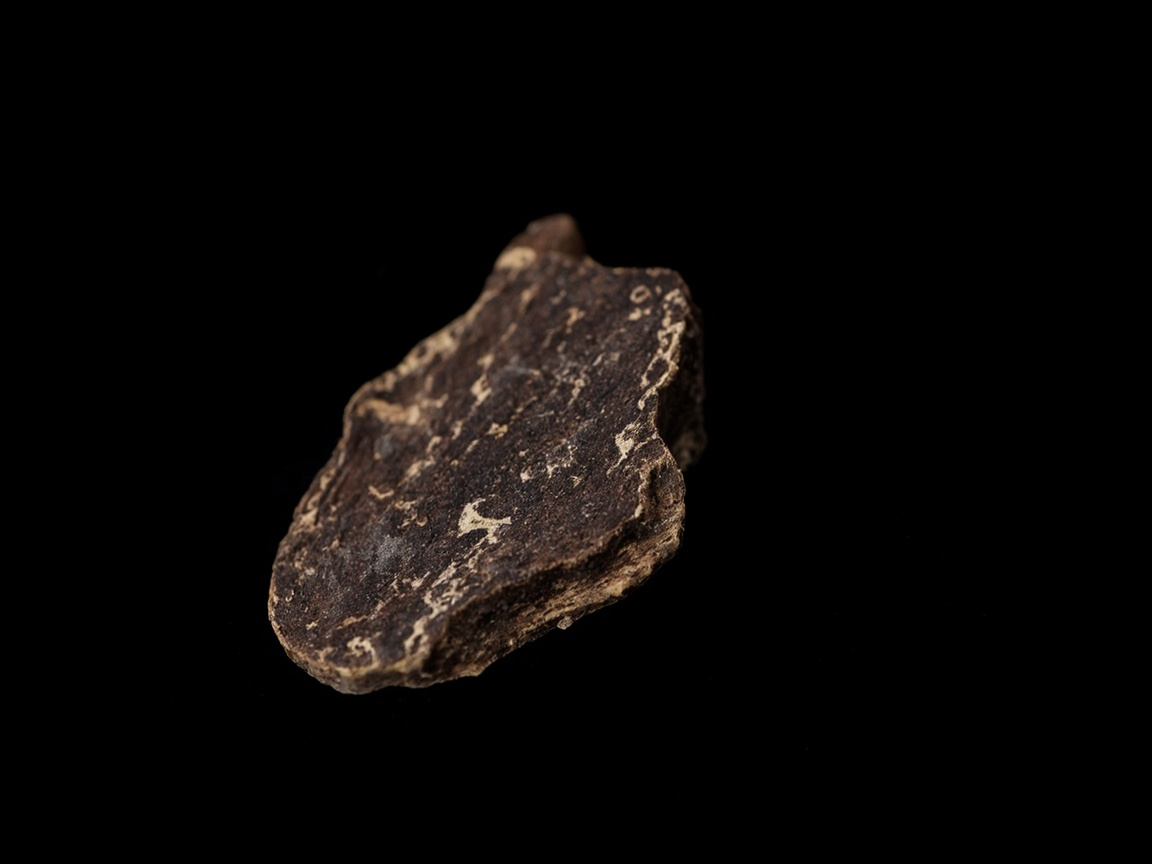
Your first instinct might be to go straight for agarwood (chenxiang) – it is the most famous, most expensive, most prized material. Do not start there. Agarwood requires a developed palate to appreciate properly. Without reference points, you will not understand what you are smelling, and the expensive purchase will be wasted.
Start with sandalwood. Indian Mysore sandalwood or Australian sandalwood provides a clear, sweet, creamy fragrance that is immediately recognizable and deeply pleasant. It teaches your nose what good burning smells like at a fraction of the cost of premium agarwood.
Step 2: Choose Your Incense Format
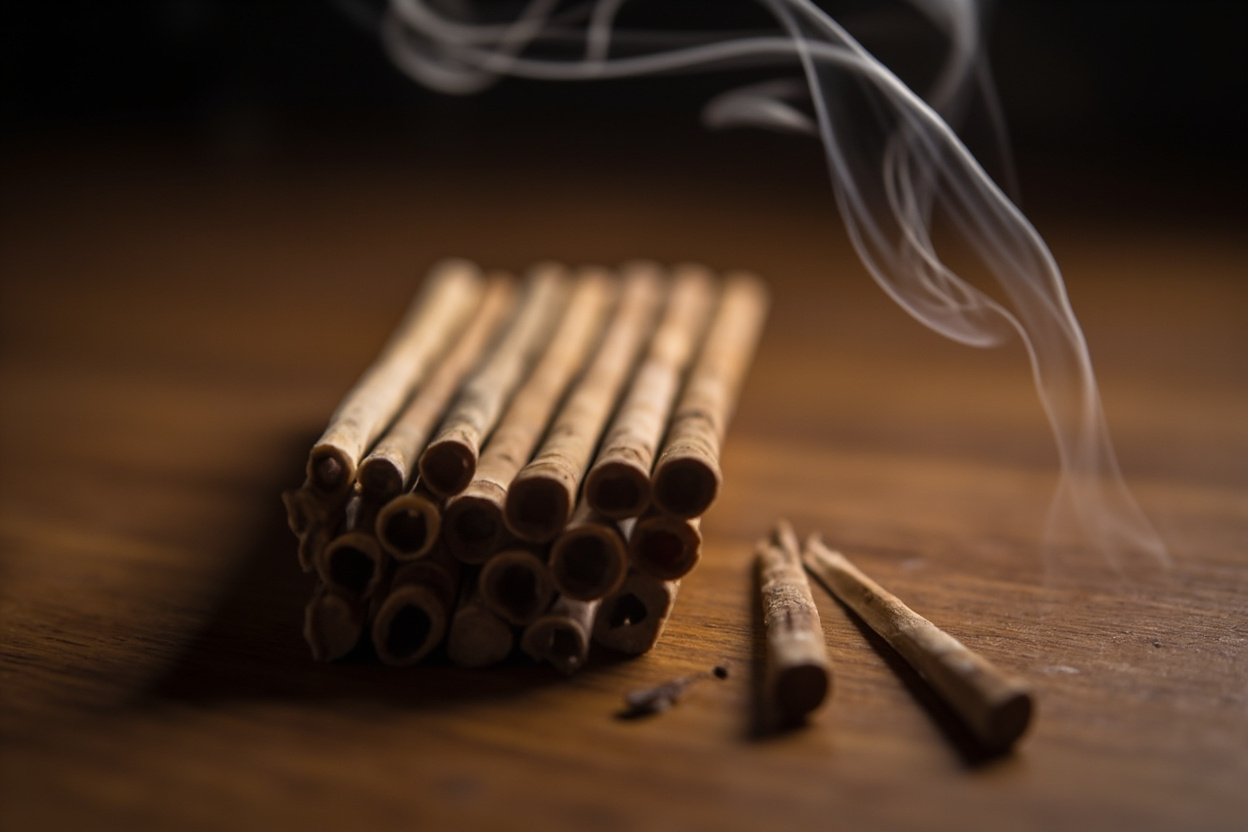
Incense comes in multiple formats: sticks (线香), coils (盘香), powders (香粉), and raw materials (香材). Each has a different use case:
Sticks are the easiest for beginners – light the tip, let it burn, place in a holder. They are portable, require no equipment, and work in any space. This is where everyone starts.
Coils burn longer and are better for larger spaces. They are common in temples and outdoors but require a coil holder and wind protection outdoors.
Powders offer the most control and are the preferred format for serious practice, but require additional equipment (charcoal, ash bed, accessories) and technique. Do not start here.
Step 3: Find a Reputable Vendor
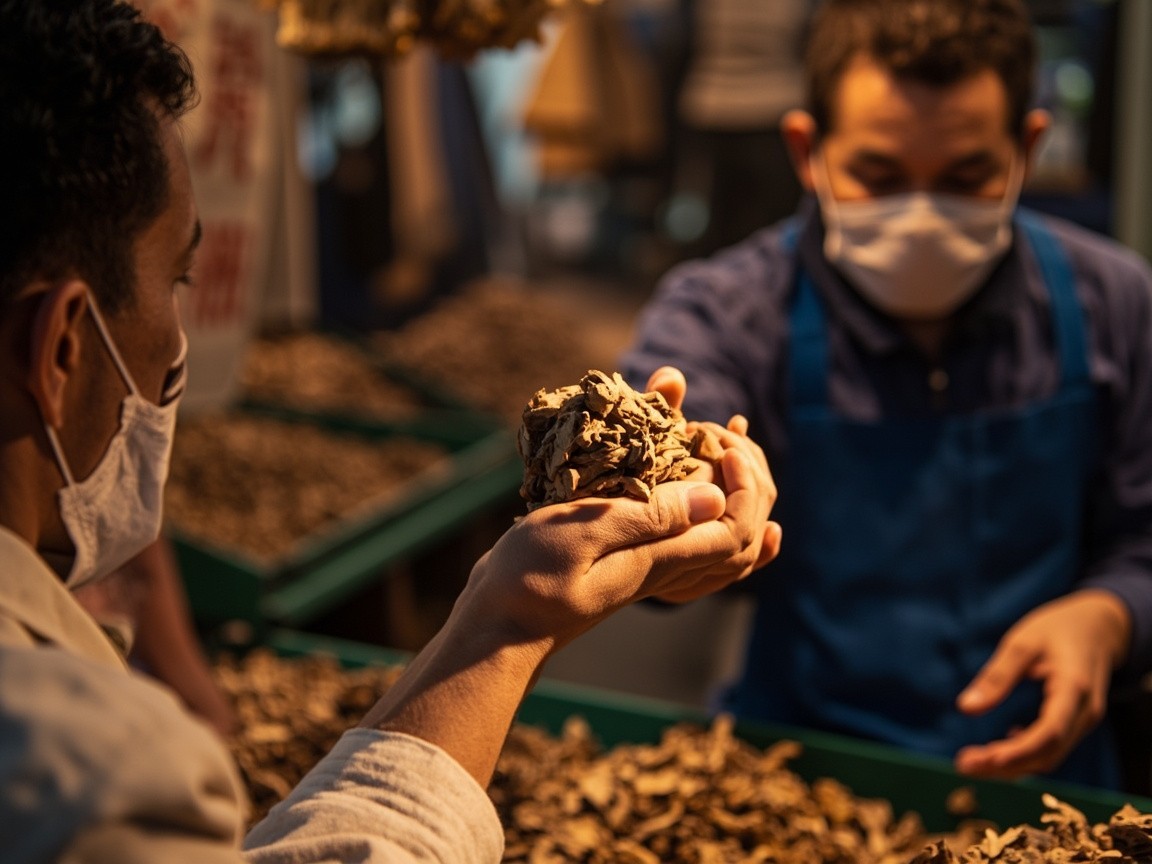
Counterfeit incense is endemic, particularly at the premium end of the market. Any vendor selling “100% pure agarwood” at low prices is lying. Before buying:
Look for vendors who test their materials. Any serious seller will have testing documentation or at minimum clear sourcing information. Avoid vendors with stock photos that look too perfect or prices that seem impossible.
Buy small quantities first. Purchase one or two sticks or a small sample of chips before committing to larger quantities. Test your materials carefully before investing.
Step 4: Test One Material at a Time
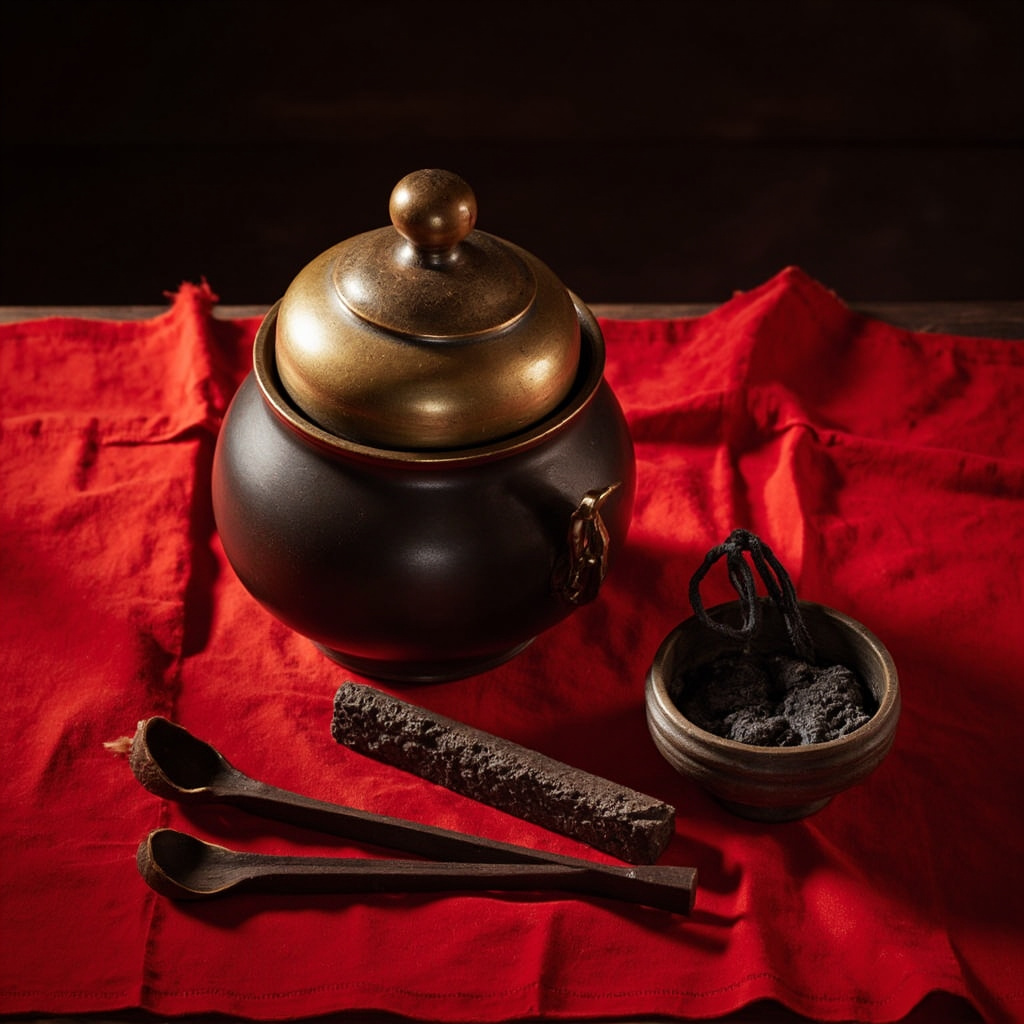
Resist the temptation to burn multiple materials together or to create blends immediately. Each material has its own character, and mixing before you understand individual profiles creates confusion rather than insight.
Your first month of practice: burn one type of stick at a time. Spend a full session with just sandalwood. Notice how the fragrance changes from the first moment to the last ash. Then move to the next material.
Step 5: Build Your Starter Kit
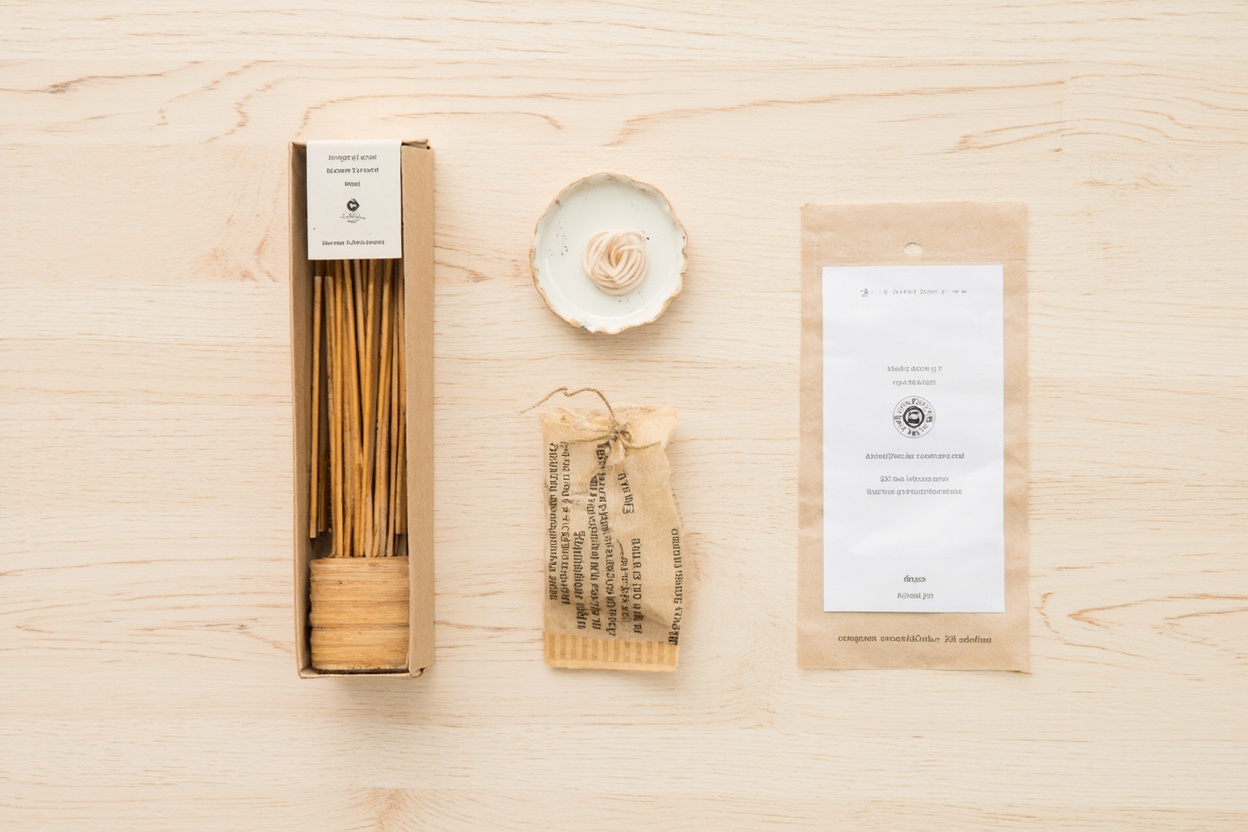
A proper starter kit does not need to be expensive. What you actually need:
A small ceramic or bronze burner suitable for your space. An ash bed (香灰) – even a small dish works. A box of line incense from a reputable vendor. A charcoal burner if you want to explore powders later.
Do not buy elaborate holders, decorative burners, or expensive accessories until you know you will stick with the practice. Most beginners who quit in the first month bought too much equipment upfront.
Related Articles
- The Big Four: Agarwood, Sandalwood, Ambergris, Musk
- Best Incense Starter Kit Under $50 (Complete Guide 2026)
- How to Spot Fake Agarwood: The 5 Tests That Actually Work
Frequently Asked Questions
What is the best incense for complete beginners?
Indian sandalwood sticks are the best starting material for beginners. They are widely available, affordable, immediately pleasant, and teach foundational fragrance recognition without the complexity of blended formulas or the subtlety of premium agarwood. Avoid anything labeled “budget luxury” or “premium starter” – these are often low-quality materials with added fragrance oils.
How much should I spend on my first incense?
For your first purchase, spend no more than $20-30 on samples from a reputable vendor. This lets you try multiple materials without commitment. If you enjoy the practice and want to continue, invest in a proper starter kit ($30-50) and a small quantity of quality materials. Most serious practitioners spend $50-100 on initial setup and $20-40 monthly on materials.
Can I practice xiangdao with only incense sticks?
Yes. While serious xiangdao practice eventually incorporates powders, charcoal, and precise temperature control, you can develop genuine appreciation and practice mindfulness through stick incense alone. Many practitioners who began with sticks continue to use them exclusively. The format is less important than the attention you bring to burning.