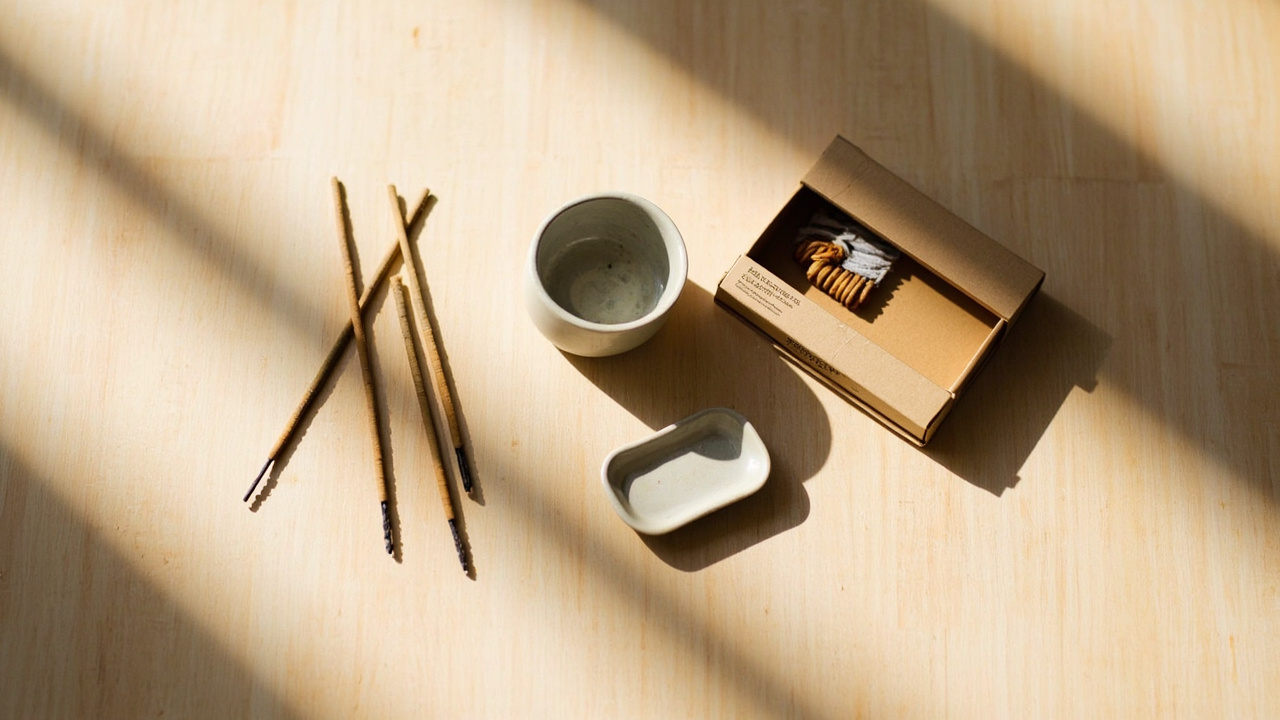
Everyone who starts with Chinese incense makes the same mistakes. Some waste money on fake materials. Others miss the point entirely by burning incense like air freshener. Here are the five most common errors beginners make – and how to avoid them.
Mistake 1: Burning Too Much Incense at Once
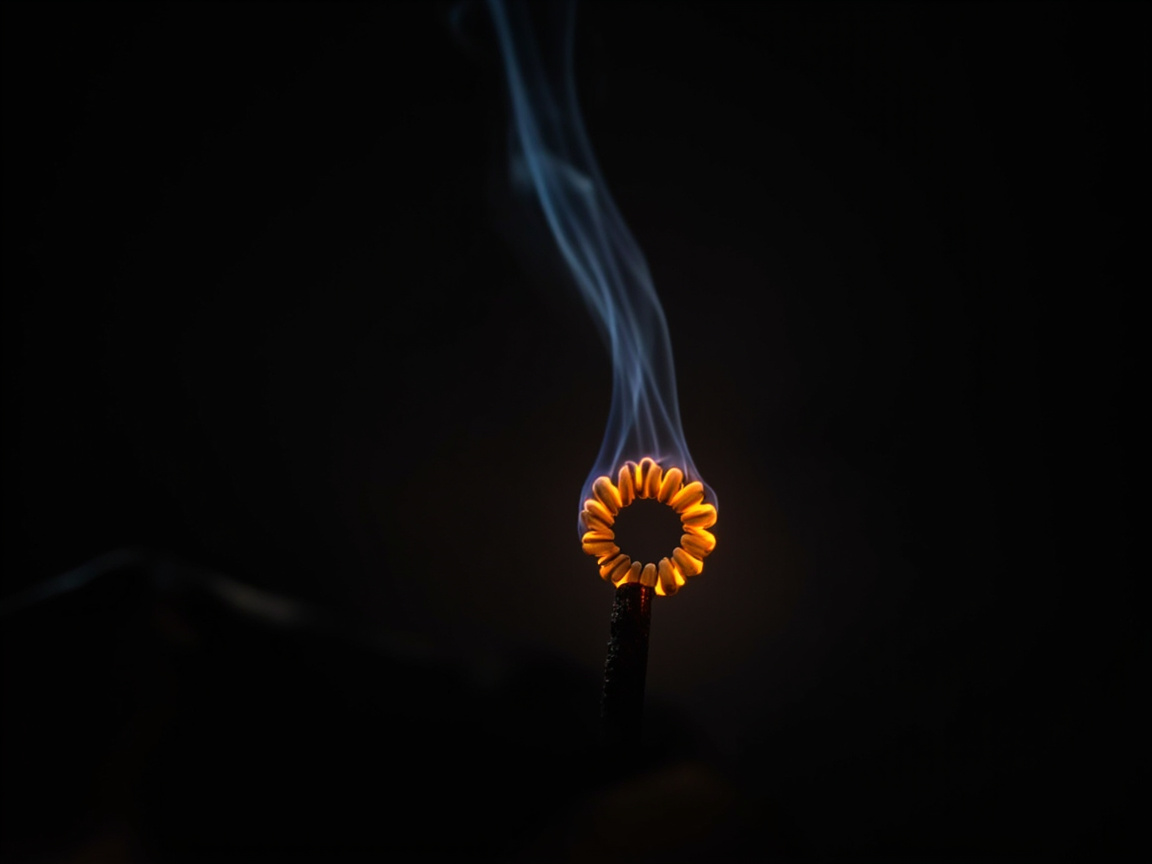
New practitioners often light an entire stick or coil and walk away, expecting the room to fill with fragrance automatically. This is not how Chinese incense works. Quality agarwood and blended incense release their best notes at specific temperatures – too much material at once creates smoke, not fragrance.
The right approach: start with a small piece or half a stick. Let it burn slowly. Pay attention to how the scent changes over five, ten, twenty minutes. Less is more with quality incense.
Mistake 2: Using the Wrong Burner for Your Space
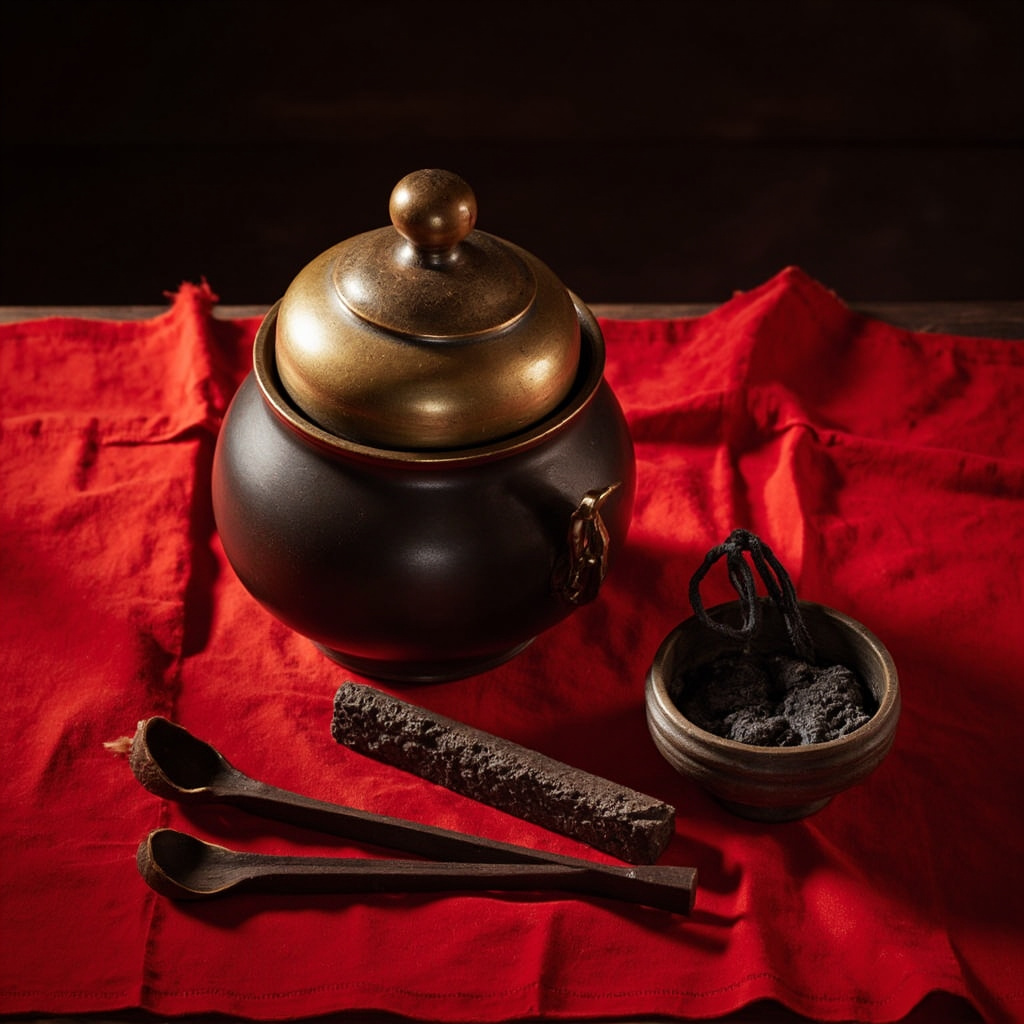
Not all burners work in all spaces. A large tripod brazier outdoors produces beautiful smoke clouds, but indoors it overwhelms. A small desktop burner works for personal practice but cannot fill a room. Beginners buy one burner and try to use it everywhere.
The fix: match your burner to your space. Small rooms need smaller burners with shallow ash beds. Large rooms or outdoor spaces can handle bigger setups. As a rule: if the smoke bothers your eyes, you have too much burner for the space.
Mistake 3: Buying Without Verifying Authenticity
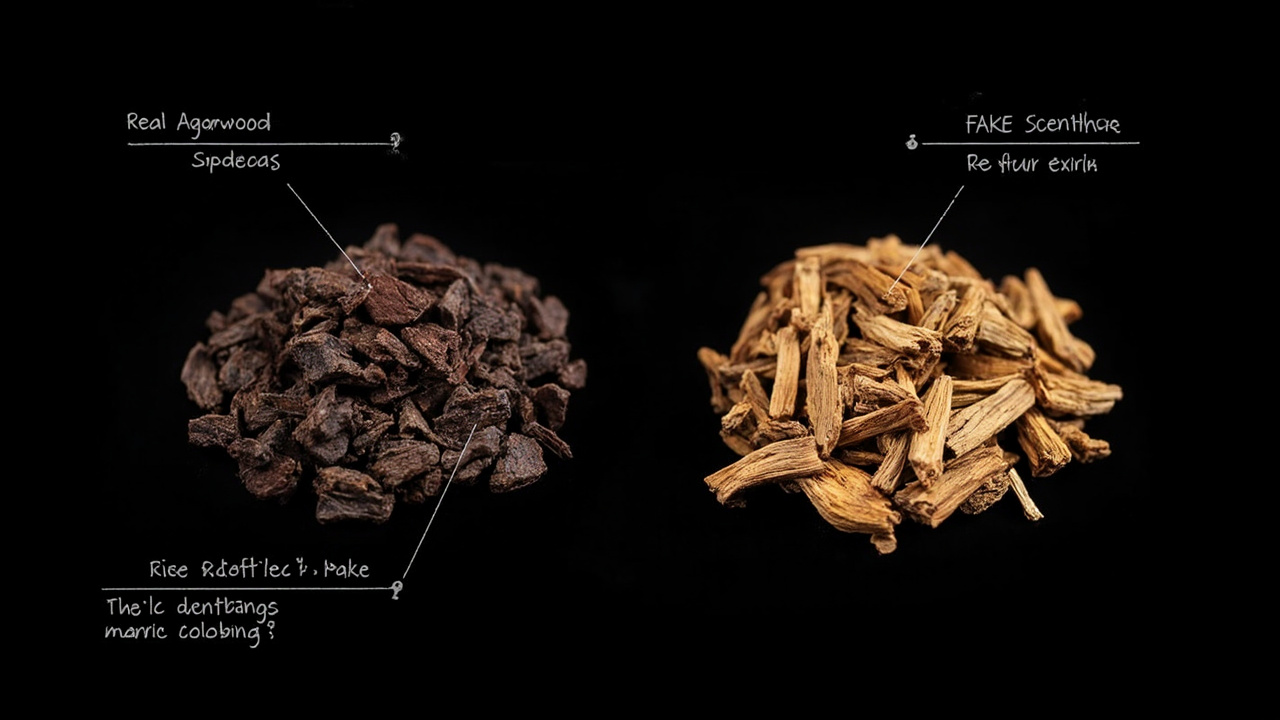
Agarwood is the most counterfeited incense material in the world. Fake agarwood ranges from simple fragrance oils on sawdust to elaborate “cultured” products that look real but contain none of the actual bioactive compounds. Beginners cannot tell the difference and often pay premium prices for nothing.
Before buying expensive materials: learn the water test (real agarwood sinks), study the grain patterns of genuine pieces, and start with small quantities from reputable sources. If a deal seems too good to be true on agarwood, it is.
Mistake 4: Skipping the Ash Bed
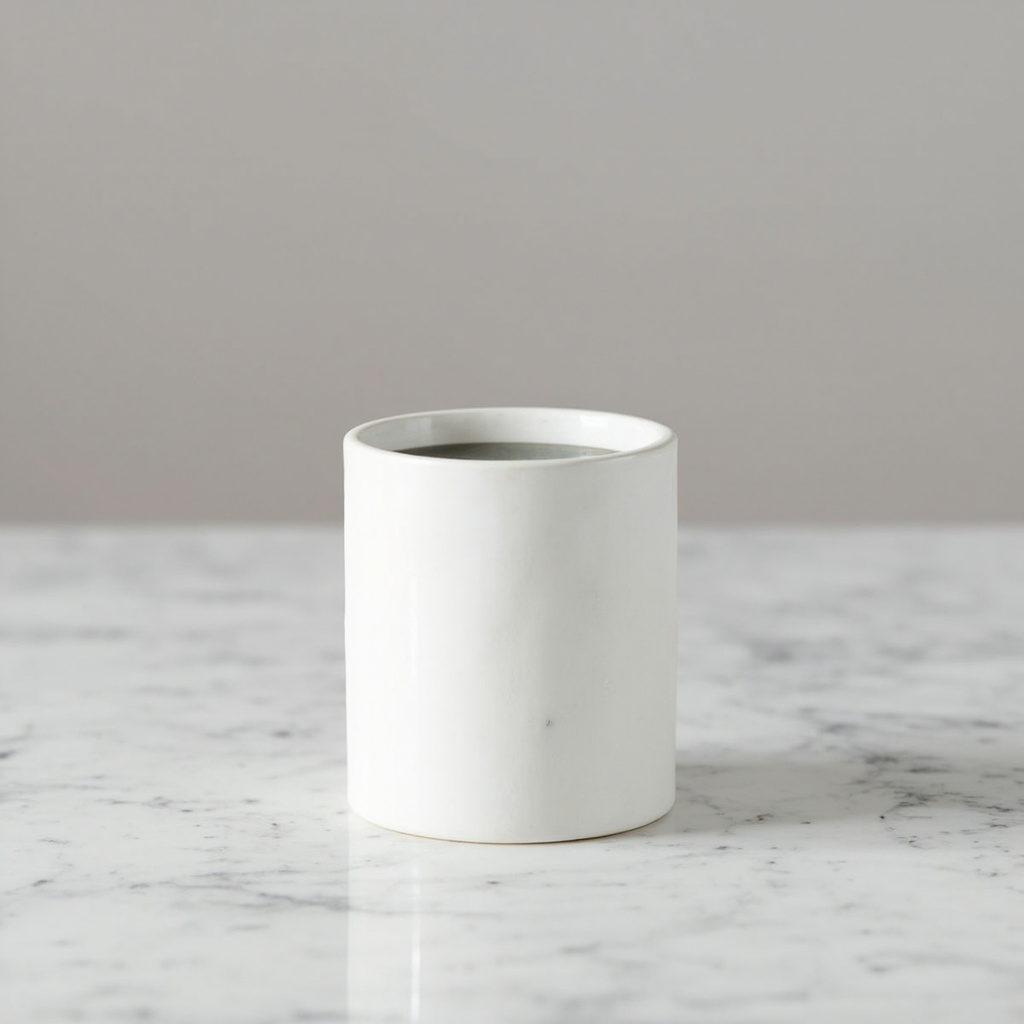
Modern beginners often place incense directly on modern ceramic burners without any ash underneath. This changes the burning temperature, affects the fragrance profile, and can damage both the incense and the burner. Classical xiangdao always uses an ash bed (香灰) as the primary burning surface.
The ash bed serves multiple functions: it insulates the material at the correct temperature, absorbs moisture from the incense, and makes cleanup trivial. Always use a proper ash bed, even if it means adding a small dish of ash to a modern burner.
Mistake 5: Ignoring Ventilation
Incense needs airflow to work properly. Beginners often burn incense in closed rooms hoping the fragrance will build up and intensify. The opposite happens: without circulation, the smoke stagnates, becomes acrid, and loses its subtlety. The scent you smell in a stagnant room is smoke, not fragrance.
Proper ventilation does not mean a draft – it means gentle air movement. A cracked window, a door slightly open, a small fan pointed away from the burner. The goal is fresh air mixing with the fragrance, not replacing it.
How to Practice Right From the Start
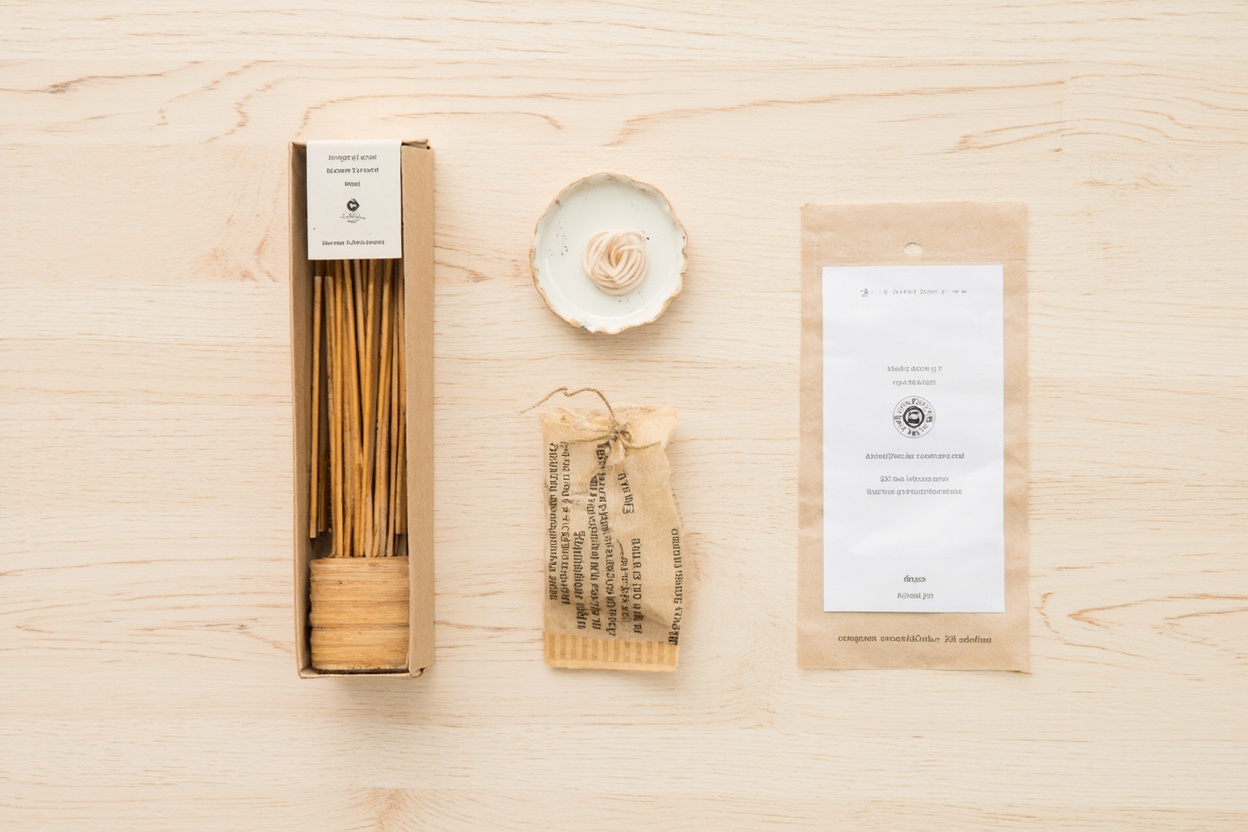
Avoiding these five mistakes immediately elevates your practice above most beginners. Use less incense, match your burner to your space, verify materials before paying premium prices, always use an ash bed, and ensure gentle ventilation. These five rules alone will transform your experience of Chinese incense from generic air freshener to genuine xiangdao practice.
If you are just starting, our complete beginner guide covers everything you need to build a proper practice from scratch.
Related Articles
- Xiangdao for Complete Beginners: Your 7-Day Starter Plan
- The Big Four: Agarwood, Sandalwood, Ambergris, Musk
- How to Spot Fake Agarwood: The 5 Tests That Actually Work
Frequently Asked Questions
How much incense should a beginner use?
Start with much less than you think you need. A single stick or a small piece of material (0.1-0.2 grams) is enough for personal practice in a small room. Quality incense is concentrated – you want subtle perception, not overwhelming fragrance. Increase quantity only after you learn what good burning smells like at proper dosage.
What is the water test for agarwood?
Real agarwood has enough density from its resin saturation that it sinks in water, while fake agarwood (light wood or fragrance-soaked materials) typically floats. This is not foolproof – some heavily resinous pieces can be waterlogged and sink for other reasons, and some very light authentic pieces might float briefly – but as a quick field test, sinking strongly suggests genuine high-quality agarwood.
Do I need expensive equipment to practice xiangdao?
No. You need a heat-resistant burner, ash, and quality incense materials. Everything else – elaborate holders, decorative burners, specific tools – is optional refinement. Many serious practitioners use a simple ceramic dish, a layer of ash, and a piece of charcoal. The practice is about attention and quality of perception, not equipment.