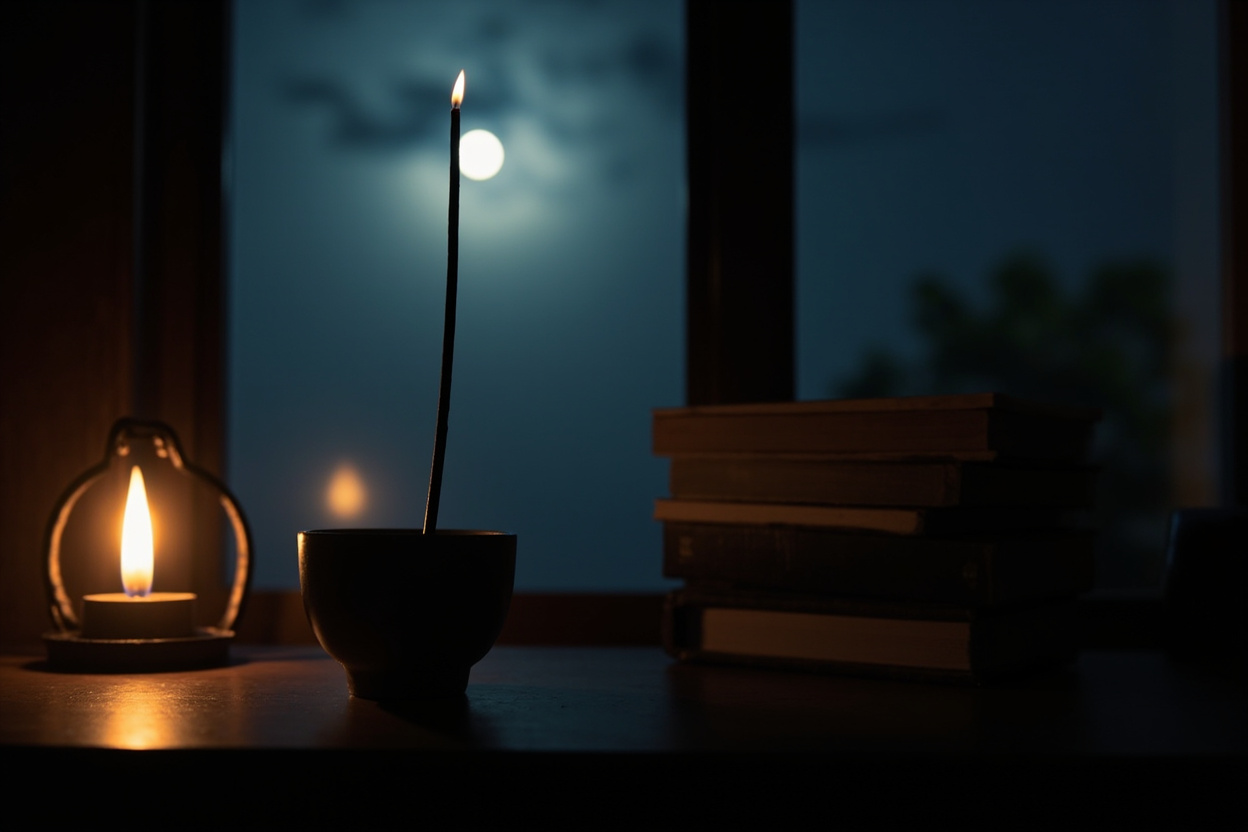
In xiangdao, the Chinese art of incense, the word jing (静) appears constantly. But it is never alone. Practitioners speak of three jing – still mind, refined senses, and vital essence. These three interweave to create what the classical texts call the complete incense experience. Here is how the philosophy works – and why it matters for your practice.
Stillness: The Foundation of Incense (First Jing)
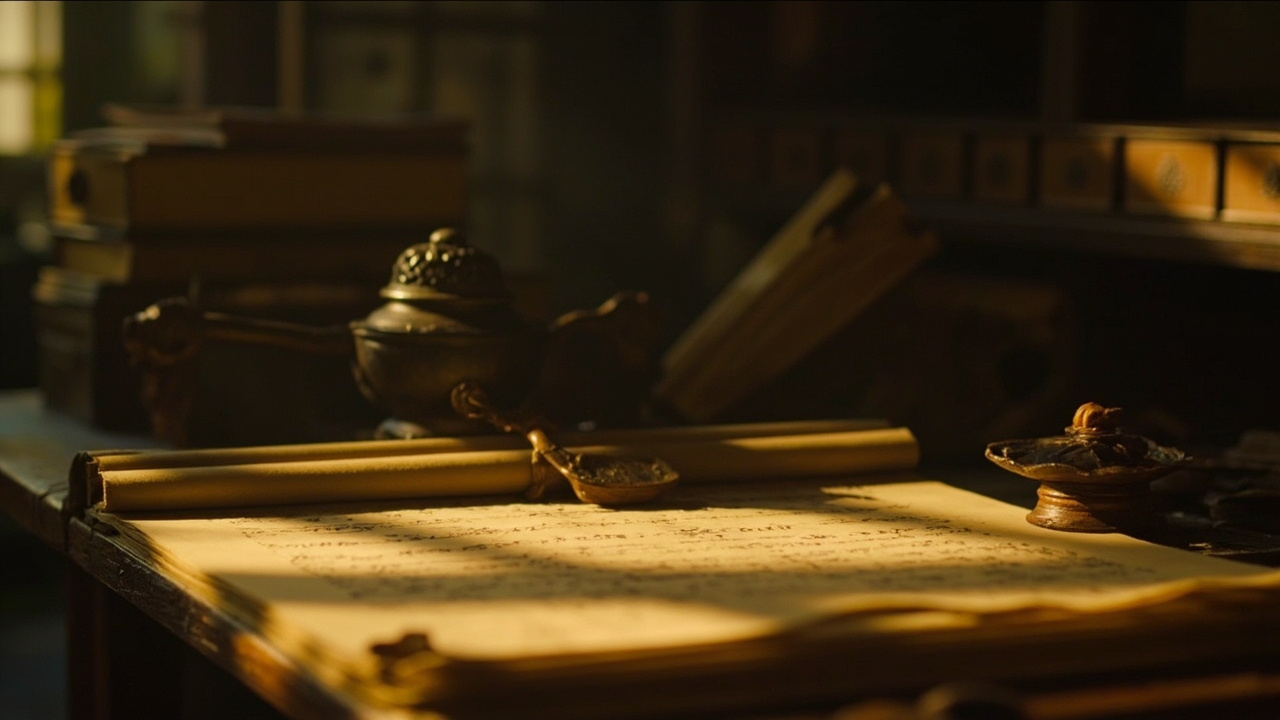
The first requirement in xiangdao is jing – stillness. Not the absence of thought, but the quieting of mental chatter. When the mind is agitated, it cannot perceive fragrance properly. The scent passes through the nervous system unprocessed, neither appreciated nor remembered.
Classical texts describe this as preparing the space before lighting the incense. The room should be clean. The lighting should be soft. The practitioner should sit upright, breathe slowly, and allow the body to settle. Only then does the incense bring benefit.
This is why xiangdao is practiced, not merely observed. The stillness is not about the incense – it is about what the incense creates: a space for attention.
Sensitivity: Refining the Senses (Second Jing)
Once stillness is established, the second jing becomes possible: the refinement of sensory perception. Chinese medicine describes the sense of smell as connected directly to the shen (spirit) and the emotional centers of the brain. When smell is dull, emotional processing becomes crude. When smell is refined, subtle emotional states become perceptible.
Incense practitioners speak of detecting dozens of distinct notes in a single blend – top notes that appear and vanish, middle notes that develop over minutes, base notes that linger for hours. This discrimination is not innate. It is trained through practice.
The second jing is the training of the nose to become an instrument capable of perceiving what most people miss.
Essence: The Vital Energy of Fragrance (Third Jing)
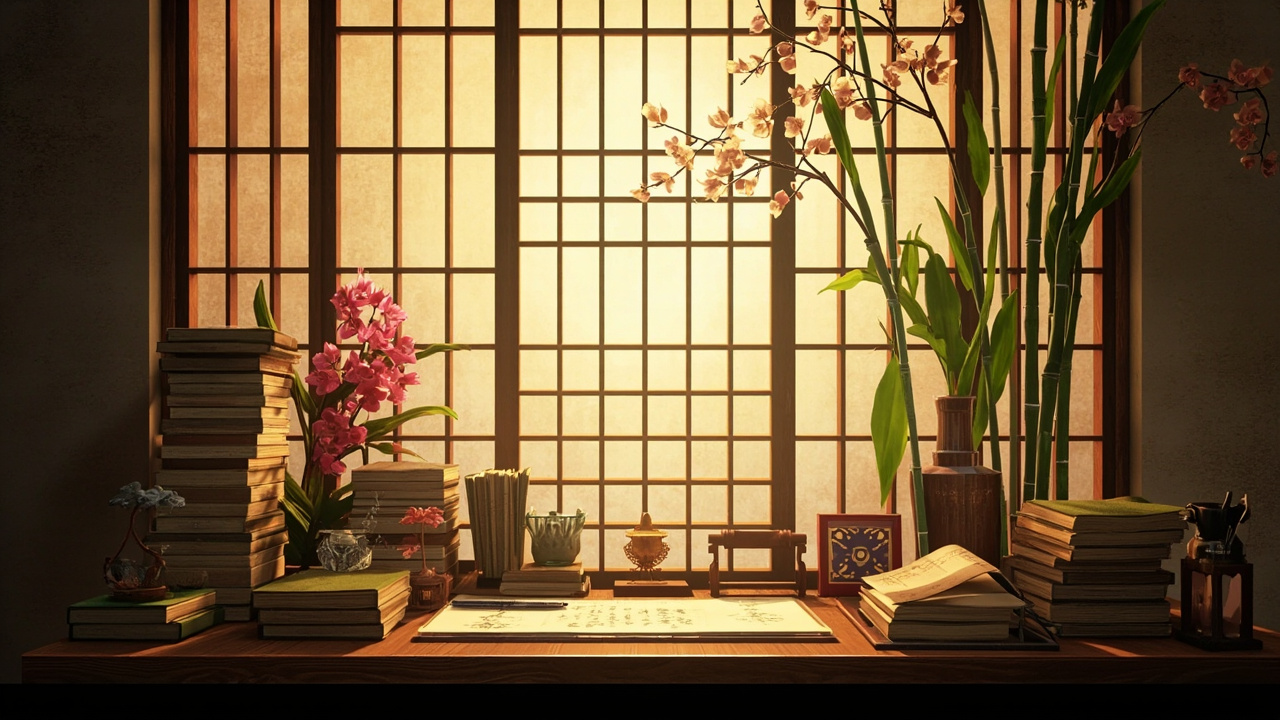
Beyond stillness and sensitivity lies the most subtle level: the vital energetic effect of incense on the body. TCM theory describes how different aromatics affect different organ systems – sandalwood calms the heart, agarwood steadies the kidney qi, chrysanthemum clears liver fire.
The third jing (sometimes written qi, 气) refers to this energetic dimension. A properly selected incense does not merely smell pleasant; it shifts the practitioners physical and emotional state in measurable ways. Sleep becomes sounder. Focus becomes deeper. Anxiety releases.
Classical texts document specific formulas for specific states: certain blends for meditation, different blends for scholarly work, different blends for evening rest. This is not superstition. It is the empirical observation of how aromatic molecules interact with human biochemistry through the olfactory system directly into the limbic brain.
The Three Jings as One Practice
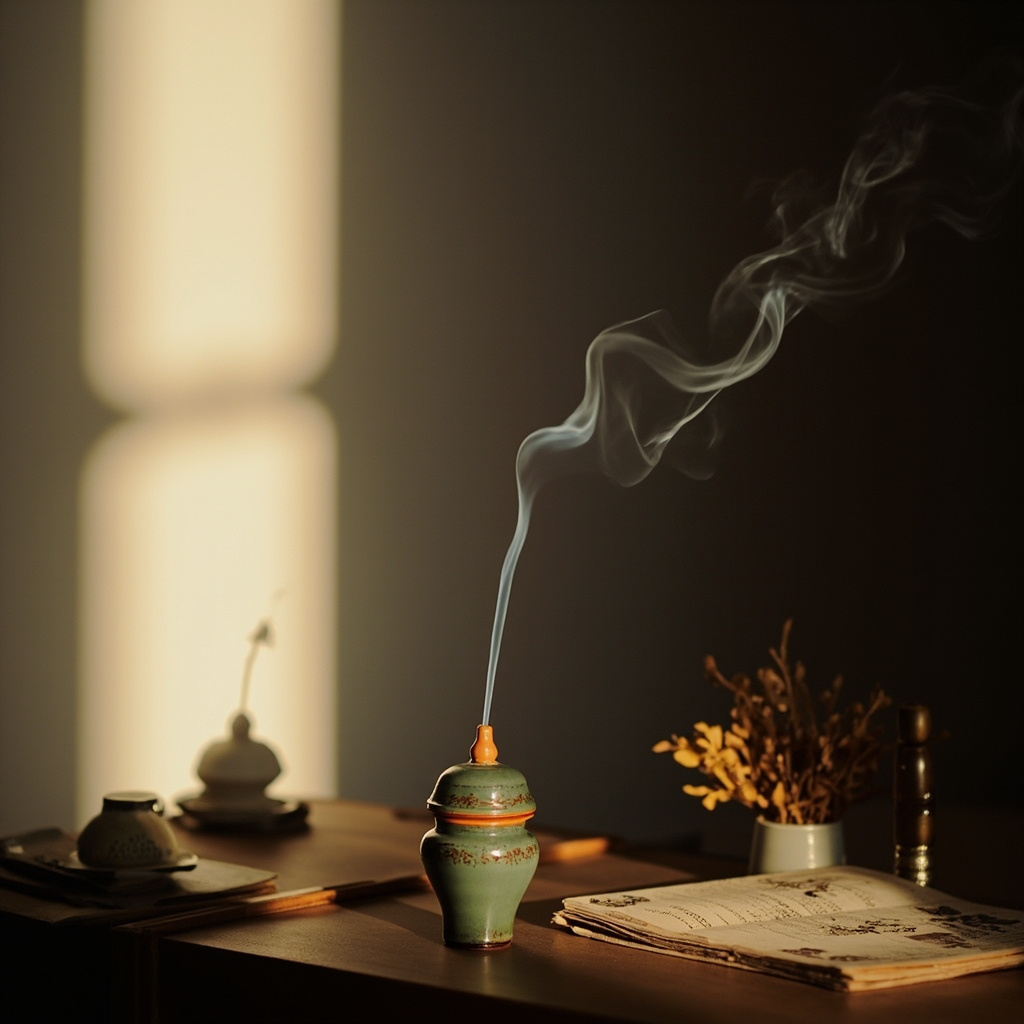
In practice, the three jings do not occur sequentially. They merge into a single experience that unfolds over minutes. The stillness opens the senses. The senses perceive the essence. The essence alters the stillness. Each amplifies the others.
Song Dynasty practitioners described this as entering the incense chamber (入香室). The moment of entry is characterized by the simultaneous quieting of discursive thought, the heightened perception of fragrance notes, and the felt sense of the aromatics working on the body. This is xiangdao at its deepest level.
Most practitioners do not achieve this regularly – and classical teachers warned against forcing it. The goal is not to chase the experience, but to prepare the conditions and allow it to arise naturally when the incense, the practitioner, and the moment are aligned.
Applying the Three Jings Today
Modern practitioners do not need to adopt the full ritual apparatus of classical xiangdao. The three jings can be applied to any incense practice – even simply lighting a stick in a quiet room.
The first step is always preparation: creating a space where you will not be disturbed. Phone silenced. Soft lighting. A few moments of sitting before you light the incense.
The second step is attention: actually noticing what happens as the fragrance develops. Not thinking about it, not analyzing it, just noticing.
The third step is patience: allowing the experience to unfold at its own pace, without expectation or agenda.
These three steps, practiced consistently, begin to train the mind and senses in the way classical xiangdao was meant to be practiced.
Related Articles
- What Is Xiangdao? Understanding the Way of Fragrance
- Chinese vs Japanese Incense: Kodo vs Xiangdao
- Hexiang: The Chinese Art of Blended Incense
Frequently Asked Questions
What does jing mean in xiangdao?
In xiangdao, jing (静) primarily means stillness or quietude – the quieting of mental agitation that allows proper perception of fragrance. Classical texts also distinguish three types: stillness of mind (心静), refinement of senses (精), and vital essence (炁). Together these three form the complete incense experience described in Song Dynasty texts.
Do I need formal training to practice xiangdao?
No. While classical xiangdao was taught in formal lineages with years of training, the core practices – creating stillness, refining attention, noticing subtle sensory qualities – can be developed independently. Start with a clean space, good quality incense, and consistent attention during burning. The depth of practice develops naturally over time.
What is the difference between xiangdao and Western incense use?
Western incense use tends to focus on fragrance as ambient enhancement – pleasant smells to mask odors or create atmosphere. Xiangdao uses fragrance as an object of attention and a tool for modifying consciousness. The Western approach treats incense as decoration; xiangdao treats it as practice. Both are valid, but they serve fundamentally different purposes.