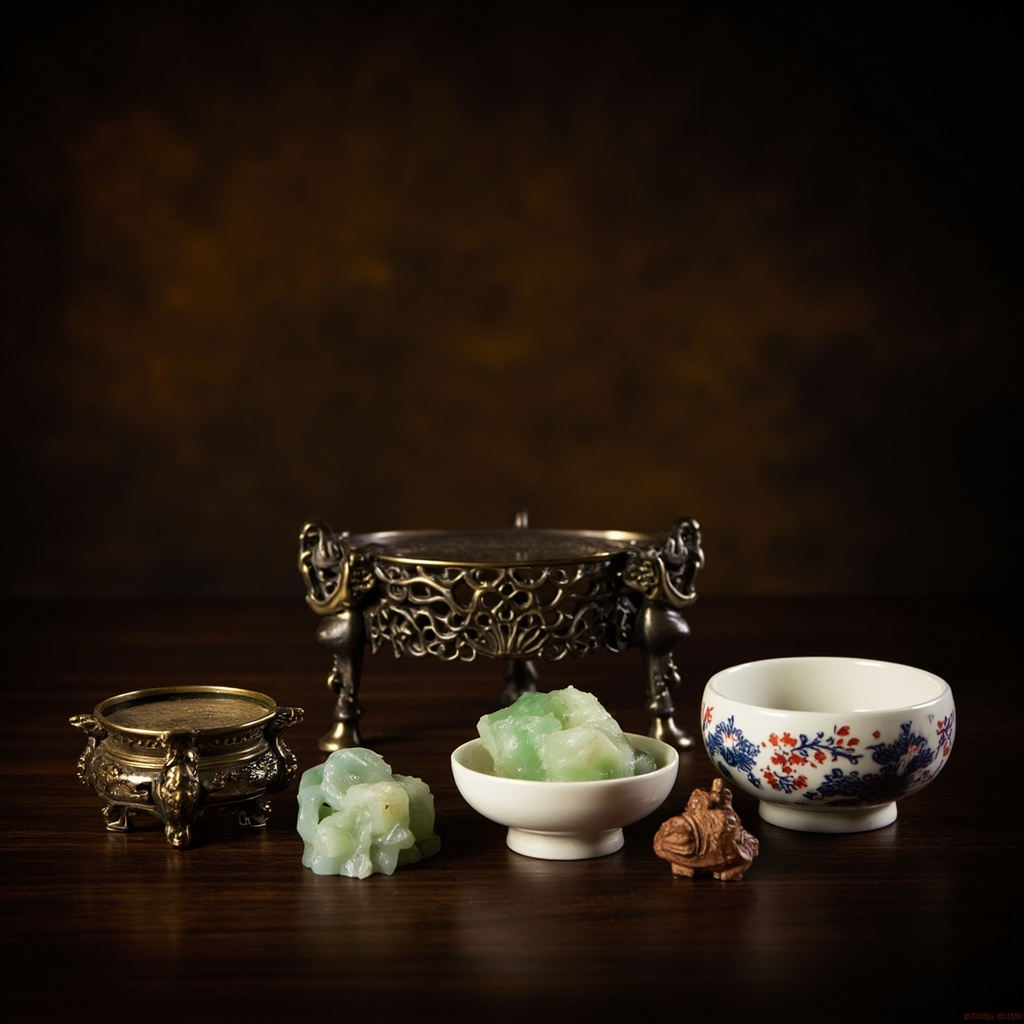
The censer sits at the center of your practice. You look at it before you begin. You return to it when you finish. Between sessions, it is the object that marks this space as different from any other space in your home. In Chinese, this object has a specific name: 香炉 (xianglu), the incense vessel. And the choice of which one to use is one of the most personal decisions in the practice.
What Makes an Incense Burner
At its most fundamental, an incense burner is a container for combustion. It holds the charcoal, the ash, the incense. It contains heat. It allows airflow. It is, at its core, a very simple technology.
But a xianglu is more than its function. In the Chinese tradition, the burner is a sculptural object with centuries of accumulated design language. The shape of the feet, the curve of the handles, the texture of the surface – all of these carry meaning. A tripod censer with dragon handles speaks differently than a simple wide-mouthed bowl. Neither is correct. Both are legitimate.
Types of Chinese Incense Burners
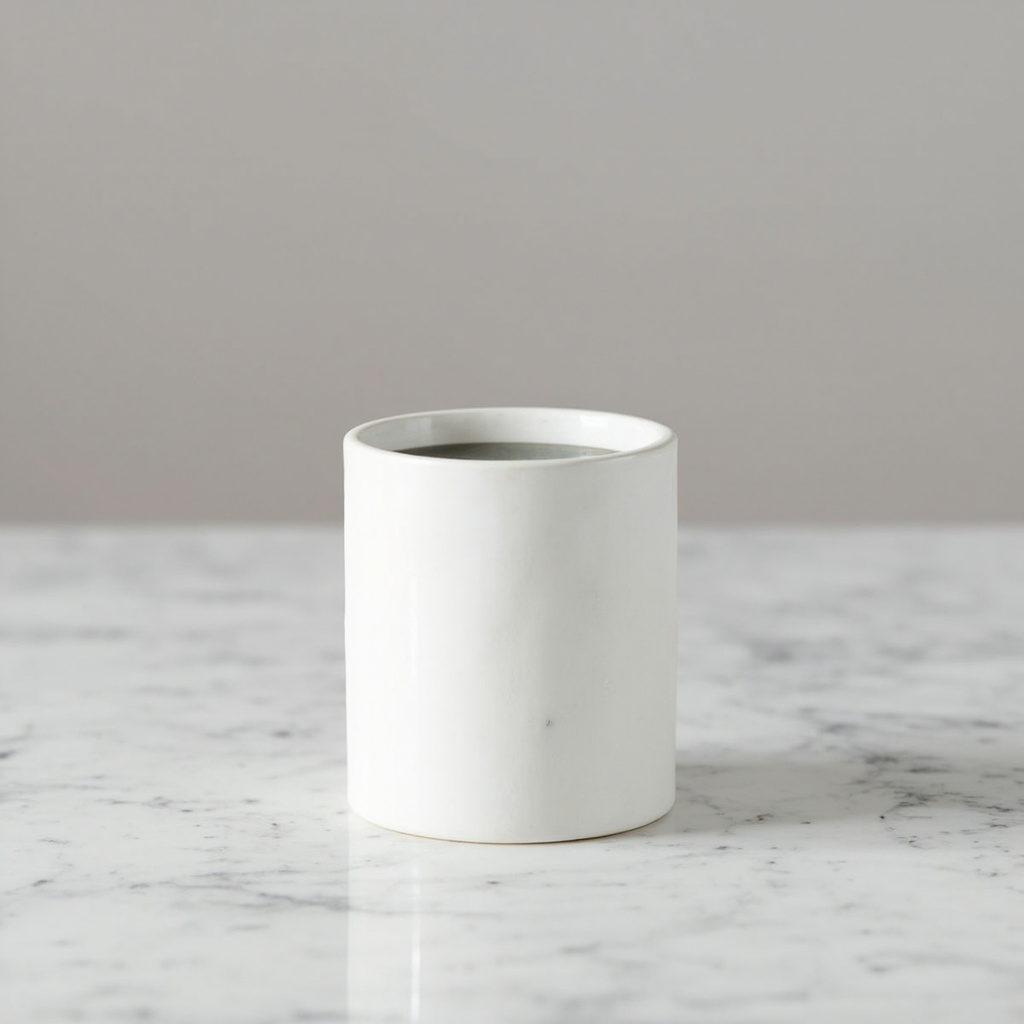
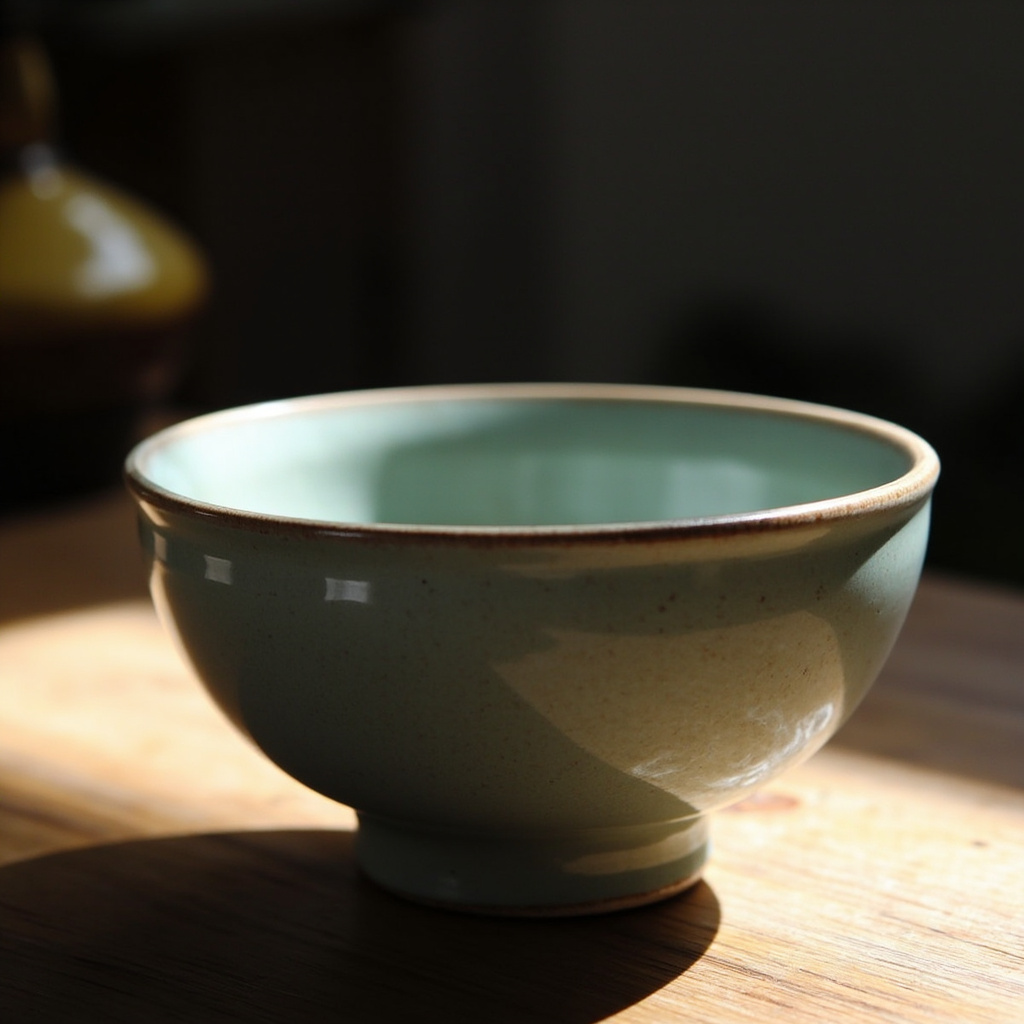
The Bowl Censer (钵式炉): The most versatile and accessible form. A simple hemispherical bowl on a flat base or three small feet. Wide opening, moderate depth. Suitable for direct burning of stick, coil, and powdered incense. The bowl form is easy to clean, durable, and appropriate for both beginners and experienced practitioners. Materials range from粗糙灰陶 to glazed porcelain to brass.
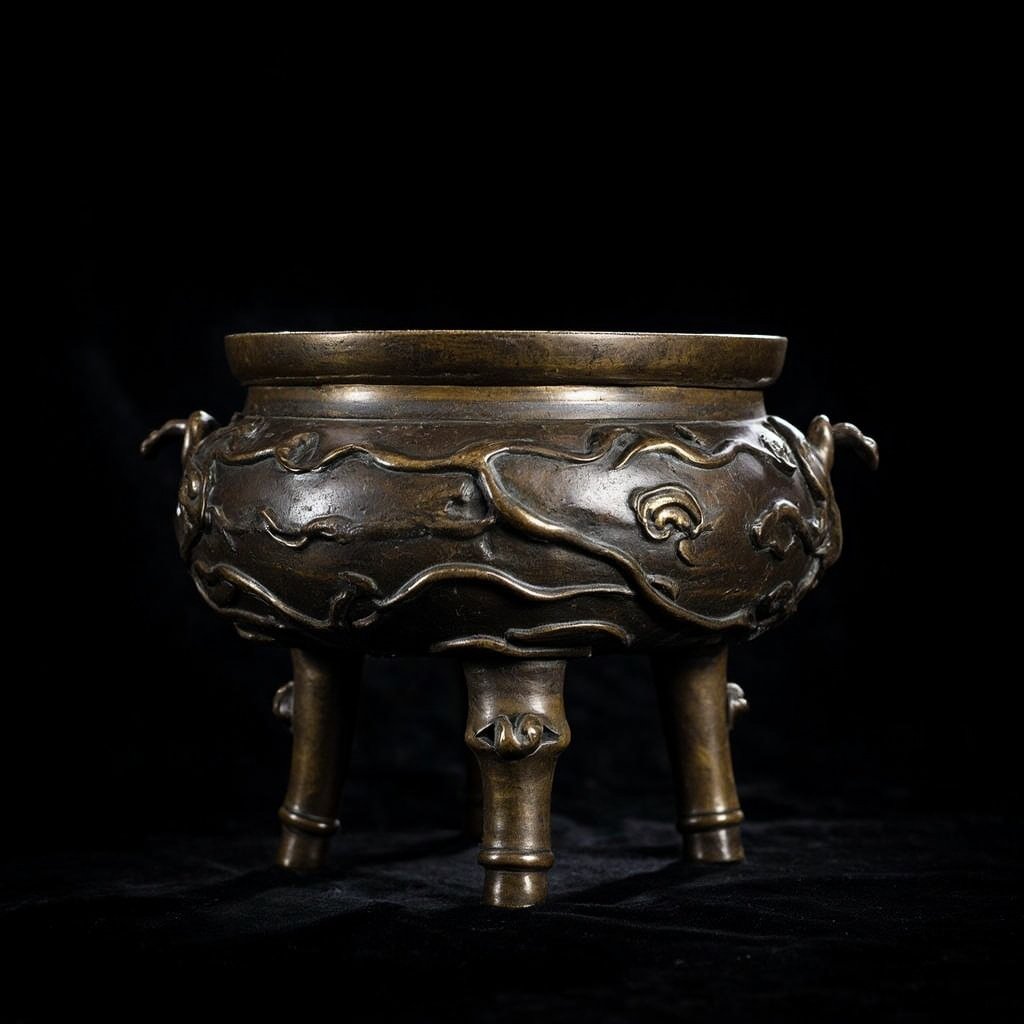
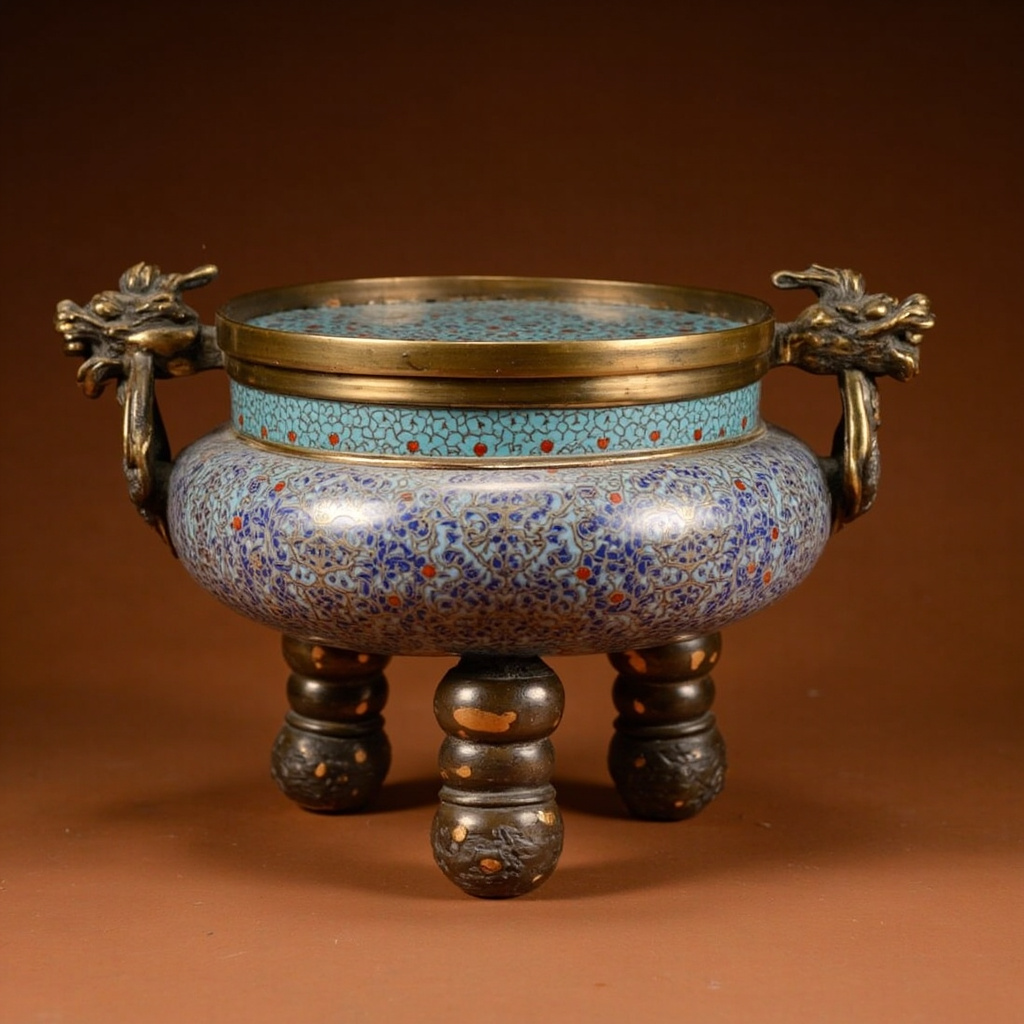
The Tripod Censer (鼎式炉): Modeled on the ancient bronze ding cauldron, this form has three legs and two handles. More formal and decorative than the bowl censer. Tripod censers are typically used for indirect burning (隔火熏) with a raised platform or mesh. The form carries associations with antiquity and ritual seriousness. These censers are often made of bronze and represent a more significant investment.
The Censor with Lid (覆钵式): A hemispherical bowl with a domed lid that has holes for smoke to escape. The lid allows for indirect burning where the incense material sits on top of the lid and is heated from below. This form is particularly associated withDaoist practice and with more formal ritual settings.
Table Censors (台式炉): Small, refined censers designed to sit on a desk or table. Often with a saucer underneath (座) to catch ash. These are the most common form for scholarly practice – the original context of 文人香, the scholar incense tradition. Simple, elegant, unobtrusive.
Standing Censors (立式炉): Tall, floor-standing censers on a long stem. More formal, used in larger spaces or altars. Less common in personal practice.
Materials and Their Properties
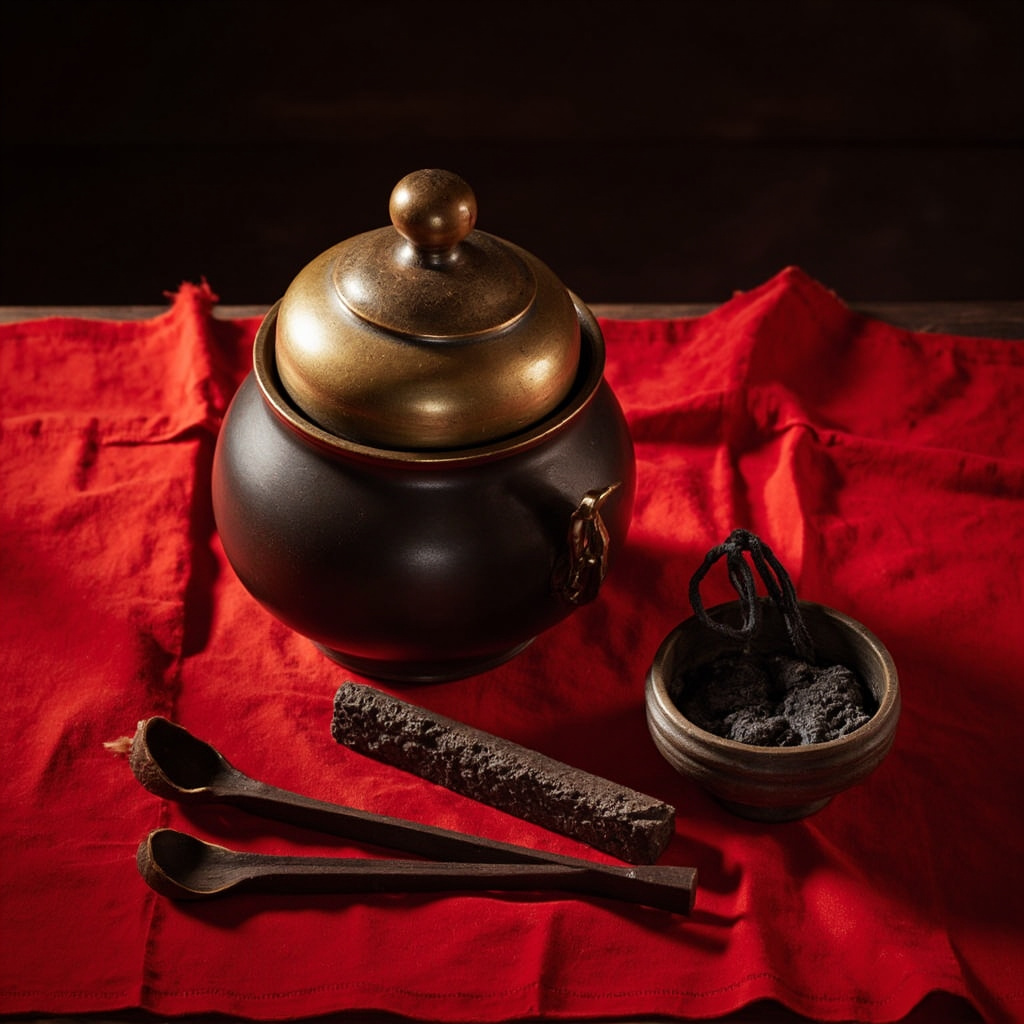
Bronze (铜/青铜): The traditional material for serious incense practice. Bronze censers are durable, retain heat well, and develop a patina over years of use that many practitioners consider beautiful. They are heavier and more expensive than ceramic, but a well-made bronze censer will outlast its owner. Bronze is particularly good for indirect burning, where even heat distribution matters.
Ceramic (陶瓷): The most accessible material. Simple ceramic bowl censers are inexpensive and highly functional. Glazed ceramic is easier to clean and less porous than unglazed stoneware. For beginners, a glazed ceramic bowl censer is the recommended starting point. High-fired ceramics can handle the thermal stress of charcoal burning better than low-fired pottery.
Porcelain (瓷): More refined than everyday ceramic, porcelain censers are typically thinner-walled and more delicate. They are beautiful but require more care – thermal shock (sudden temperature change) can crack thin porcelain. Best for direct burning rather than charcoal, which produces more concentrated heat.
Jade and Stone: Used for display censers rather than functional practice. These materials do not conduct heat evenly and are generally unsuitable for actual burning. If you encounter a jade burner at a reasonable price, it is almost certainly decorative only.
Choosing Your First Burner
The most important criterion for a first burner is that it works for the type of incense you intend to burn. A wide-mouthed bowl censer in ceramic handles most beginner situations well:
- For stick incense: a bowl 8-12 centimeters in diameter
- For indirect burning: a bowl with enough depth for a layer of ash and a small charcoal tablet
- For cones: a bowl with vertical sides to contain the cone as it burns down
Material matters less than proportion. A simple unglazed stoneware bowl of the right shape is more functional than an incorrectly proportioned bronze censer.
The second criterion is emotional resonance. When you look at the burner, does it feel right? The xianglu is an object you will spend time with. Its aesthetics matter. Choose something you want to look at, something that feels appropriate to the ritual gravity you are building.
Caring for Your Burner
Thermal management: Allow the burner to cool completely before cleaning. Placing a hot burner in cold water or on a cold surface can crack even durable materials. Patience is the primary tool of censer care.
Ash management: After each use, allow ash to cool completely (this can take 30-60 minutes), then tap out loose ash. Do not dispose of ash in a sink – it will clog the drain. Ash can be composted or discarded normally.
Deep cleaning: Once monthly or after heavy use, wash the interior with water only. No soap. Allow to dry completely (24 hours) before the next use. The interior patina that develops is normal and considered desirable by many practitioners.
Storage: When not in use, keep the burner covered to prevent dust accumulation. A simple cloth cover or wooden box works. The practice of keeping the censer covered when not in use is traditional and helps maintain the purity of the space.
Modern vs Antique
Antique Chinese censers – particularly from the Ming and Qing dynasties – are available through antique markets and dealers. These pieces represent extraordinary craftsmanship: complex bronze casting, intricate surface decoration, refined proportions. An antique xianglu is not merely a tool but an object of cultural heritage.
The practical consideration is functionality. Antique censers were made for actual use, not display, but their age means they may have invisible cracks or weaknesses that make them vulnerable to thermal shock. An antique censer requires more careful use than a modern piece. For display-only purposes, any antique censer is beautiful. For functional use, have it examined by someone experienced before burning charcoal in it.
Incense Burner FAQ
What is the best material for a beginner?
Glazed ceramic bowl censer. It is affordable, durable, thermally resistant, and easy to clean. A simple bowl 10 centimeters in diameter will handle most beginner practice situations. As your practice develops, you will naturally understand what qualities you value in a censer – and can invest accordingly.
Can I use any bowl as an incense burner?
Technically yes, practically no. A bowl with too little depth will not contain ash properly. A bowl that is not heat-resistant will crack. A bowl without some kind of airflow design will cause incense to burn too hot. Dedicated incense burners are designed for this purpose. That said, a small ceramic ramekin or espresso bowl can work for light stick incense burning as a temporary solution.
How many burners do I need?
One is enough to start. Most practitioners eventually have several: a daily practice censer (simpler, more worn), a formal or guest censer (finer), a dedicated censer for specific materials (some practitioners keep separate censers for different material types to prevent fragrance contamination). But none of this is necessary. One appropriate censer, used consistently, is a complete practice.