The story goes like this: the last ruler of the Southern Tang dynasty — Li Yu, the man who wrote poetry about his dead wife and his conquered kingdom — had a private chamber. And in that chamber, he burned something no one else had ever smelled before. A blend of goose pear and sandalwood, created for one purpose: to make the woman he loved smile again.
This is 鹅梨帐中香, E Li Zhang Zhong Xiang. “Goose Pear in the Chamber.” And it has been the most famous beginner incense blend in Chinese history ever since.
What Is E Li Zhang Zhong?
At its core, E Li Zhang Zhong is a blend of two materials: fresh goose pear (or Asian pear) and sandalwood. That is it. Two ingredients. But the ratio, the preparation method, and the intention behind it transform two simple ingredients into something that has been continuously made for a thousand years.
The Story Behind the Formula
The most commonly told version credits the formula to Huang Tingjian, the Song Dynasty poet and calligrapher, who created it for his friend Li Houzhu — the last emperor of the Southern Tang, known posthumously as “the poet king who lost his kingdom.” The story says Houzhu was depressed after his concubine Xiao Guanyin entered a monastery. Huang Tingjian, trying to help his friend, developed this blend: sweet, calming, intimate. The goose pear represented spring awakening; the sandalwood represented warmth and presence.
Whether the exact attribution is historically accurate or not, the emotional core of the story is genuine: E Li Zhang Zhong was designed to lift the mood, to bring warmth to a cold room, to remind someone that beauty still exists.
The Two Ingredients
Goose pear (鹅梨): In Chinese, “e li” refers to the Chinese white pear (Pyrus ×bretschneideri), also called “crispy pear” for its texture. The fresh fruit is sliced and placed near the sandalwood as it burns. The heat releases the pears sweet, slightly floral aroma, which combines with the sandalwood to create something greater than both.
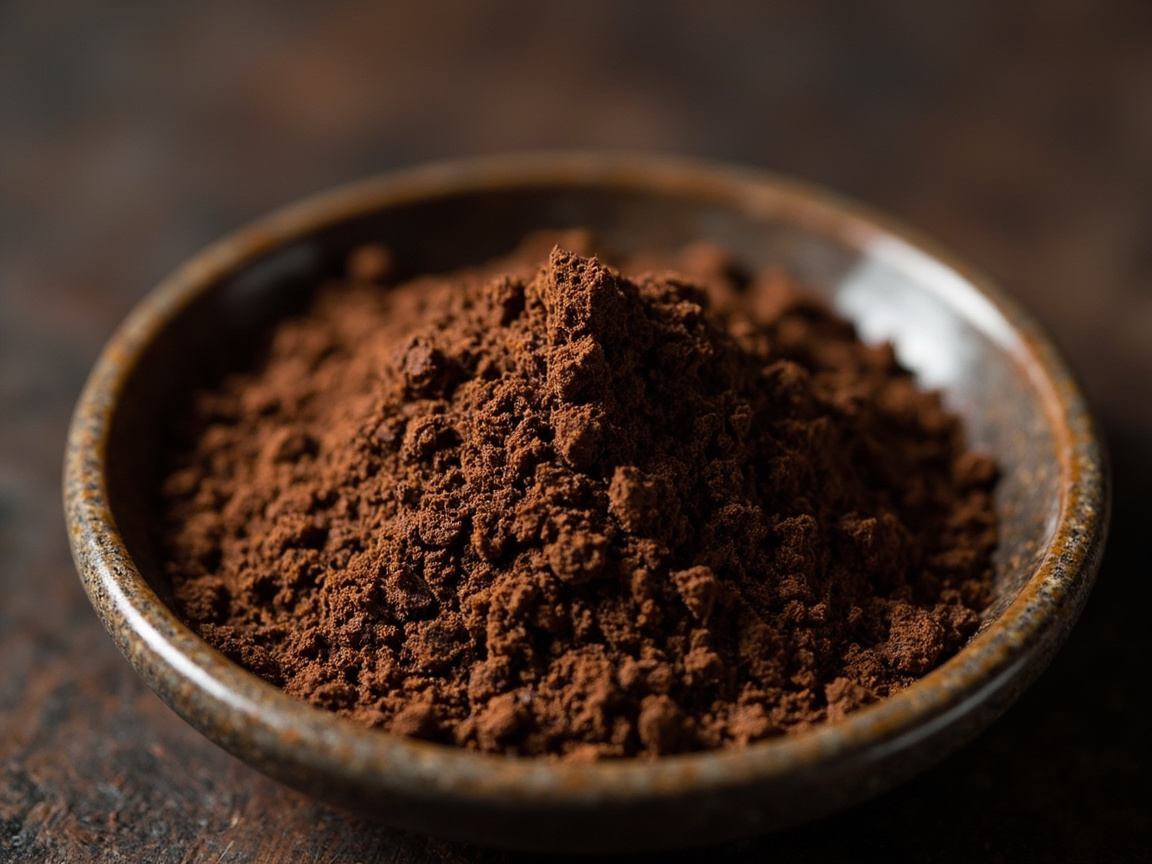
Sandalwood (檀香): The warm, creamy, sweet base that carries and holds the lighter, crisper note of the pear. Hawaiian or Indian Mysore sandalwood both work — Mysore is slightly more floral; Hawaiian is slightly creamier.
How to Make E Li Zhang Zhong
Traditional preparation:
- Slice one fresh Asian pear thinly. The thinner the slice, the more surface area for the heat to work on.
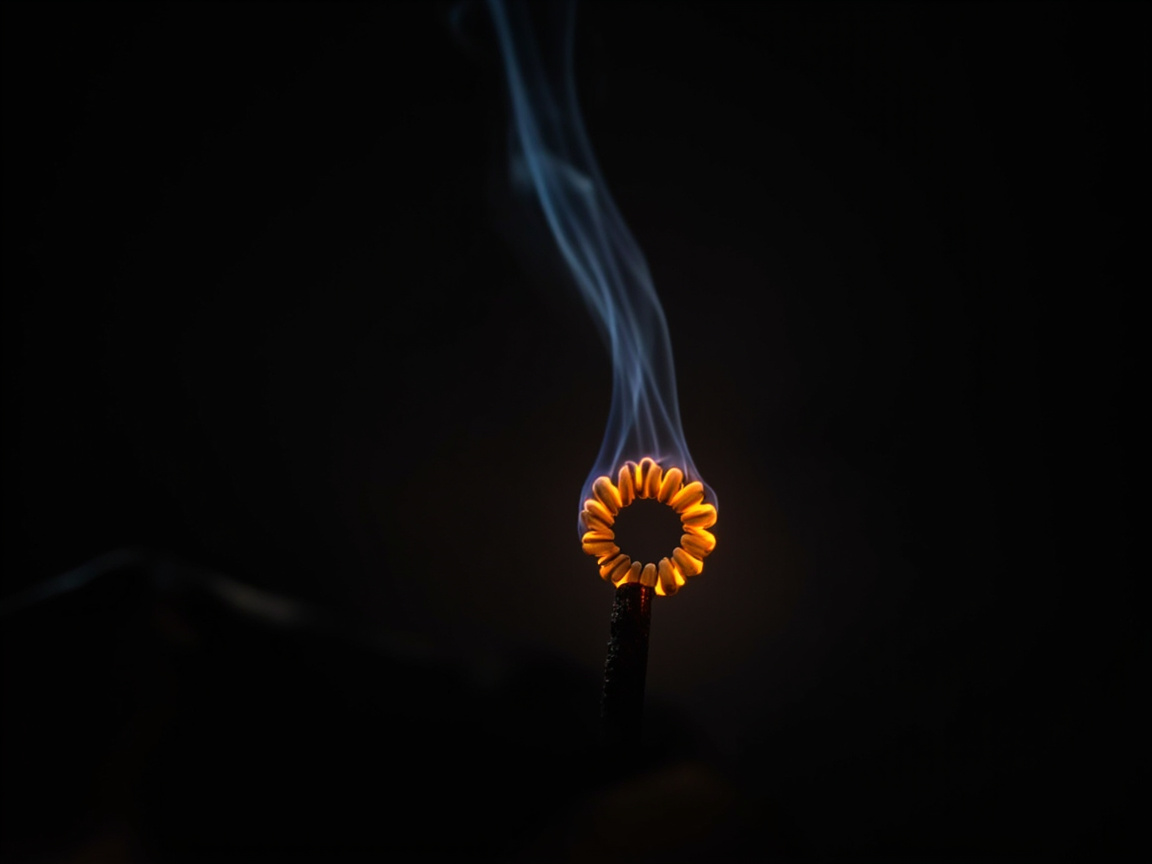
- Place the pear slices around or above a small amount of sandalwood powder on your heating surface.
- Use very low heat — 50-60 degrees Celsius. The pear should dry slowly, not scorch.
- The combination of the warm sandalwood and the slow-drying pear creates the characteristic sweet, slightly floral, warm fragrance.
Modern approximation:
- If you cannot get fresh Asian pear: use high-quality osmanthus absolute or plum blossom absolute as a substitute, added in tiny amounts to sandalwood powder.
- If you want the full experience: try placing a small piece of dried osmanthus tea near your sandalwood on the heater.
- Commercial versions: Shoyeido makes a version called “Gobyashi” that approximates E Li Zhang Zhong. Not identical, but the closest commercially available product.
When to Burn E Li Zhang Zhong
The original context was intimate and private: the chamber of an emperor, late at night, for a specific emotional purpose. This is still the best context for E Li Zhang Zhong. It is not a temple incense. It is not a crowd fragrance. It is:
- A late evening alone with a book
- A quiet conversation with someone you care about
- A moment when you need something to shift the mood of a room
- A meditation practice when you want warmth without aggression
Why E Li Zhang Zhong Is the Best Beginner Blend
Three reasons:
- Safety: Two ingredients, both well-understood, both gentle. Allergies and adverse reactions are rare.
- Accessibility: The components are available and affordable. You do not need rare materials or expensive equipment.
- Effect: The emotional effect is clear and consistent — calming, slightly uplifting, warm. You will notice the difference immediately.
E Li Zhang Zhong FAQ
Can I burn E Li Zhang Zhong on charcoal?
You can, but you lose some of the subtlety. Charcoal burns too hot for the pear note. Electric heater at 50-60 degrees is the best method.
How long does one session last?
With good sandalwood and fresh pear, 30-45 minutes on a low electric heater. The pear note fades first; the sandalwood base lasts longer.
Can I make a larger batch?
Traditional practitioners would make small batches fresh for each use, not because the blend degrades, but because the emotional intention was considered part of the formula. Making it fresh, with someone you care about, was part of the practice.