
It washes up on a beach somewhere. It has been in the ocean for decades, sometimes centuries. It smells like nothing you have ever encountered — a strange, warm, animalic sweetness that has been called everything from “fecal” to “divine.” This is 龙涎香 (Longxianxiang) — ambergris. One of the most controversial and fascinating ingredients in perfumery and incense history.
What Is Ambergris?
Ambergris is a waxy substance produced by sperm whales. When a sperm whale ingests sharp objects (like squid beaks), its digestive system coats the irritant in a waxy substance. This is expelled — or occasionally found in the intestine of dead whales. Then it floats in the ocean for decades, exposed to salt water and sun, transforming chemically the entire time.
The Transformation That Makes It Valuable
Fresh ambergris smells unpleasant — fecal, marine, sometimes vomit-like. This is why it was initially called “amber-catti” — a play on “cattiness.” But after years or decades in the ocean, it transforms. The outer layer oxidizes and mellows, and the inner core develops the warm, sweet, complex fragrance that has made it one of the most prized perfume and incense ingredients in history.
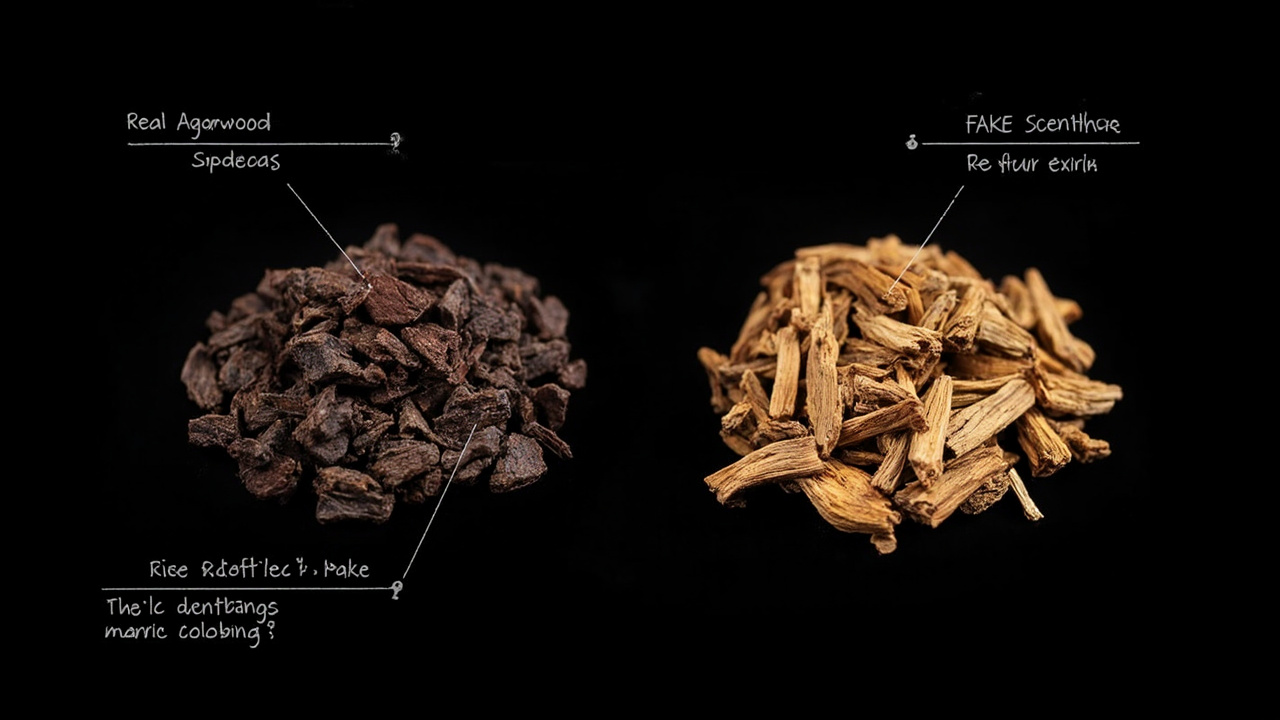
Ambergris in Chinese Incense Culture
In Chinese incense tradition, ambergris is called 龙涎香 (Dragon Slobber Incense) — a name that reflects both its mysterious origin and its premium status. Historically, it was reserved for imperial use and the highest levels of ceremony.
How Ambergris Is Used in Incense
Ambergris is a fixative — it slows down the evaporation of lighter fragrance materials and adds an animalic, persistent warmth to blends. In Chinese incense, it is typically used in very small amounts:
- As a fixative: 1-5% of a blend. Too much makes the blend overwhelming.
- In tincture form: Dissolved in alcohol, added drop by drop to blends.
- Direct burning: Not recommended — the heat destroys the delicate fragrance compounds.
Modern Status of Ambergris
Ambergris is now protected in many countries. Sperm whales are endangered, and ambergris collected from live whales is illegal. However, ambergris that washes ashore naturally — “beach-combed” ambergris — has a complex legal status that varies by jurisdiction.
FAQ
Is ambergris safe to use?
Natural beach-combed ambergris is considered safe for use in perfumery and incense. Avoid ambergris of unknown origin or anything marketed as “sustainable whale-derived.”
Why is ambergris so expensive?
Supply is extremely limited. Only a tiny fraction of sperm whales produce it, and finding beach-combed ambergris is rare. A single piece can be worth thousands of dollars.
Can I substitute something for ambergris?
No direct substitute exists for genuine ambergris. For the animalic warmth, some practitioners use synthetic materials or smaller amounts of natural materials like castoreum. The effect is different but can be satisfying.