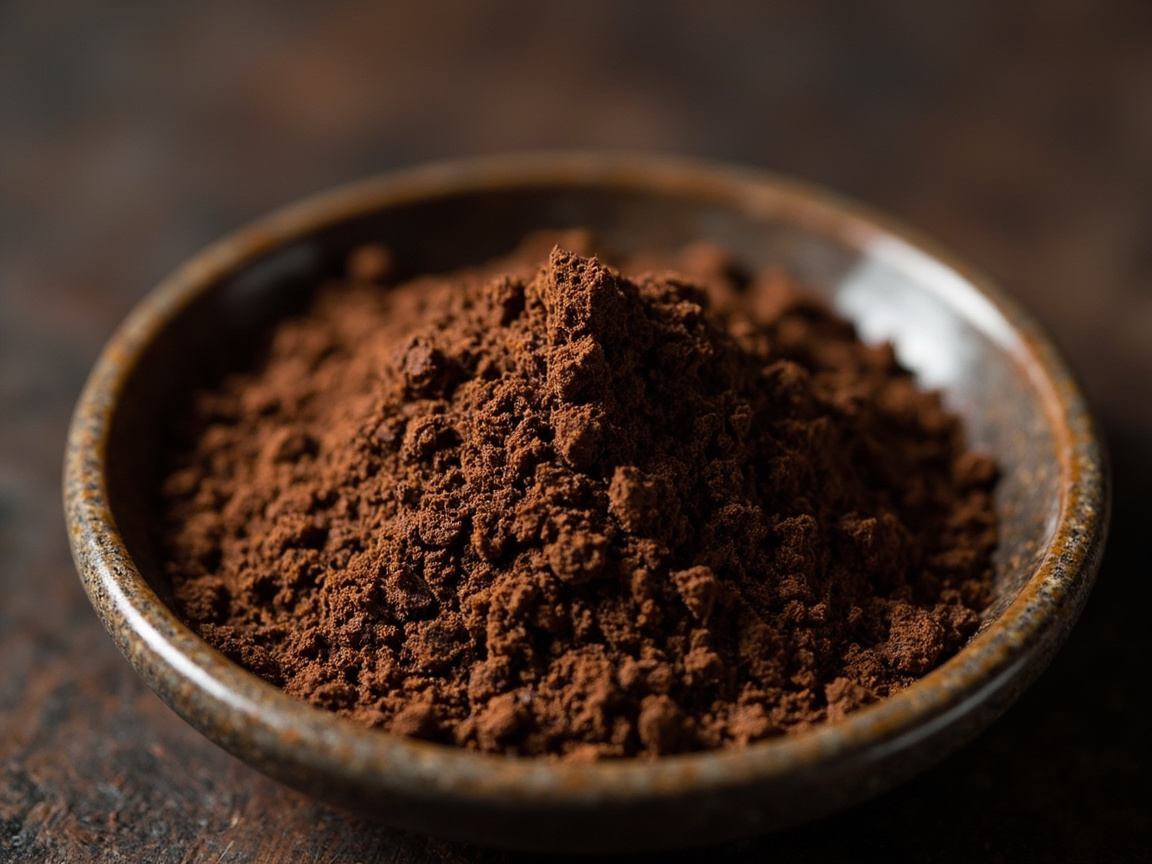
You see it in stable barns in winter. You see it in the hands of African healers. You see it in the Bible — one of the gifts for the baby Jesus, along with gold and frankincense. Myrrh — in Chinese, 没药 (Moyao) — has been one of the most important resins in human history. Here is how to understand it.
What Is Myrrh?
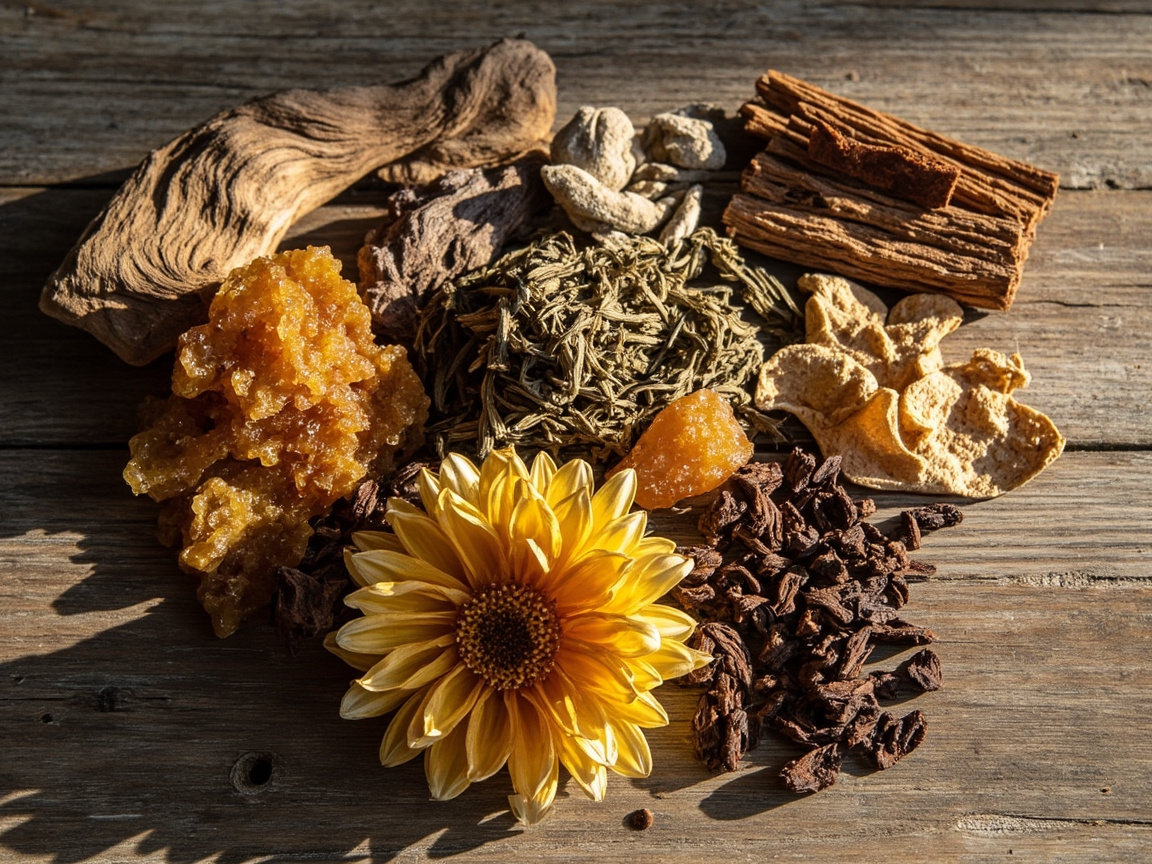
Myrrh comes from trees of the genus Commiphora, native to the Horn of Africa and the Arabian Peninsula. Like frankincense, it is a resin that bleeds from the bark when cut. Unlike frankincense, myrrh is darker, more bitter, and has an earthy, slightly medicinal quality that frankincense lacks.
Myrrh vs Frankincense
If frankincense is the bright, citrusy top note, myrrh is the deep, grounding base. Frankincense opens a space. Myrrh fills it. The two are often used together in blends — frankincense lifts, myrrh anchors.
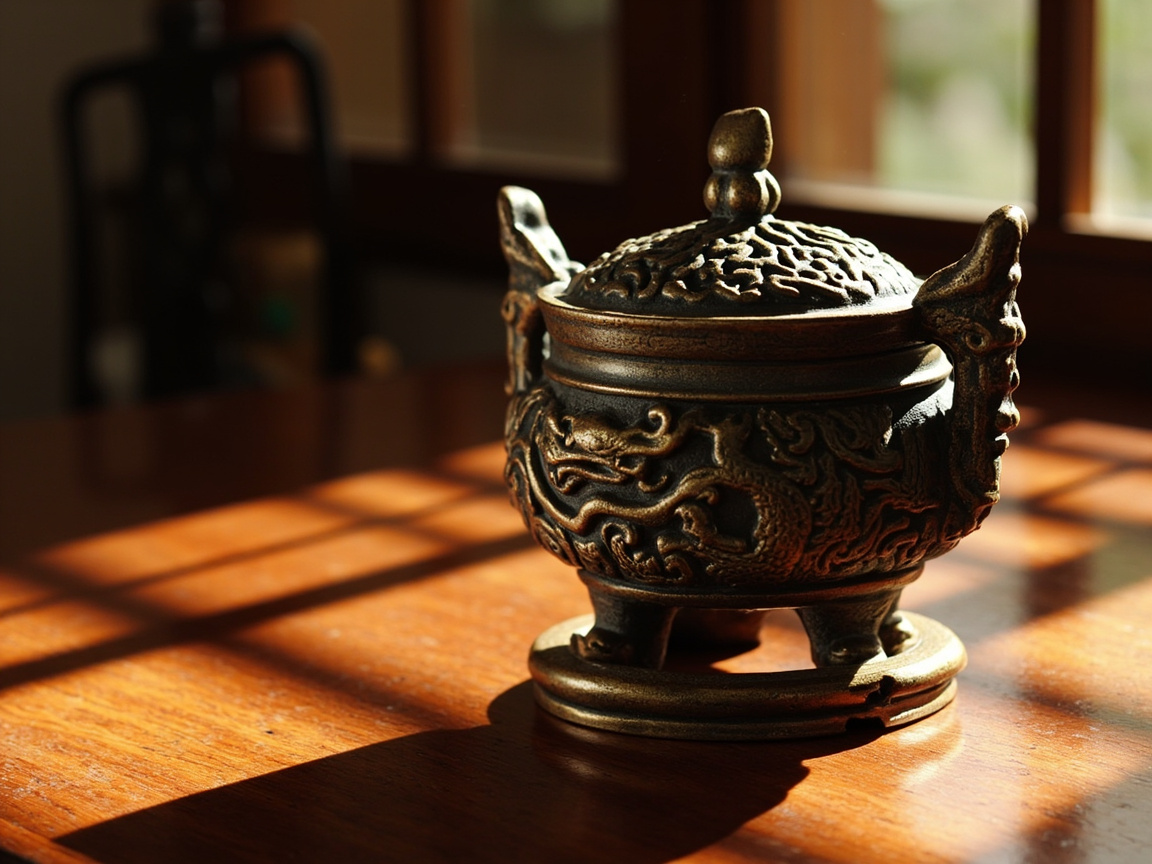
How to Use Myrrh in Incense
- In blends: Myrrh is almost always used as a base note in blends, typically 10-20% of the total.
- On charcoal: Small amounts (0.1-0.2g) work well.
- In Tibetan practice: Myrrh is a primary material in Tibetan incense blends.
Myrrh in TCM
In Chinese medicine, myrrh is classified as bitter and warming. It is used to move blood and relieve pain.
Myrrh FAQ
Does myrrh smell bitter?
Yes, but in the right context. The bitterness is a feature, not a bug.
How do I store myrrh?
Airtight container, away from heat and light. Myrrh resin keeps for years.