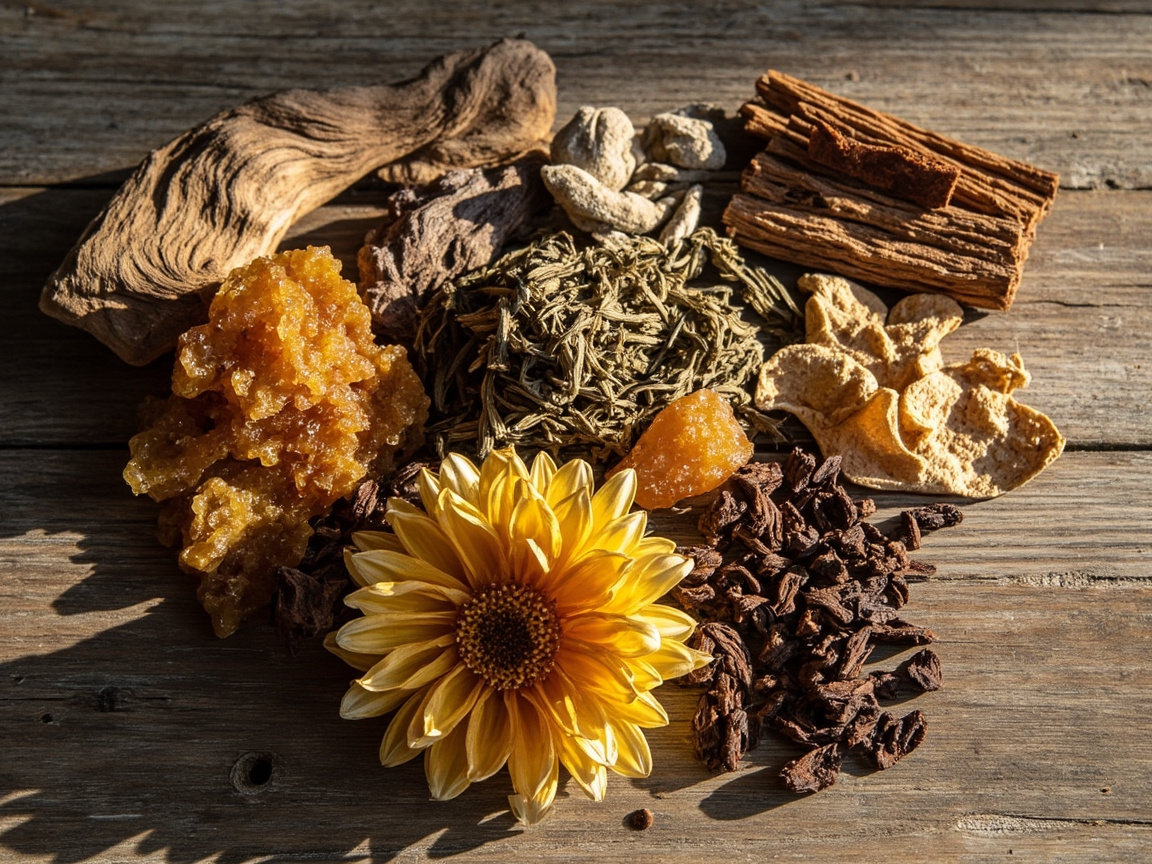
In Chinese medicine, 苍术 (Cang Zhu) is used to dry dampness and strengthen the spleen. In incense culture, it is used for something more specific: creating an atmosphere of clarity, sharpness, and mental focus. This is not a pleasant, warm incense. It is an honest one.
What Is 苍术?
Cang Zhu (Atractylodes lancea) is a root from the aster family, native to China, Japan, and Korea. The root has a distinctive pungent, bitter aroma when raw, but when processed and aged, it develops a smoother, more complex fragrance with notes of cedar, earth, and a distinctive medicinal sharpness.
Cang Zhu in TCM Incense
In TCM, Cang Zhu is classified as bitter and warm. Its actions on the body include drying dampness and expelling wind-damp. When used in incense, this translates to an effect of:
- Mental clarity — the sharp aroma is stimulating without being aggressive
- Atmosphere purification — Cang Zhu was traditionally burned to clear “dampness” from spaces
- Focus enhancement — used in study incense formulas for concentration
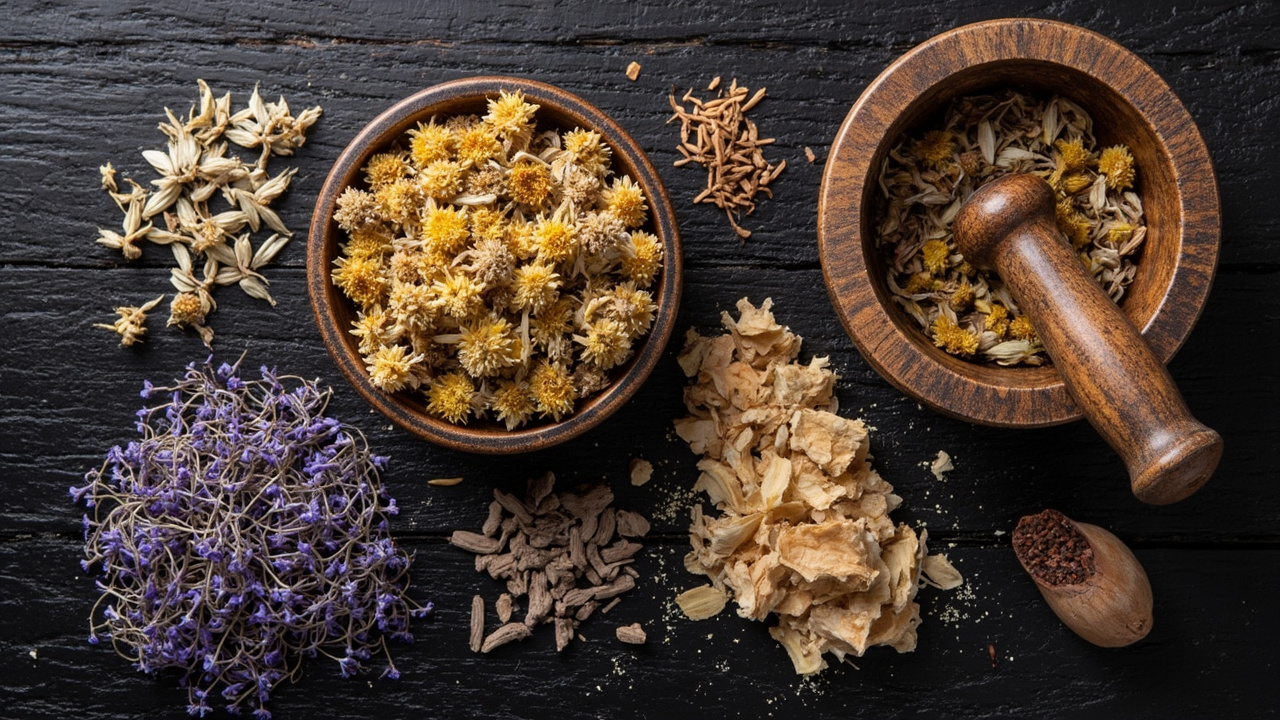
Study Incense Formula (读书香)
A traditional formula for focus during study using Cang Zhu:
- 3g Cang Zhu powder — the sharp, clarifying base
- 2g sandalwood — warmth to balance the sharpness
- 1g ginger root — adds warmth and slight spice
- 0.5g cardamom — opens the senses
Burn on charcoal at medium heat. The overall effect should be: sharp opening that settles into warmth, mental clarity that does not feel forced.
How to Source Cang Zhu
Look for processed Cang Zhu slices, not raw root. The processed form (麸炒苍术) has been lightly roasted with wheat bran, which mellows the harsh qualities. Sources: TCM herb shops, specialty incense suppliers.
FAQ
Does Cang Zhu smell medicinal?
Yes, and that is part of its character. If you want only sweet, warm fragrances, Cang Zhu is not for you. If you want something honest and clarifying, it is excellent.