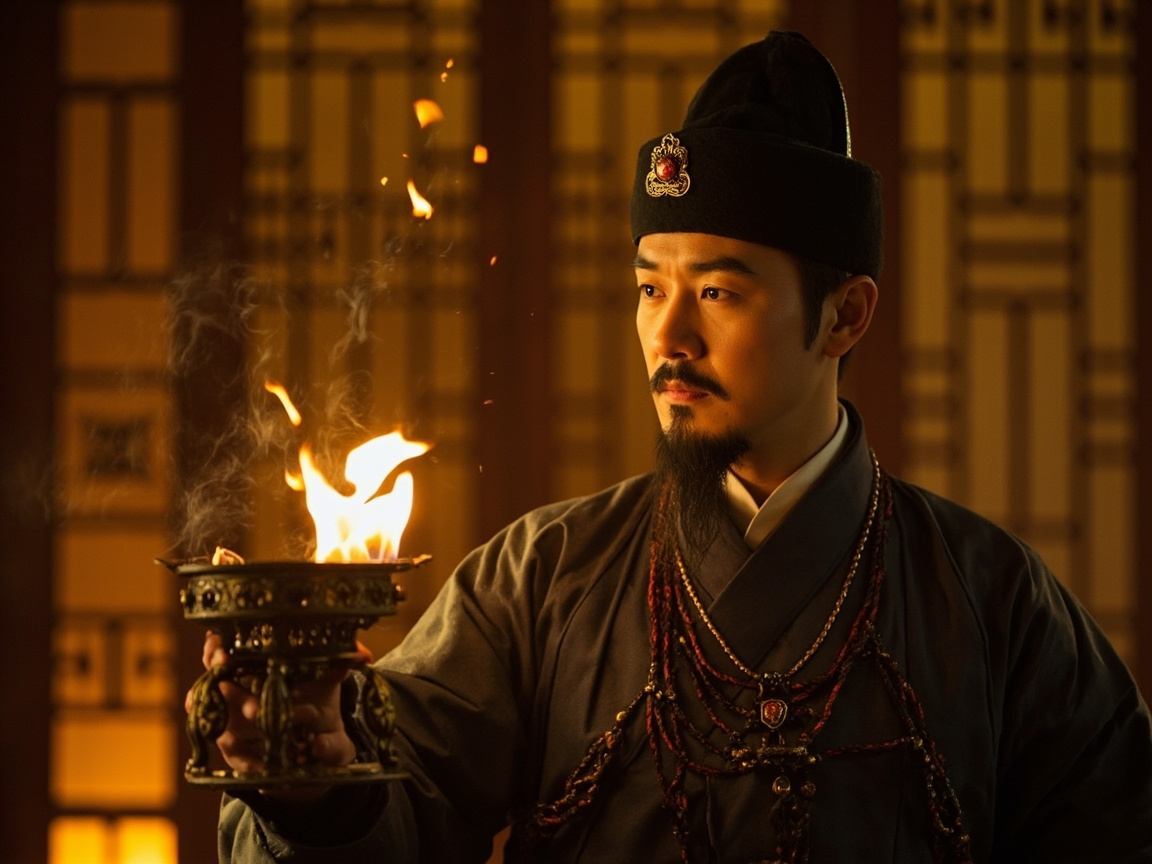
In Chinese culture, the moments of greatest human significance — birth, marriage, death — have always been accompanied by incense. Not as decoration. As infrastructure. The smoke was believed to carry messages, intentions, and grief between the worlds of the living and the dead.
Wedding Incense (婚香)
In traditional Chinese weddings, incense was used in multiple ceremonies:
- 拜天地 — The heaven and earth ceremony, with incense on the altar
- 拜高堂 — Honoring parents, with incense symbolizing respect
- 洞房 — The private chamber, where specific blended incense was burned for the couple
The wedding incense was typically warm and sweet — sandalwood, osmanthus, ambergris. It symbolized the union, the warmth, and the blessing of ancestors.
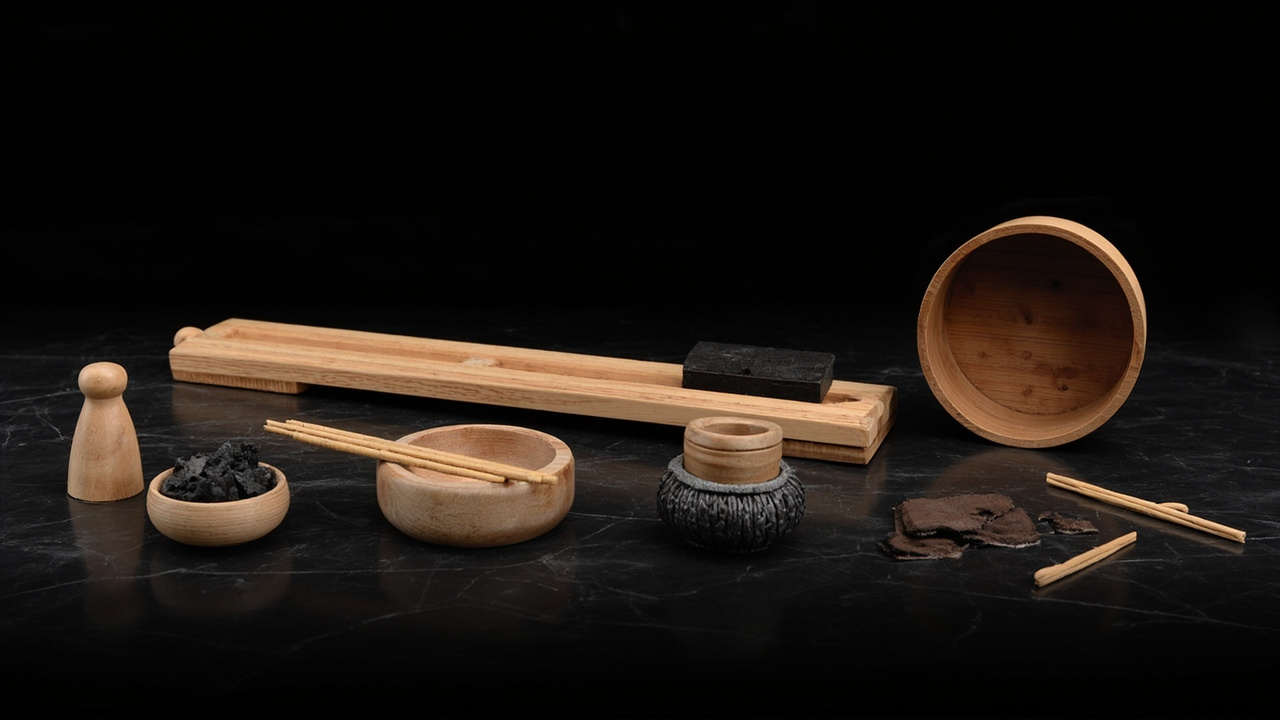
Funeral Incense (丧香)
Funeral incense practice is more complex and varies by region and Buddhist/Taoist tradition. General principles:
- Incense is burned continuously during the funeral — the smoke carries prayers
- Fragrance is typically sharp and purifying — frankincense, cedar, musk
- Specific formulas are used for different periods of mourning (7 days, 49 days, 1 year, 3 years)
- The grave-sweeping incense (清明香) is a specific seasonal practice
The Cultural Logic
In traditional Chinese thought, the smoke of incense was one of the primary mediums of communication with the spiritual world. This is why incense is not optional in these ceremonies — it is the mechanism by which the ceremony functions.
Modern Practice
Modern Chinese funerals typically use simple stick incense at home altars. Temple funerals may use more elaborate forms. The essential gesture is the same: light, present offering, bow.