

Most people who try Chinese incense for the first time are surprised by how different it smells from what they expected. They expected something aggressive, incense-y, smoky. They got something warm, sweet, and quietly beautiful. That surprise is usually the work of a sweet blended incense — 甜香型合香.
What Makes Incense “Sweet”?
In Chinese incense terminology, 甜 (sweet) refers to a specific quality in the fragrance profile — a roundness, a warmth, a hint of something honeyed or floral that balances the sharper notes. Sweetness in incense usually comes from:
- Benzoin (安息香) — vanillin content, creamy sweetness
- Osmanthus (桂花) — honeyed, apricot-like floral sweetness
- Agarwood (沉香) — aged, deep sweetness from resin development
- Honeysuckle — delicate, honeyed floral note
A Basic Sweet Incense Formula
This is a simple starting point for a sweet incense:
- 3g sandalwood powder — warm, sweet base
- 1g benzoin tears — fixes and sweetens
- 0.5g osmanthus absolute — floral note (or skip if unavailable)
- 0.2g agarwood chips — depth and complexity
Mix thoroughly. Burn on low heat, 50-60C. Adjust ratios to taste.
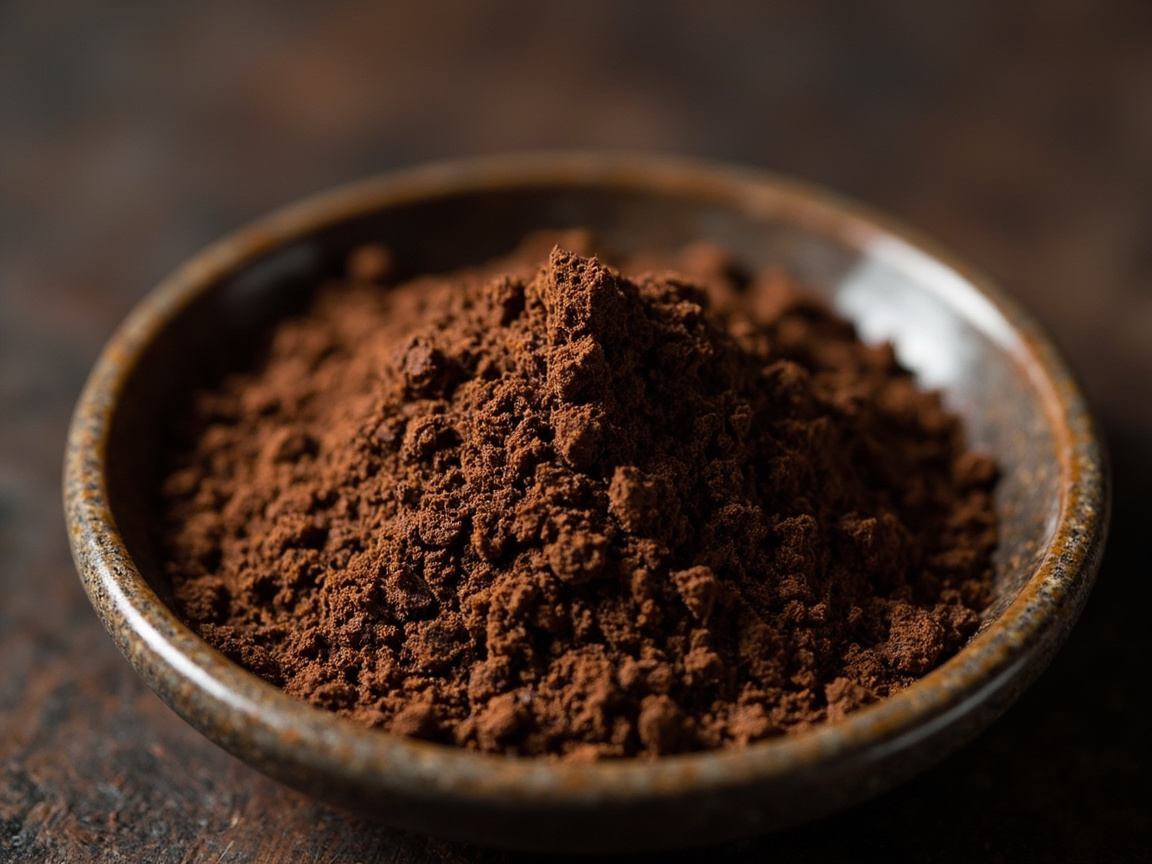
Sweet Incense in Chinese Culture
Sweet incense was especially associated with the Song Dynasty scholar culture. It was considered appropriate for close, intimate settings — the study, the private garden, the late evening. This is in contrast to temple incense, which was designed to fill large, open spaces with strong, assertive fragrance.
When to Use Sweet Incense
Sweet incense works best in small, enclosed spaces where its subtlety can be appreciated. It is not a party fragrance. It is a personal fragrance — for when you want to be surrounded by warmth without being overwhelmed.