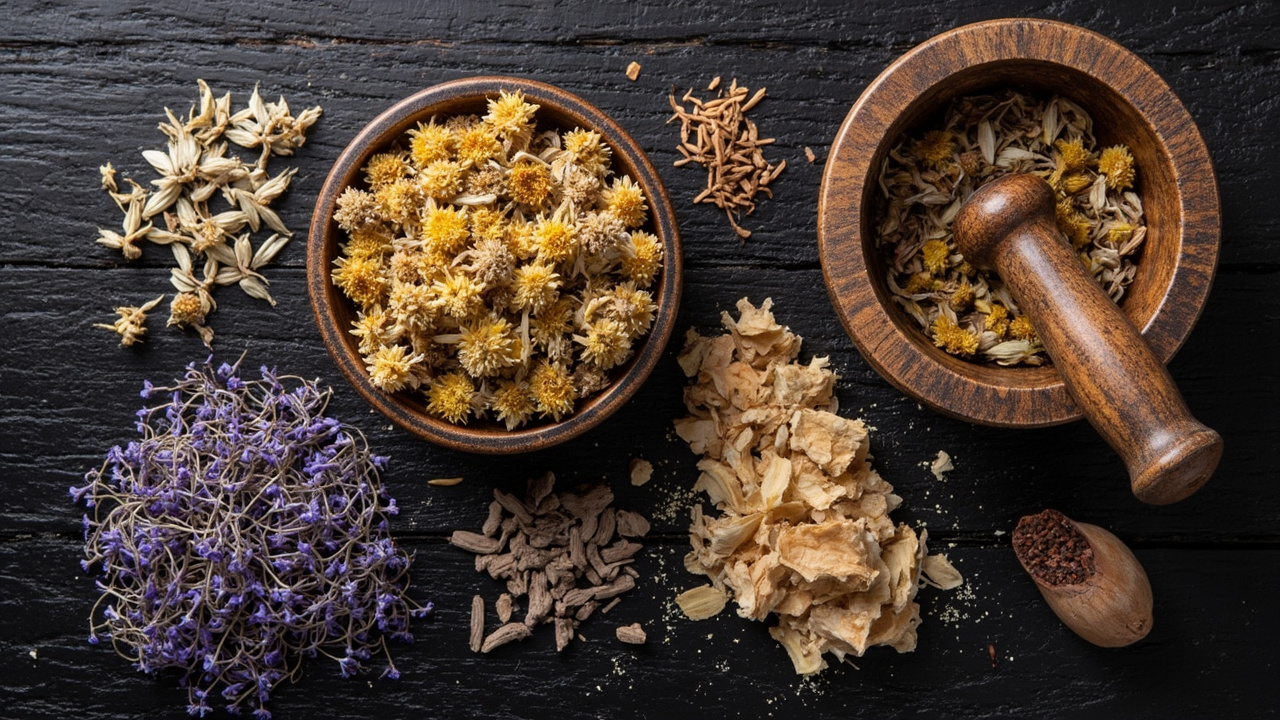
In Chinese medicine, it is called 艾 (Ai). In English, it is mugwort. In Europe, it was used to flavor beer before hops. It grows everywhere. It has been used for thousands of years. And in Chinese incense culture, it occupies a specific and important niche.
What Is 艾草 (Mugwort)?
Mugwort (Artemisia argyi) is a species of wormwood native to Asia. It is one of the most widely used medicinal herbs in Chinese medicine, and one of the most important plants in the incense traditions of East Asia.
Mugwort in TCM
In TCM, mugwort is classified as warming. It is used to dispel cold and dampness, to regulate qi, and to calm the spirit. When used in incense, it is typically for:
- Mosquito repellent — the characteristic smell repels insects
- Dampness dispelling — warming, drying properties
- Calming the spirit — mild sedative effect
- Moxibustion — burned near the skin as thermal therapy
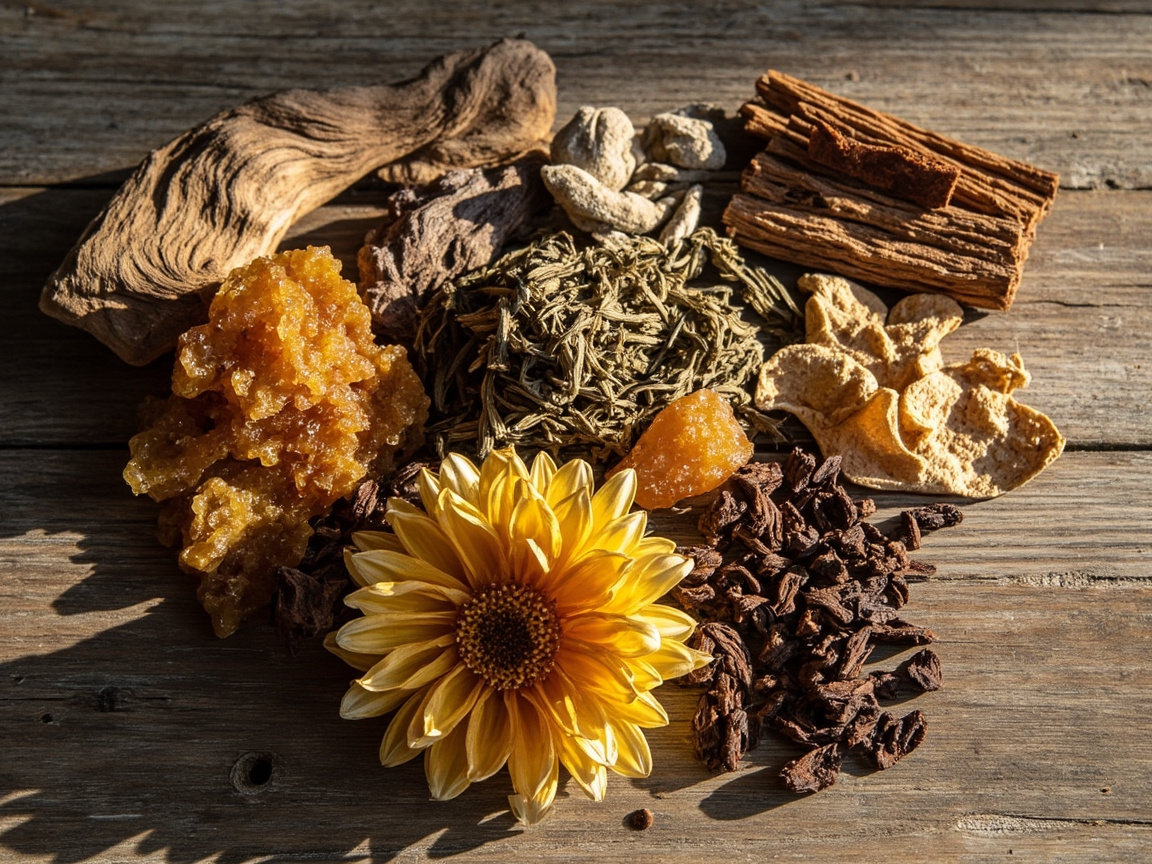
How to Use Mugwort as Incense
Mugwort is almost always used in bundle or stick form, not as loose powder:
- Dry and burn directly — Traditional practice, strong aroma
- Mosquito coil form — practical for outdoors
- Blended with sandalwood or benzoin — for balance
Mugwort vs Other Incense Materials
Mugwort is sharper and more medicinal than most other incense materials. It is not subtle. It is direct. This is both its strength and its limitation. Used alone, it can be overwhelming. Blended with warm materials like sandalwood, it becomes more accessible.
FAQ
Is mugwort incense safe?
Natural mugwort burned in ventilated spaces is safe for most people. Avoid during pregnancy. If you have allergies to ragweed or related plants, use caution.