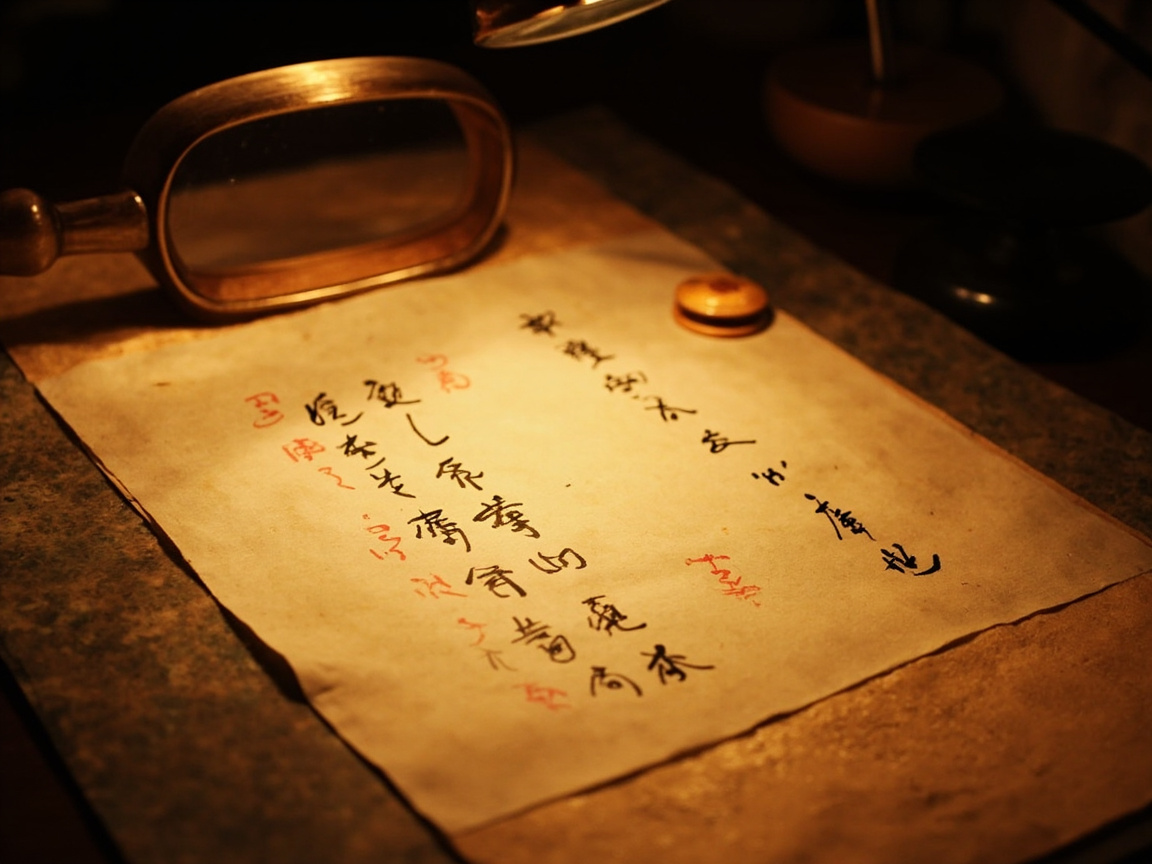
You see it in old paintings: a bronze or ceramic disk with intricate patterns carved into it, ash laid carefully within those patterns, and a thin line of smoke rising from the ash. This is 香篆 (Xiang Zhuan) — seal incense — one of the most beautiful and meditative forms of incense practice.
What Is Seal Incense?
香篆 consists of a mold — a metal or ceramic template with a decorative pattern cut into it — placed over ash in a censer. Incense powder is spread over the mold, filling the carved channels. When the mold is lifted, a precise pattern of incense powder remains. The powder is then lit, and the smoke traces the design as it burns.
The History of 香篆
Seal incense originated in the Tang Dynasty and reached its peak in the Song Dynasty, when elaborate designs became an art form. Different patterns had different meanings — some for meditation, some for ritual, some purely decorative.
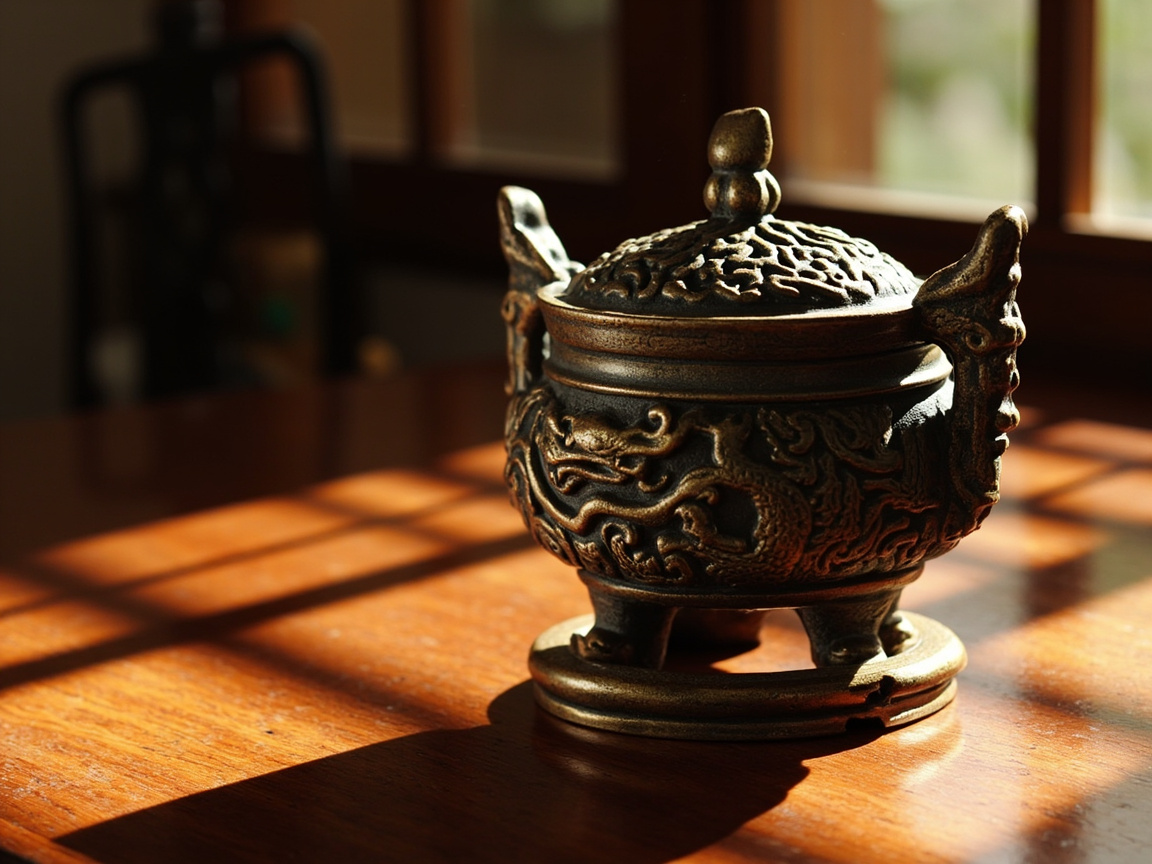
How to Practice 香篆
- Fill your censer with a 1-2cm layer of fine ash. Level it evenly.
- Place the 香篆 mold on top of the ash.
- Using a small sieve, dust incense powder over the mold until the pattern is filled.
- Carefully lift the mold straight up. The powder pattern remains.
- Touch the end of the pattern to a lit incense stick to start the burn.
- Watch the line of fire trace the design. This is the practice.
Modern 香篆 Tools
Traditional bronze molds are expensive and rare. Modern alternatives include brass or copper molds (affordable and functional), ceramic molds (more fragile but aesthetically traditional), and digital-printed ash boards (single use, precise patterns).