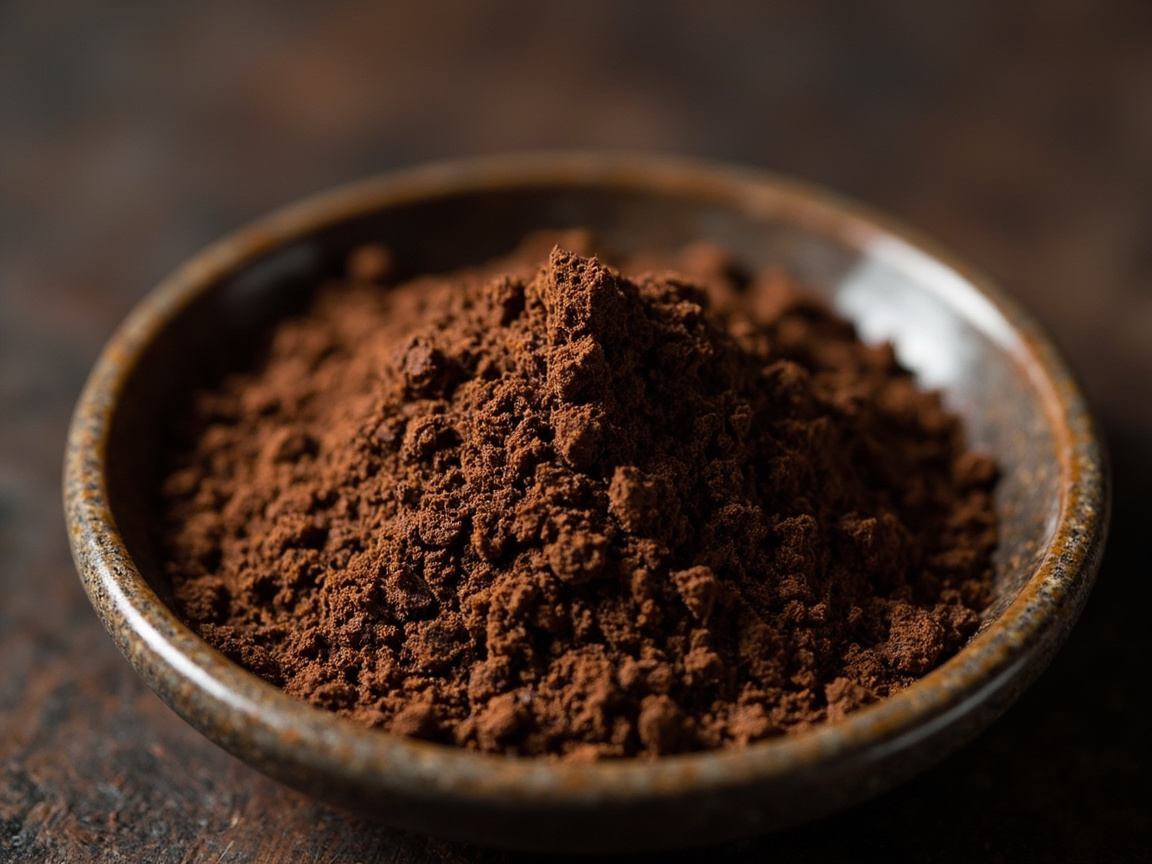
It smells like vanilla. Warm. Comforting. The kind of smell that makes you want to sit down and slow down. Benzoin — 安息香 (Anxixiang) in Chinese — is one of the most approachable resins for beginners, and one of the most versatile for experienced practitioners.
What Is Benzoin?
Benzoin comes from trees of the genus Styrax, native to Southeast Asia. Like frankincense, it is a resin. The two main types in the trade:
- S. tonkinensis — Vietnamese/Thai benzoin, sweeter, more vanillin
- S. benzoin — Sumatra benzoin, earthier, more resinous
Why Benzoin Is Special
Benzoin contains high levels of vanillin — the same compound that gives vanilla its smell. This makes it immediately pleasant and familiar, even for people new to incense. It also has exceptional fixative properties — it slows down the evaporation of lighter fragrance materials, making blends last longer.

How to Use Benzoin
Benzoin is almost always used in blends, not alone. A little goes a long way:
- As a fixative: Add 10-20% benzoin to any blend to make it last longer
- On charcoal: Small amount (0.1-0.2g) mixed with other materials
- In electric heater: Very low temperature (40-50C) works well
- As incense powder: Mix with sandalwood for a sweet, warm base
Benzoin in TCM
In Chinese medicine, benzoin is associated with moving qi and relieving pain. It is used in formulas for respiratory conditions and to promote circulation. This is why it appears in traditional Chinese incense blends for circulation and warmth.
FAQ
Why does benzoin sometimes smell medicinal?
If your benzoin smells more like medicine than vanilla, you may have the Sumatra type, or the resin may be old. Fresh, properly stored benzoin should smell sweet and warm.