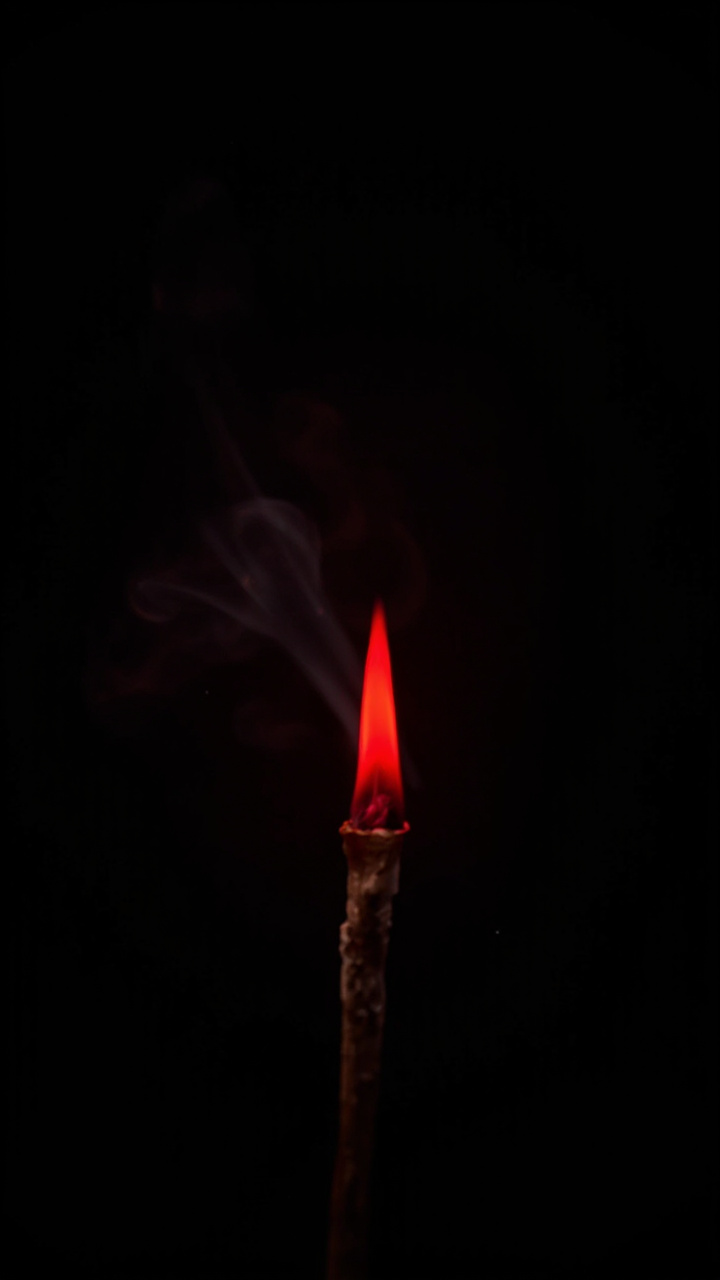
You have seen it in church. You have seen it in the hands of ancient Egyptian priests. You have seen it in the Quran, where it is named as one of the gifts for the baby Jesus. Frankincense — in Chinese, 乳香 (Ruxiang) — has been one of the most traded materials in human history. Here is how to actually understand it.
What Is Frankincense?
Frankincense comes from trees of the genus Boswellia, native to the Horn of Africa, the Arabian Peninsula, and India. When the bark is cut, a milky resin weeps out. That resin is frankincense. The name comes from “franc ensence” — pure incense — given by medieval French traders who recognized its quality.
The Four Major Types of Frankincense
Not all frankincense is equal. Four species produce commercially significant resin:
- Boswellia carterii — Somali, most common in trade
- Boswellia sacra — Omani/Yemeni, considered finest quality
- Boswellia serrata — Indian, used in Ayurveda
- Boswellia papyrifera — Ethiopian/Eritrean, most affordable
How to Use Frankincense in Incense
Frankincense is versatile. It burns well on charcoal, on electric heaters, and in traditional censers. The key distinction:
- Gum/resin tears: Direct burning on charcoal, intense aroma
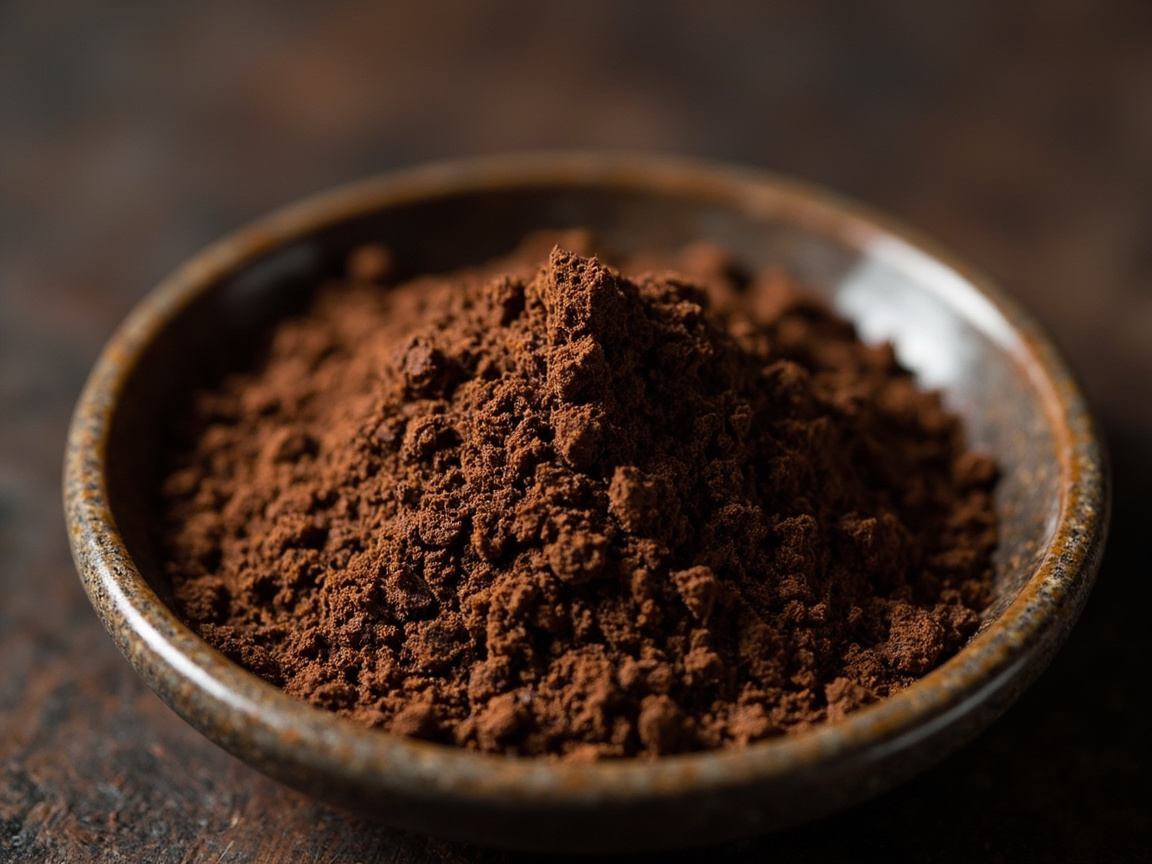
- Powder: Better for indirect heating, longer experience
- Essential oil: For ambient fragrance, not incense burning
Frankincense vs Other Resins
Compared to myrrh and benzoin, frankincense has a distinctive citrusy, pine-like top note that the others lack. It is also cleaner-burning — less soot, less smoke, more clarity in the fragrance profile.
FAQ
Is frankincense safe to burn?
Yes, natural frankincense resin is safe in ventilated spaces. Avoid prolonged heavy exposure if you have respiratory conditions.
How do I store frankincense?
Keep in an airtight container, away from heat and direct sunlight. Resin keeps for years.