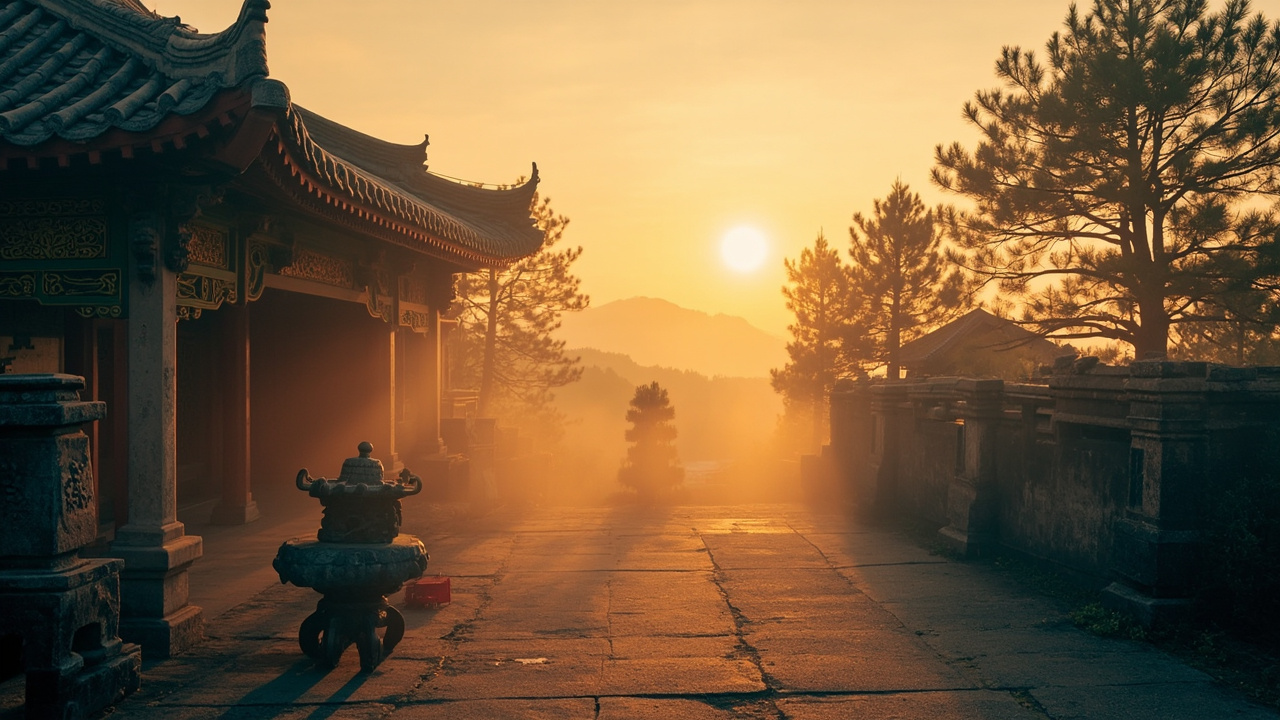
In Daoist practice, burning incense is not about making the room smell good. It is about establishing a communication channel between the physical and the spiritual. The smoke is the medium. The fragrance is the message. This is not metaphor — it is a specific technical understanding of how incense works within the Daoist cosmological framework.
Understanding 道家香 (Daoist incense practice) helps explain why Chinese incense culture developed the way it did, and why it is so deeply intertwined with meditation, cultivation, and internal practice.
The Daoist Theory of Incense
Daoist cosmology describes the universe as having both manifest (有) and unmanifest (无) dimensions. The unmanifest is not empty — it is the source of all manifest reality. Incense, in Daoist practice, is one of the primary tools for accessing this unmanifest dimension.
Here is the logic: burning incense produces smoke. Smoke rises and dissipates. At the moment of dissipation, where does it go? Daoist answer: it enters the unmanifest, carrying the intention of the practitioner with it. The smoke is a vehicle. The fragrance is the signal. The intention is the content.
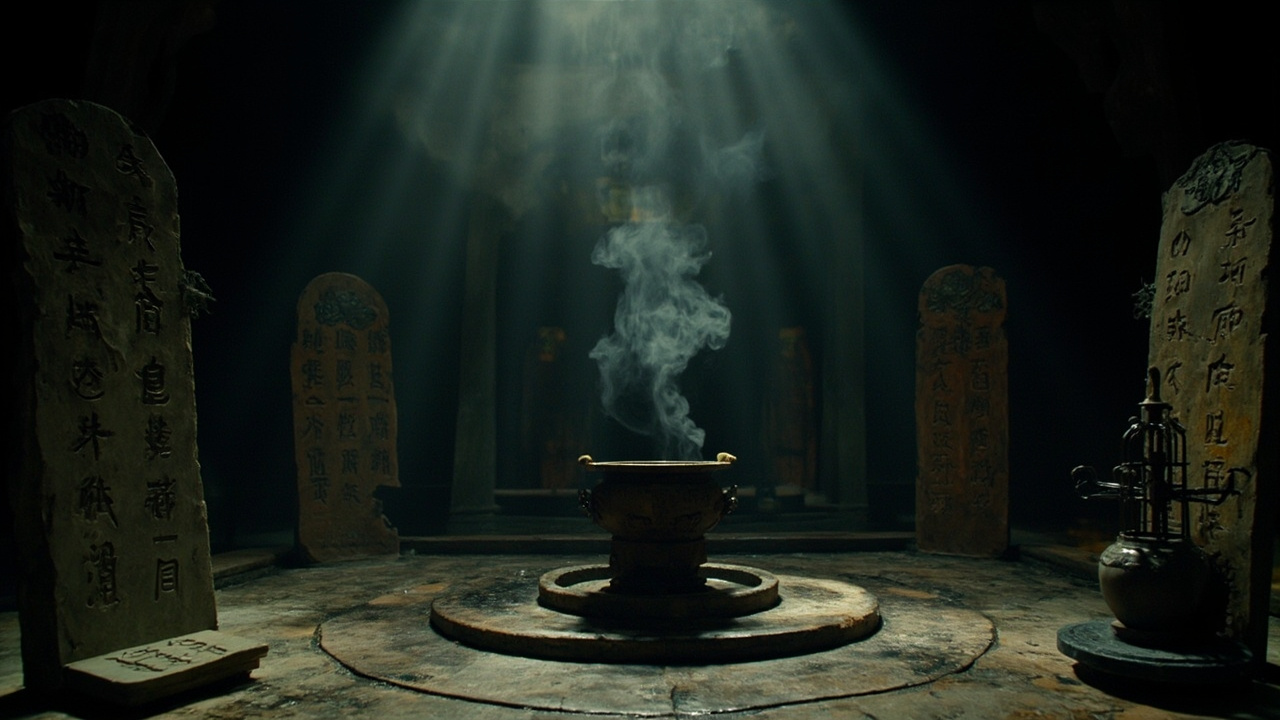
The Five Types of Incense in Daoist Practice
Classical Daoist texts classify incense by function:
- 通真香 (Tong Zhen Xiang): “Connecting to the true.” Used in morning practice to sharpen awareness and open perception.
- 请福香 (Qing Fu Xiang): “Inviting blessing.” Used when making offerings or requests.
- 清心香 (Qing Xin Xiang): “Clearing the heart.” Used in meditation practice to calm mental chatter.
- 入定香 (Ru Ding Xiang): “Entering stillness.” Used in deep meditation practice to support access to altered states.
- 送亡灵香 (Song Wang Ling Xiang): “Guiding departed souls.” Used in funeral and memorial practices.
How to Practice Daoist Incense Meditation
The basic practice, adapted from classical Daoist methods:
- Choose your incense based on your intention. 清心香 for general practice. 通真香 if you want to deepen awareness. 入定香 only if you have an established meditation practice.
- Prepare the space. Clean. Quiet. No strong competing odors.
- Light the incense with full attention. Watch the flame. Then blow it out deliberately.
- Sit. Close your eyes. Follow the fragrance with your attention as it moves through the room.
- When your mind wanders — and it will — return to the fragrance.
- Continue for 20-40 minutes.
道家香 FAQ
Do I need to believe in Daoism for this to work?
No. The practice works through the mechanism of attention training, which is neurobiologically real regardless of cosmological beliefs. You can practice the method without accepting the underlying theory.
What materials are used in Daoist incense?
Historically: agarwood, sandalwood, cubeb, frankincense, and various aromatic herbs. Many Daoist practitioners use single-material incense (单品香) rather than complex blends, as blends can be distracting during practice.