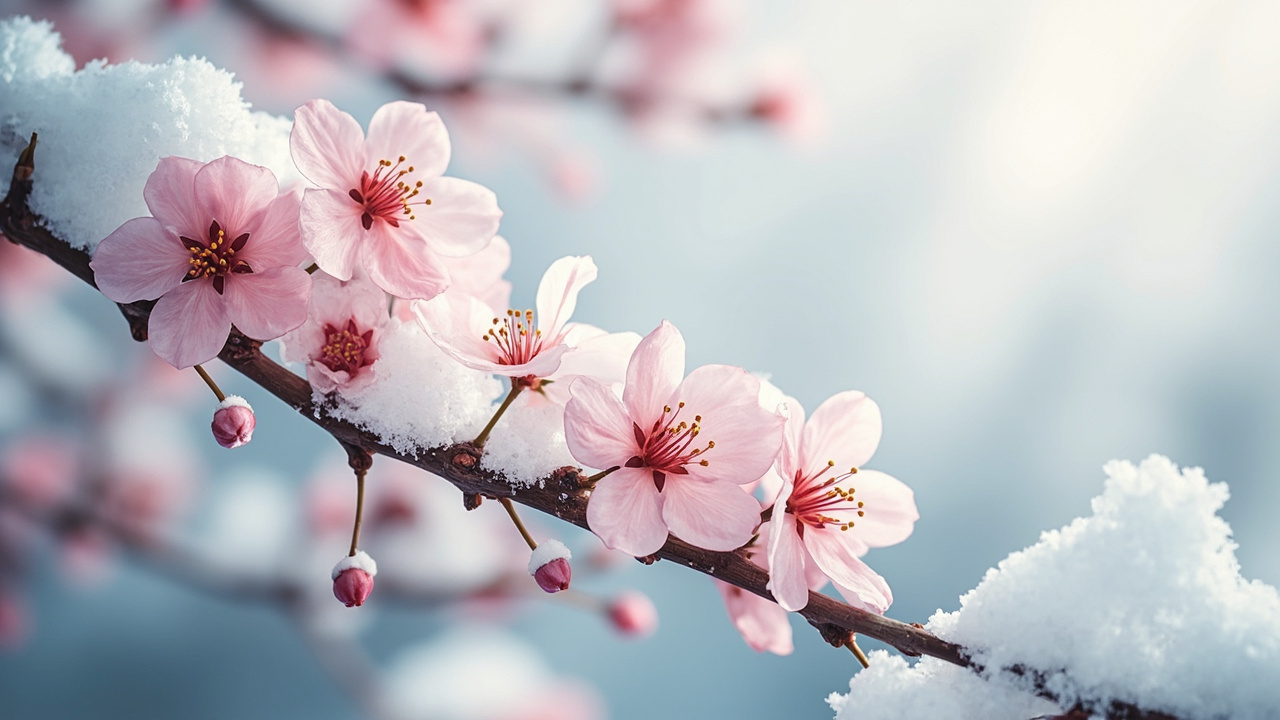
It is 1093 AD. Su Shi — exiled poet, failed politician, the man who made the dish map of China — is standing outside in winter. The plum branches are bare. Snow is falling. He picks up a small piece of fragrant wood and places it on his charcoal brazier. And then he writes a formula that will outlast him by a thousand years.
This is 雪中春信, Xue Zhong Chun Xin. “Spring Message in the Snow.” One of the most beautiful incense formulas in Chinese history.
The Story Behind Xue Zhong Chun Xin
The full story is disputed. Different sources give credit to Su Shi, to his brother Su Zhe, or to his friend Huang Tingjian. What everyone agrees on: this formula was created in the northern Song Dynasty, a period when scholar-officials were not just writing poetry and practicing calligraphy — they were also obsessively refining the art of blending incense.
The name captures the mood perfectly: spring is still months away, but you catch its first sign in the cold air — a faint warmth, a fragrance that seems impossible given the season. That is exactly what this blend does: it smells like anticipation.
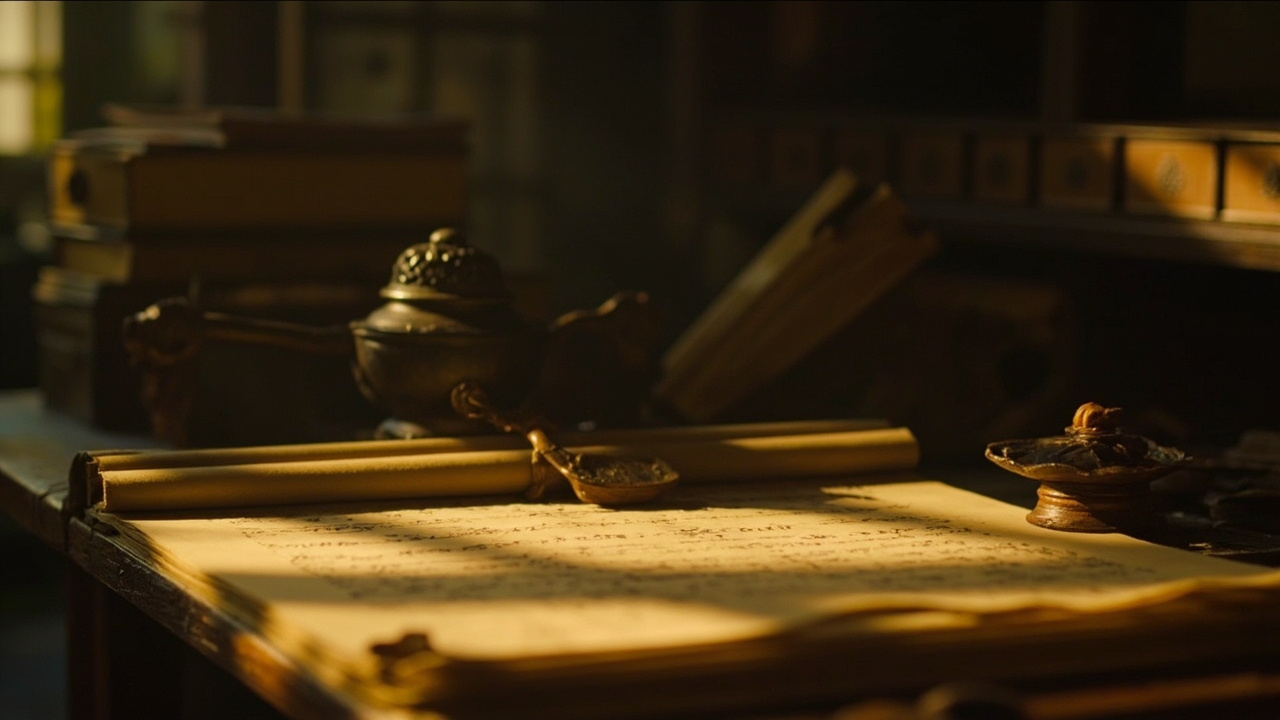
The Classic Formula
Traditional sources list the core ingredients as:
- 沉香 (Agarwood) — the base, usually a medium grade
- 檀香 (Sandalwood) — warm, sweet foundation
- 丁香 (Clove) — a small amount, for the cold spice note
- 龙脑 (Borneol/Camphor) — very small amount, for the “snowy” crispness
- 麝香 (Musk) — a tiny amount, for the animal warmth underneath
- 桂花 (Osmanthus) — for the floral sweetness that emerges
The ratios are what make this formula difficult. Too much borneol and it smells medicinal. Too much musk and it becomes animalic. The art is in the balance.
How to Burn Xue Zhong Chun Xin
Use the lowest heat possible. This formula is designed for indirect burning — either on a mica screen at 60-70°C or in a traditional 云母隔火 (mica heat shield) setup. Direct flame will destroy the lighter notes within seconds.
The effect should be: first, a cool almost-mentholated opening (that is the borneol), then the warm woody base expands, and then the osmanthus emerges as a dry-down note. The whole experience takes 30-45 minutes.
Modern DIY Version (Approximation)
- 1g sandalwood powder
- 0.3g agarwood chips (ground)
- 0.1g clove powder
- A pinch of borneol (seriously — a pinch
- A drop of osmanthus absolute (or skip if unavailable)
- Mix thoroughly. Burn on low heat. Adjust to taste.
Why This Formula Still Matters
Xue Zhong Chun Xin is not just a historical curiosity. It is a template for how Chinese incense thinking works: taking opposing elements — cold and warm, woody and floral, animal and mineral — and finding the precise balance where they become something greater than their parts.
That is the Chinese approach to hexiang in one formula.