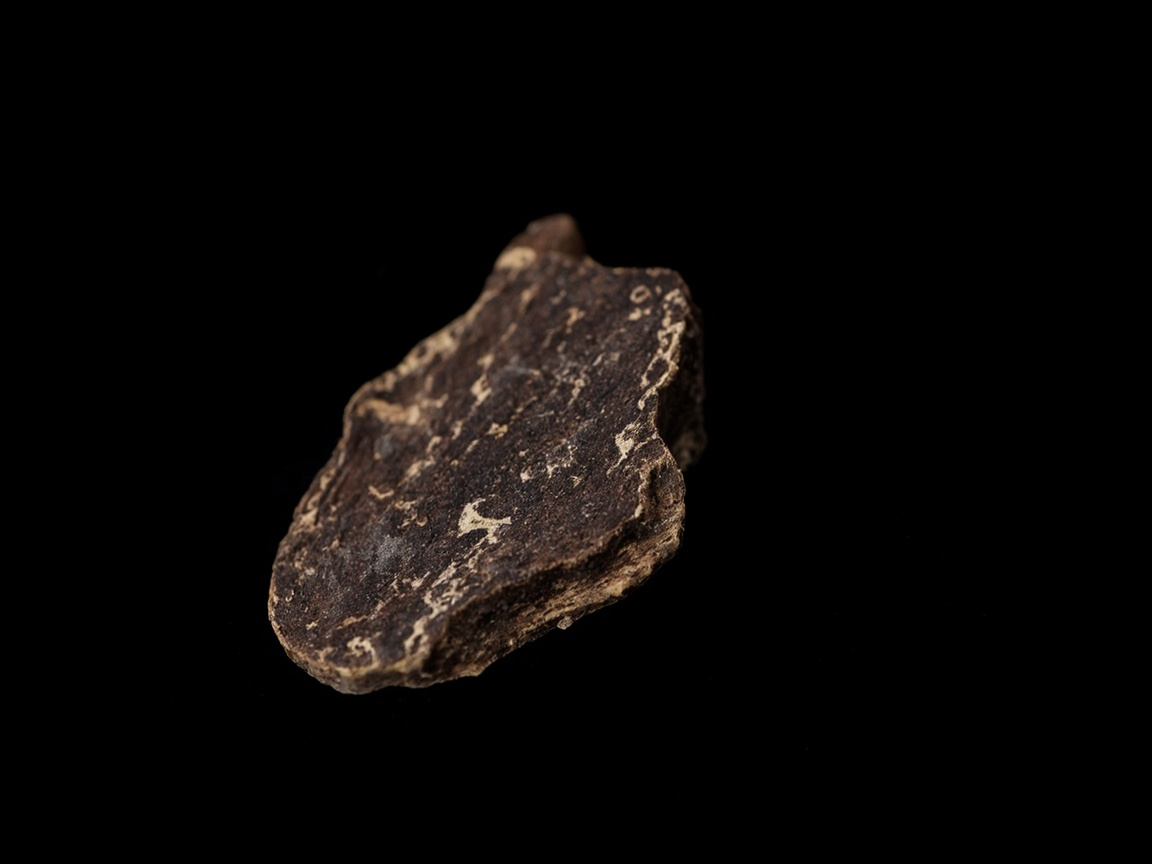
You hold a piece of something dark, almost black, with lighter veins running through it. It weighs almost nothing. You bring it close to your nose and inhale — and then you understand why people spend $10,000 on a single chunk of this material. This is 沉香, agarwood. It is the most valuable fragrant material on earth. Here is how to actually understand it.
What Is 沉香 (Chenxiang / Agarwood)?
Agarwood forms when the Aquilaria tree — native to Southeast Asia and southern China — gets infected with a specific type of mold or bacteria. The tree’s defense response is to produce a dense, aromatic resin. That resin-soaked wood is agarwood. The process takes decades, sometimes centuries.
Without this specific infection, you have ordinary Aquilaria wood. With it, you have one of the most complex natural fragrances in the world — covering fruity, floral, woody, balsamic, and animalic notes simultaneously.
Why Is Agarwood So Expensive?
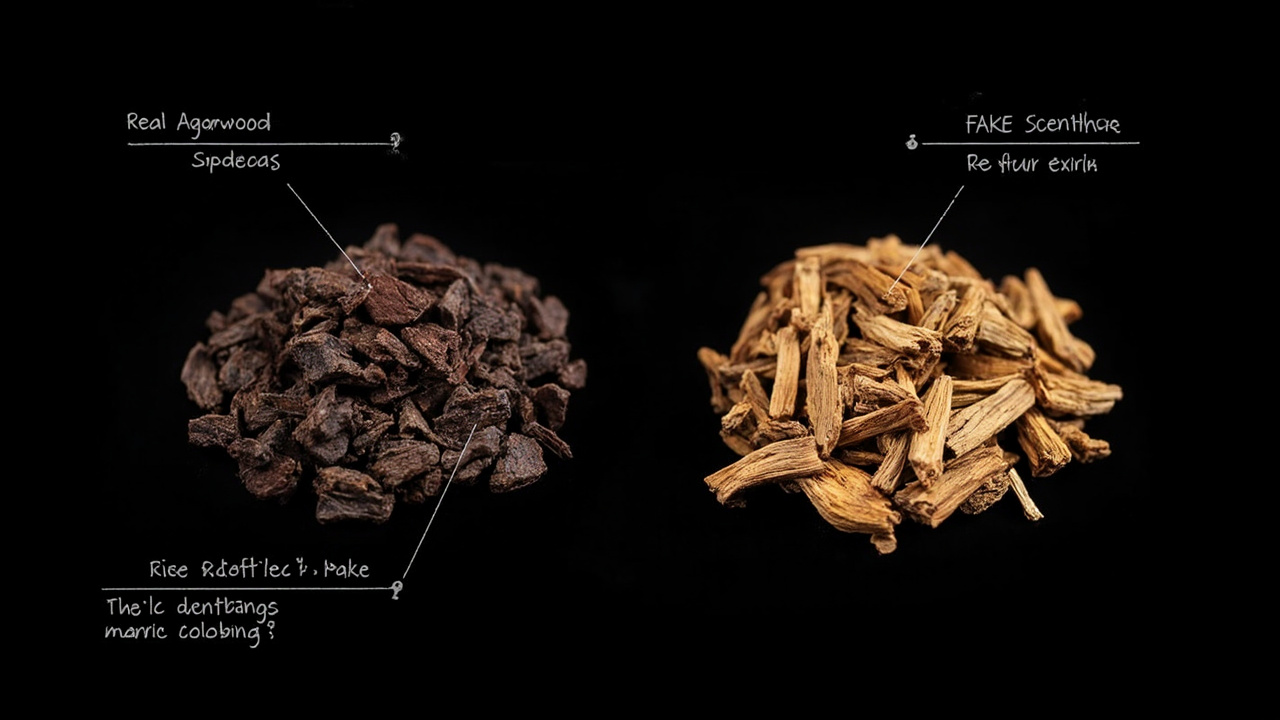
The short version: supply is almost gone. Natural agarwood trees in the wild are nearly extinct. Plantations exist, but the plantation-produced agarwood takes 15-20 years to develop meaningful resin. The market runs on maybe 10% genuine natural material and 90% imitations, reinterpretations, or outright fakes.
The grade system — from 种植 (plantation) to 绿棋 (green chess) to 红棋 (red chess) to 紫奇 (purple奇) — reflects both the resin density and the fragrance complexity. Higher grades burn slower, deeper, and more persistently.
How to Use Agarwood (Beginner Guide)
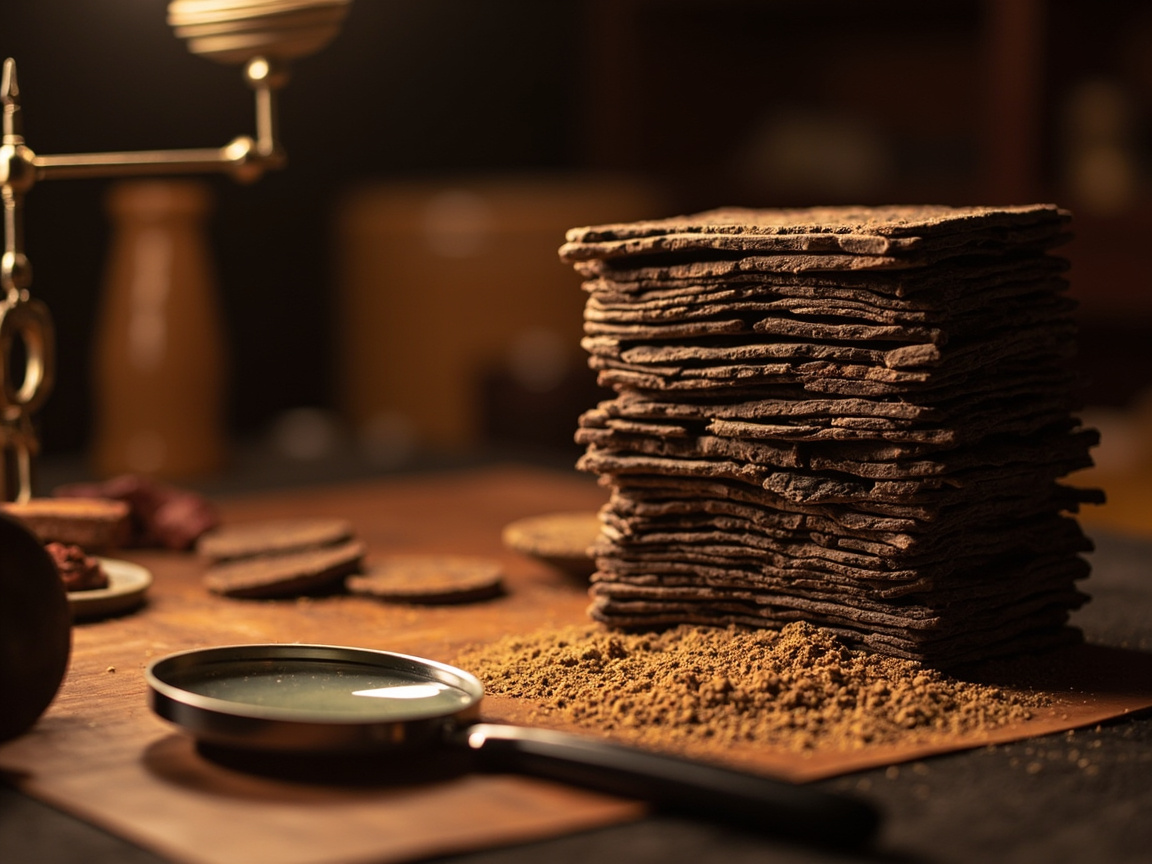
Burning chip form: Place a small piece on a mica screen over a tea light. Let the heat gently release the fragrance. Do not use direct flame — it burns the resin too fast and ruins the scent.
Electric incense heater: The most controlled method. Set to 60-80°C for subtle, long-lasting fragrance. Clean the heater after each use.
Grinding into powder: For traditional charcoal burning. Grind just before use — agarwood powder loses potency quickly once exposed to air.
How to Choose Your First Agarwood
Start with chip form, not powder. You can see what you are getting. The color, the resin distribution, the weight — these all tell you something.
For beginners under $50: look for Vietnamese or Indonesian chips from reputable dealers. Avoid anything marketed as “instant” or “cultured” at very low prices — these are often chemically treated wood, not genuine agarwood.
Signs you are looking at real agarwood: the wood is dark and resinous-looking, it floats in water (due to resin content), and when you hold a flame near it, it flares briefly then releases fragrant smoke — not acrid smoke like burning wood.
Red Flags When Buying Agarwood
- Price too low to be true — real chips start at $5-10 per gram for decent quality
- Vague descriptions — “spiritual energy” language instead of fragrance notes
- No information on origin — Vietnamese, Cambodian, and Indonesian are the main sources
- Weight that is too heavy for the size — might be artificially weighted
What Does Good Agarwood Smell Like?
The honest answer: it changes. The same chip gives you different notes as it burns through. Expect a mix of:
- Sweet: honeyed, molasses, dried fruit
- Woody: cedar, sandalwood, damp forest floor
- Balsamic: vanilla, tolu,storax
- Animalic: musk, leather, animal warmth at higher temperatures
- Floral: sometimes a distinct sweetness that appears in the dry-out phase