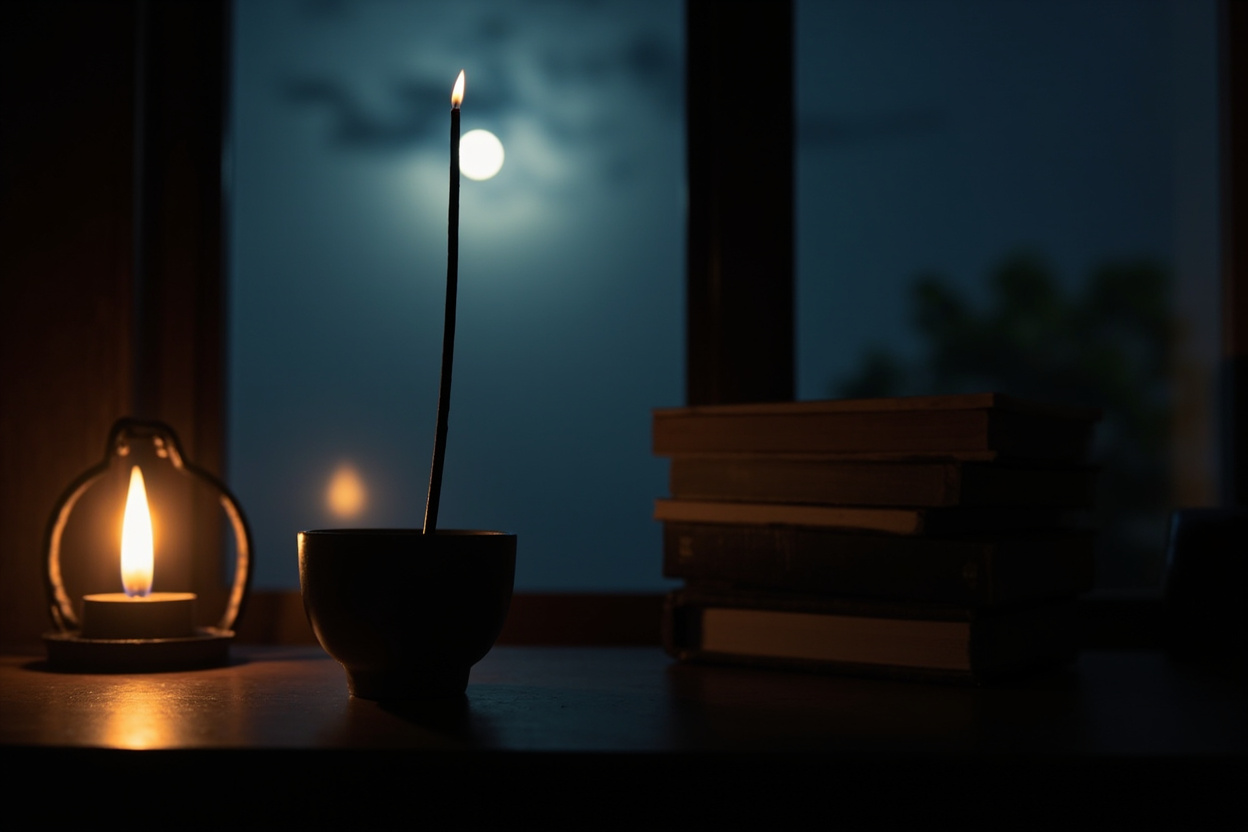
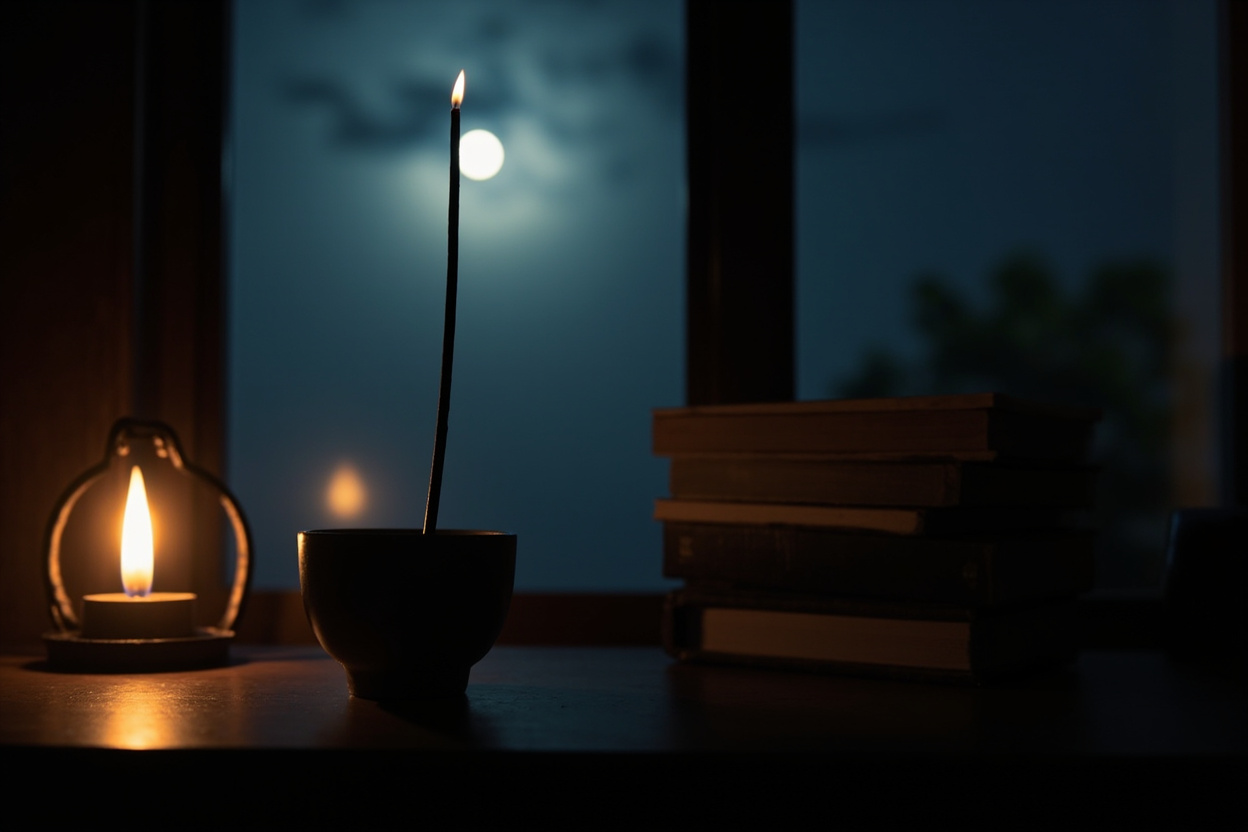
You sit down. You light a stick. Twenty minutes later, you have been staring at the smoke and thinking about nothing in particular. Your to-do list did not shrink. Your phone stayed in your pocket. Your breath is slower. This is what actually happens when people practice Xiangdao — and it is the opposite of what most Westerners expect when they hear the word “incense.”
If you have Googled “what is incense culture” and found yourself in a rabbit hole of vague spiritual language, here is what actually matters: Xiangdao is a 5,000-year-old practice built around using your sense of smell as a gateway to presence. Not enlightenment. Not spiritual power. Just presence. That is already enough.
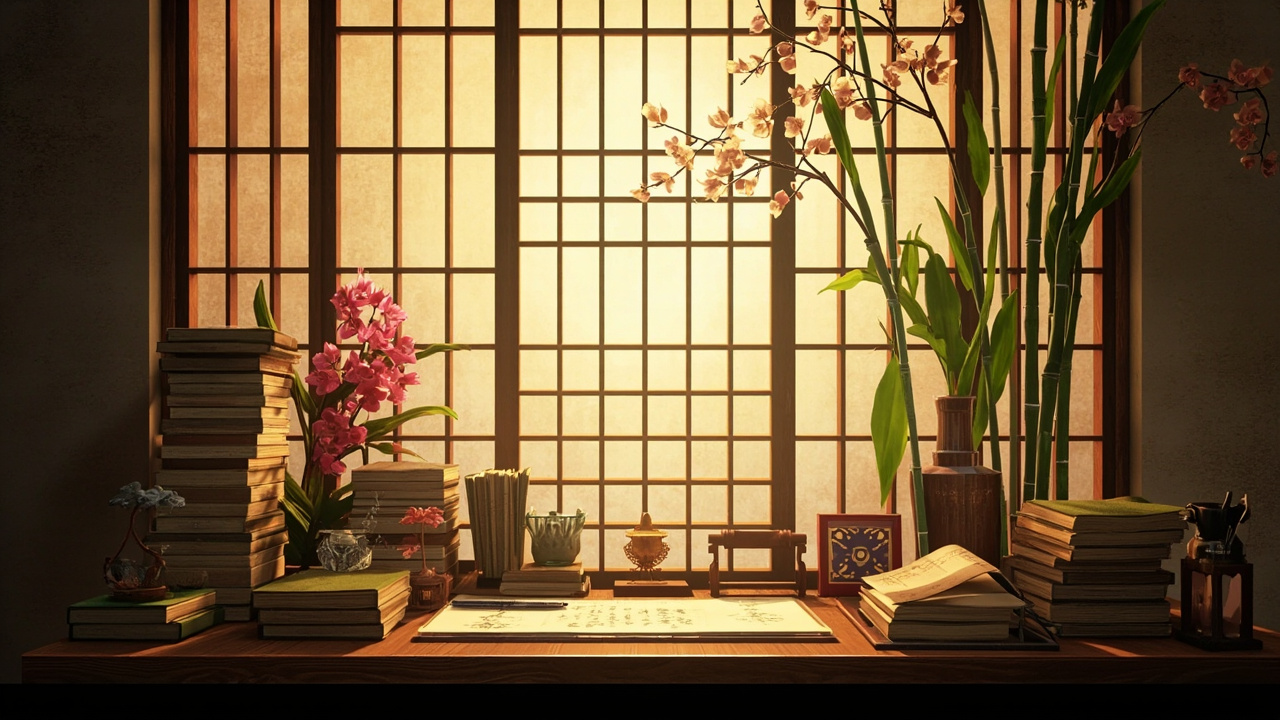
Xiangdao vs Burning Incense — Not the Same Thing
Here is the mistake most people make: they think Xiangdao is about lighting things on fire and enjoying the smell. That is just burning stuff. What makes Xiangdao different — what makes it a “way” rather than just an activity — is the intentionality.
Xiangdao is the intentional practice of using fragrant smoke as a tool for changing your mental state. You can burn incense without practicing Xiangdao. Most people do, all over Asia, every day. They burn it because it smells nice, because it covers cooking odors, because their parents did. That is ambient fragrance. That is not Xiangdao.
The Chinese character 道 (dao) means “the way.” Not in a mystical sense — in the same way we say “there is a right way to do this properly.” Xiangdao is the way of incense.
The Three Principles of Xiangdao: 敬、静、净
1. 敬 (Jing) — Respect: Not reverence toward incense as a spiritual object. Respect for the practice. You do not rush it. You do not multitask while burning. You show up to the sensory experience with attention.
2. 静 (Jing) — Stillness: Not meditation exactly. More like: the deliberate creation of a period where external input slows down. Incense becomes the reason to stop scrolling, stop talking, stop doing.
3. 净 (Jing) — Purity: Clean materials, natural scents, nothing synthetic. Letting the sensory experience be what it is, without projecting narrative onto it.
Why China Invented Incense Culture — A 5,000-Year History
The earliest evidence of incense use in China dates to the Shang Dynasty (1600-1046 BCE). By the Song Dynasty (960-1279 CE), scholars like Su Shi and Su Zhe were blending their own incense formulas. This is when Xiangdao — the literate, philosophical, DIY approach — fully formed.
How to Practice Xiangdao Today — A Beginner Guide
- Buy one good stick of natural sandalwood. Not scented garbage — actual natural sandalwood, $8-15 for a box.
- Close the door to the room. One window cracked. No fans running.
- Light it properly. Hold the tip to the flame for 3-5 seconds. Then blow it out gently. The stick should be glowing ember, not burning flame.
- Sit. Do not play music. Do not read. Just sit and smell for 10-20 minutes.
- Notice. Not analyze. Not describe. Just notice: what do you actually smell?
That is Xiangdao. No ceremony required.
The Five Most Common Mistakes Beginners Make
1. Burning in a drafty room. Smoke goes everywhere sideways. Close the windows.
2. Using low quality materials. Synthetic fragrance incense teaches you nothing about what the practice actually is.
3. Burning multiple sticks at once. One stick at a time. This is not a quantity game.
4. Expecting immediate dramatic effects. The effect of Xiangdao is subtle at first and accumulates over time.
5. Skipping the “do nothing” part. Burning incense while working is ambient fragrance. It is not Xiangdao practice.
Xiangdao FAQ
Is Xiangdao religious?
No. While incense originated in religious contexts and is still used in those traditions, Xiangdao as a secular practice is completely separate from religion.
Do I need special equipment?
A $5-10 incense holder and something fireproof underneath. That is it.
How is Xiangdao different from Japanese Kodo?
Japanese Kodo focuses on identifying single materials. Chinese Xiangdao tends toward blending (hexiang). Both are about attention, not just smell.
How often should I practice?
Consistently beats intensely. Three 15-20 minute sessions per week is better than one 3-hour session per week.