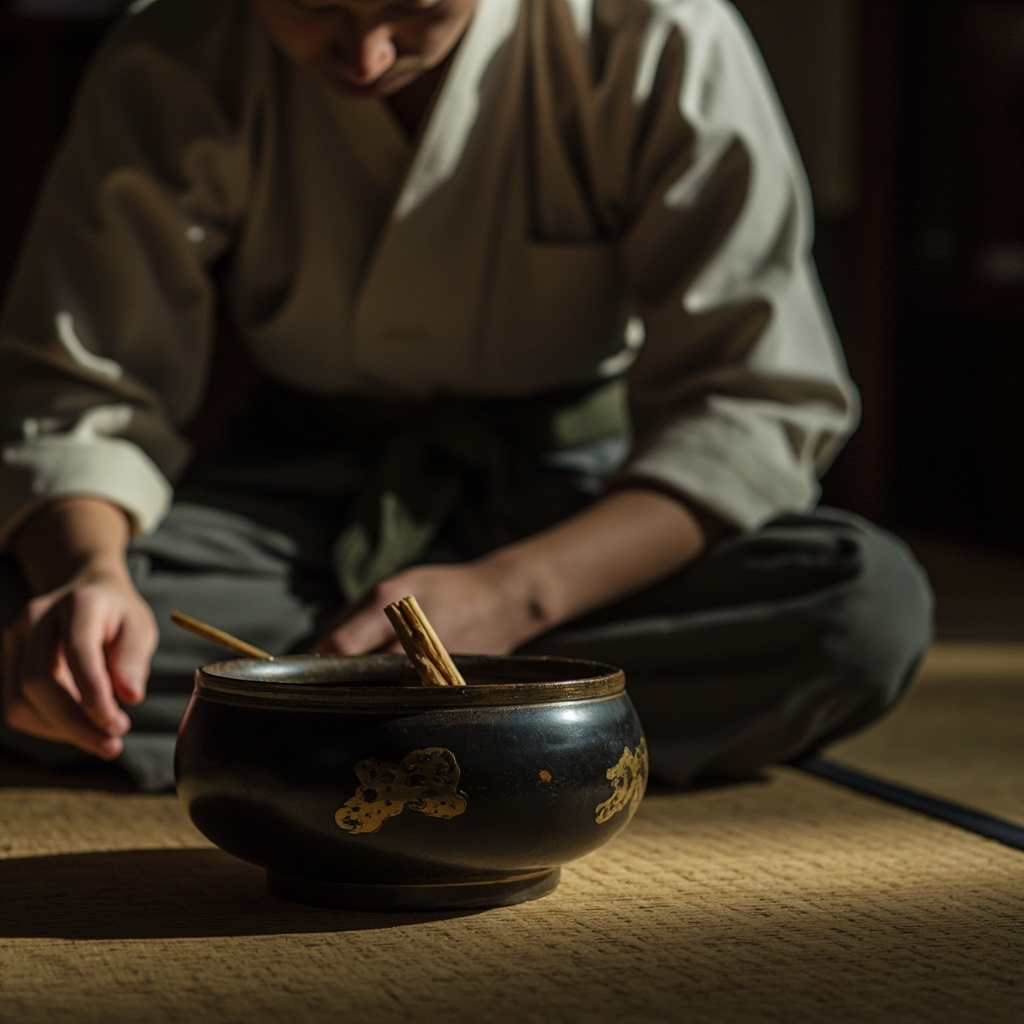
You walk into a Kyoto tea house. A ceramic bowl sits on a silk cloth. The incense master gestures for you to sit. Someone whispers: do not speak during the ceremony. Do not touch the bowl directly. Wait for the signal.
You are suddenly aware of your breathing. You are doing something wrong already.
That feeling — the sense that you are an outsider performing someone elses ritual — is what turns many Westerners away from Japanese Kodo. It is beautiful. It is refined. But it is not yours.
Now consider this instead: it is a Tuesday evening. You light a sandalwood cone in your kitchen. You sit with your coffee. The smoke rises. No one is watching. No one is grading your technique. This is Xiangdao.
Both traditions revolve around incense. Both trace their roots to Buddhist and Taoist practices. And here is the fact that surprises most people: they share the same ancestor. Japanese Kodo was born from Chinese Xiangdao during the Tang Dynasty. They are not equals. One came from the other.
1. Historical Origin: The Same River, Different Tributaries
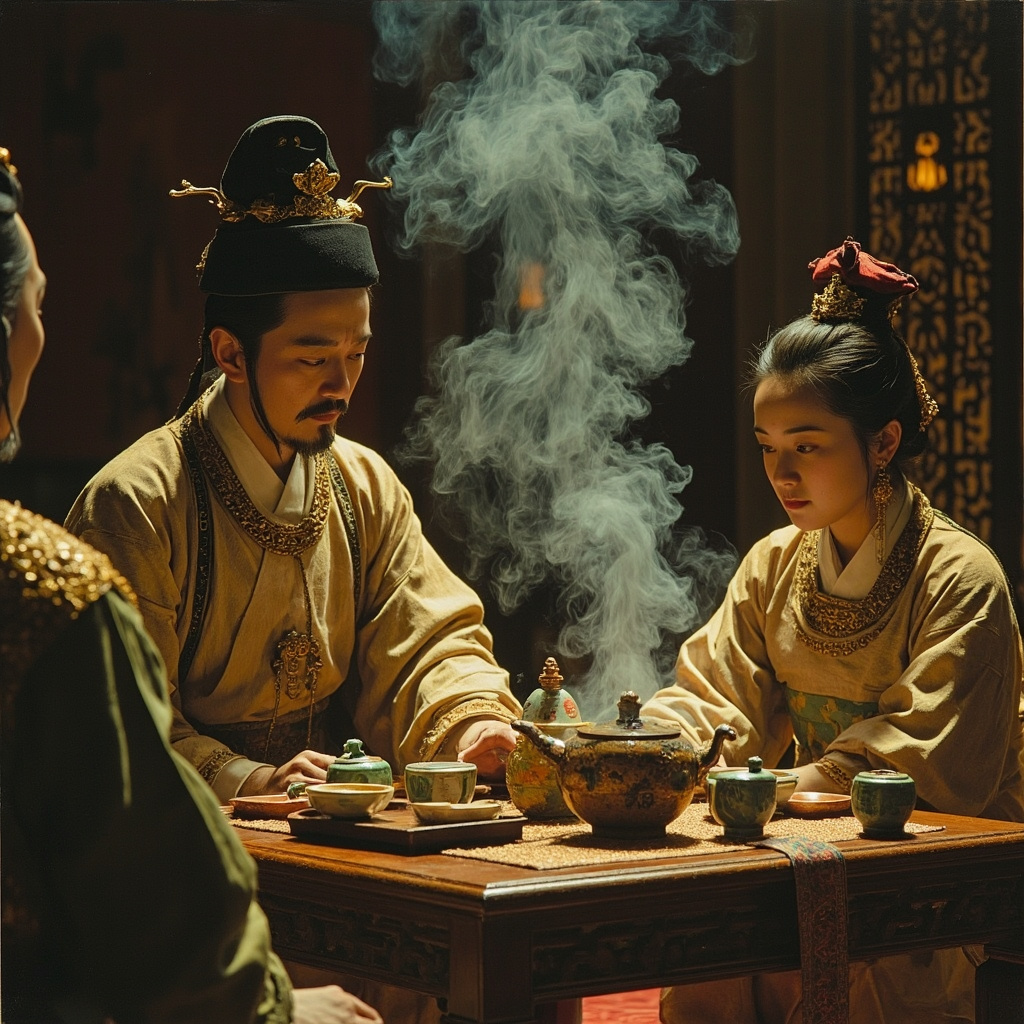
Chinese incense culture predates Japanese Kodo by centuries. During the Han Dynasty (206 BCE – 220 CE), Chinese physicians and scholars were already burning botanical materials for healing, meditation, and ritual. By the Tang Dynasty (618–907 CE), incense appreciation had become a sophisticated art — blended formulas, seasonal variations, scholarly literature devoted entirely to fragrance.
When Japanese monks and diplomats traveled to China during the Tang, they encountered this art and brought it home. They adapted it. They formalized it. Over centuries, it evolved into Kodo (香道, the Way of Incense) — a precise discipline with established schools, trained masters, and strict ceremonial protocols.
So when you attend a Japanese Kodo ceremony today, you are participating in a descendant of Chinese Xiangdao. Not a parallel tradition. Not an equal tradition. A direct descendant, filtered through Japanese cultural values of precision, etiquette, and restraint.
2. Purpose and Accessibility: Daily Practice vs Formal Art
Japanese Kodo was designed to be practiced in specific settings — a tatami room, a tea house, a formal gathering — under the guidance of a trained sensei. The emphasis is on protocol: how you receive the incense bowl, how you smell it, how you respond. Mastery takes years. Appreciation requires training.
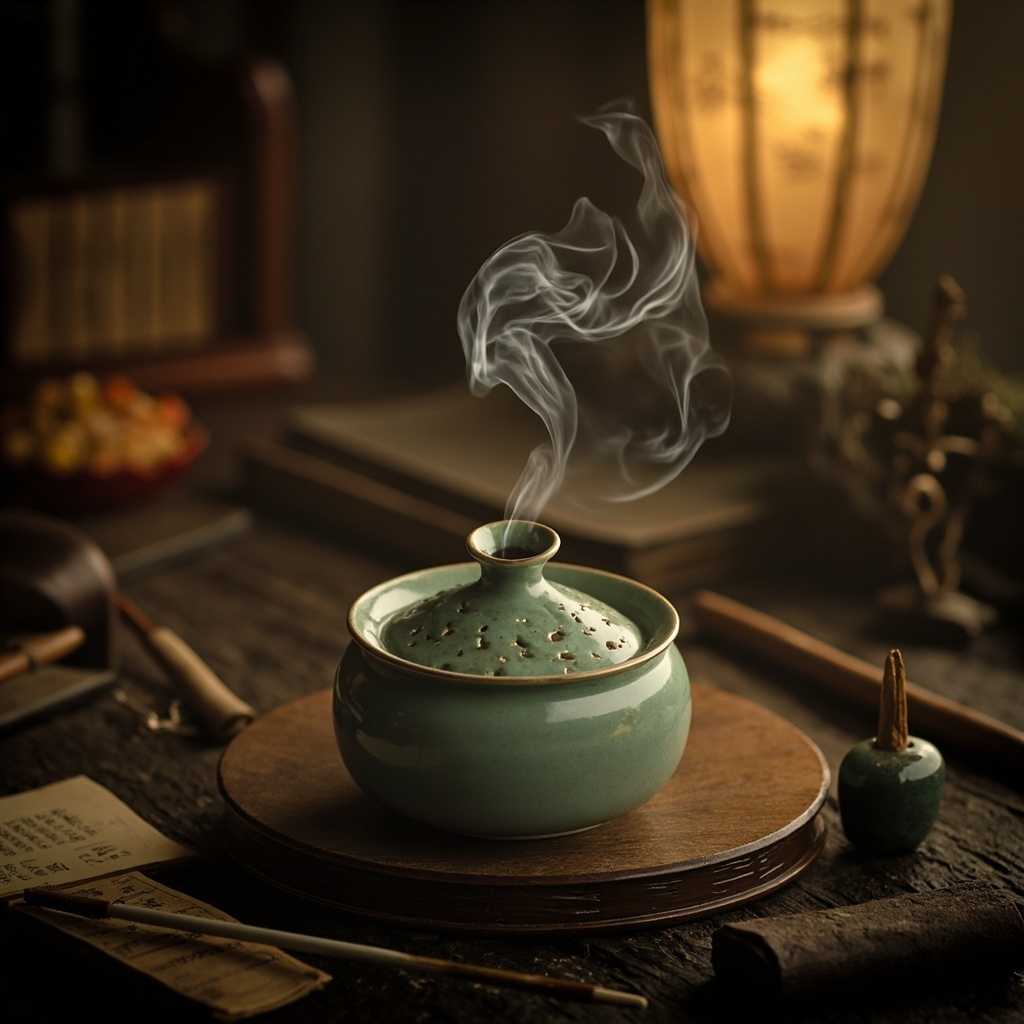
Chinese Xiangdao was never confined to a tatami room. It happened at the scholars desk while he wrote poetry. In the emperors chamber before sleep. In the marketplace apothecary where an old man mixed herbs for customers. It was — and is — a daily practice embedded in ordinary life.
You do not need a sensei to practice Xiangdao. You do not need a special room. You do not need to know which hand holds the bowl. You need a lit stick of incense and ten uninterrupted minutes. That is the entire entry requirement.
3. Incense Materials: Blended vs Single-Wood
Here is where the difference becomes concrete and sensory.
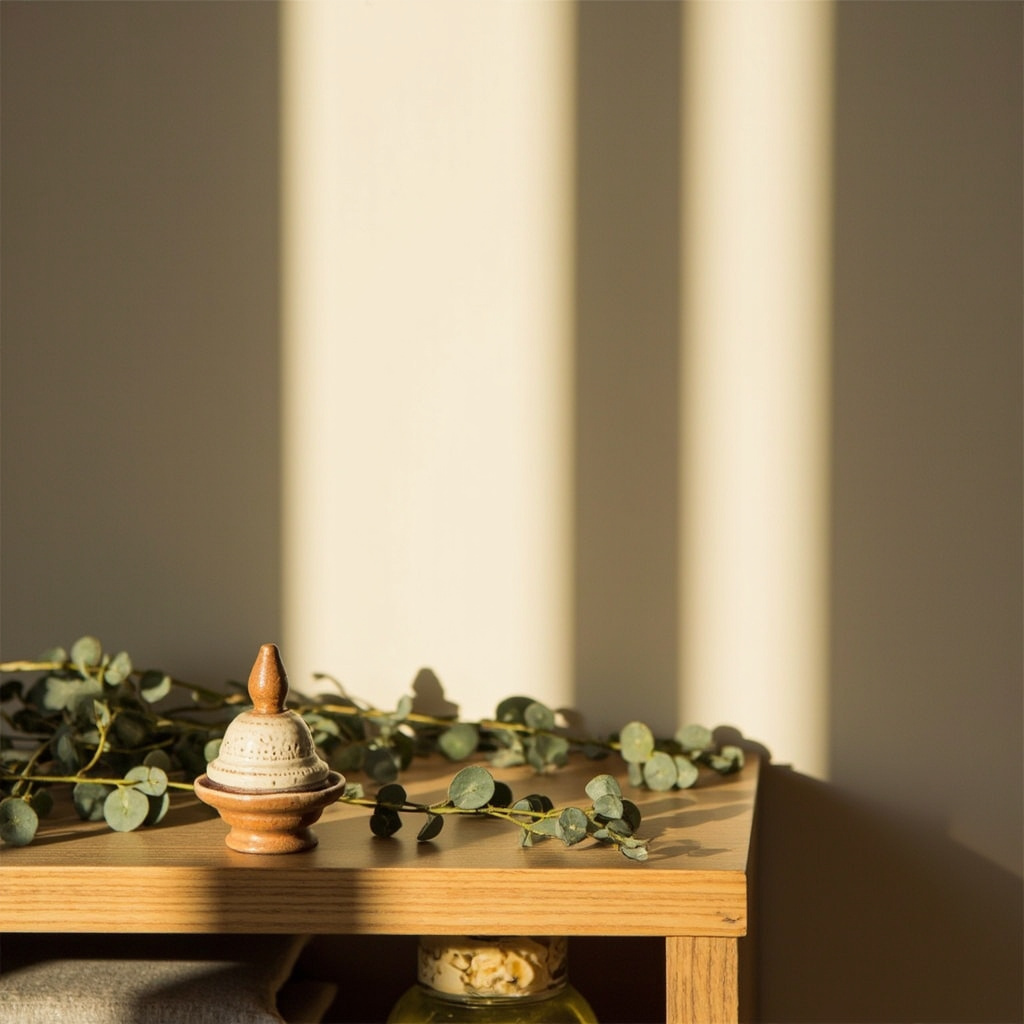
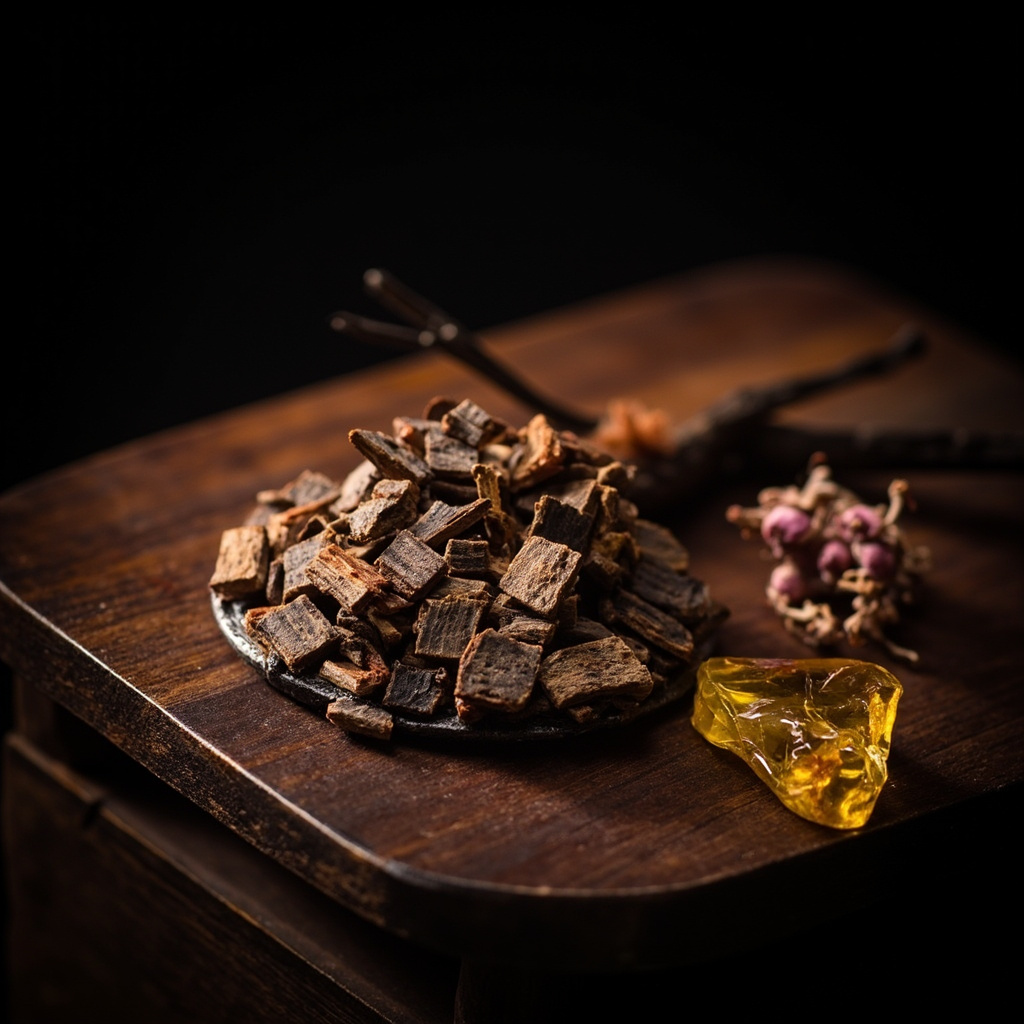
Japanese Kodo centers on mono-in (聞香, single-fragrance) — appreciation of a single high quality wood. The most prized woods are Hawaiian koa, Indian sandalwood, and especially kyara (伽羅), a rare form of aloeswood that can cost thousands of dollars per gram.
Chinese Xiangdao centers on hexiang (合香, blended incense) — the art of combining multiple ingredients to create something none of them could produce alone. A typical hexiang blend might include aloeswood, sandalwood, frankincense resin, dried osmanthus flowers, cinnamon bark, and other botanicals.
Think of it this way: Japanese Kodo is a wine connoisseur tasting a single-vineyard Burgundy. Chinese Xiangdao is a chef building a sauce — complex, layered, responsive to ingredients available that day.
4. Philosophy: Flexibility vs Protocol
Japanese Kodo operates within clearly defined schools — the Kuroshu, Shino, and other lineages, each with their own methods, terminology, and aesthetic values. Attending a ceremony means accepting the frameworks that school has built over generations.
Chinese Xiangdao has no equivalent of these schools. There is no formal credentialing system, no sensei lineage, no standardized ceremony that must be followed. The tradition is rooted in texts — classical recipes, philosophical writings, medical manuals — but how you practice it is up to you.
The scholar who lit incense before painting was practicing Xiangdao. The merchant who burned aloeswood to scent his shop was practicing Xiangdao. The woman who kept sachets of dried flowers in her drawer for anxiety was practicing Xiangdao. The tradition contains multitudes because it never asked its practitioners to perform it the same way.
5. Entry Barrier: Ten Dollars vs Years of Training
Let us talk honestly about cost and commitment.
A proper Japanese Kodo ceremony often involves incense materials priced far beyond what most people would consider reasonable. A single gram of high-grade kyara can cost more than most people spend on incense in a lifetime.
Chinese Xiangdao has no equivalent floor. You can begin tonight with a twelve-dollar bundle of natural sandalwood sticks and a heat-resistant holder from any kitchen supply store.
This is not because Chinese Xiangdao is primitive or unsophisticated. The classical formulas documented in texts are extraordinarily refined. But the tradition never separated appreciation from accessibility. The scholars who wrote those formulas were also the people mixing them in their studios.
Which Is Right for You?
If you want a formal, structured introduction to incense appreciation — if you enjoy ceremony, hierarchy, and the discipline of learning a codified art — Japanese Kodo offers a profound and beautiful path. You will need time, money, and a willing teacher.
If you want something you can fold into your Tuesday evenings, your morning coffee ritual, your anxious Tuesday nights when everything feels like too much — Xiangdao is waiting for you. It does not require permission. It does not require training. It requires only that you light a stick and stay in the room long enough to notice what happens.
The smoke does not care whether you are qualified to appreciate it. It rises. You breathe. That is enough.
Ready to Explore Xiangdao Deeper?
Start with our free beginners guide — everything you need to begin tonight, for under 50.
<p
Related Articles
- Chinese vs Japanese Incense Culture: Blending vs. Singularity
- Chinese Xiangdao vs Japanese Kodo: How Two Traditions Diverged
- What Is Xiangdao? A Complete Beginner Guide
>Xiangdao has been waiting a very long time. It is not going anywhere. Your kitchen table is as good a place as any to begin.