The Problem With Most Incense Blends
Okay, real talk. You’ve probably tried mixing incense before. Maybe you grabbed some sandalwood, added a bit of this, threw in some that. Burned it.
And? Either it smelled weird, or it just didn’t work. Nothing like the smooth blends you’d buy from a pro.
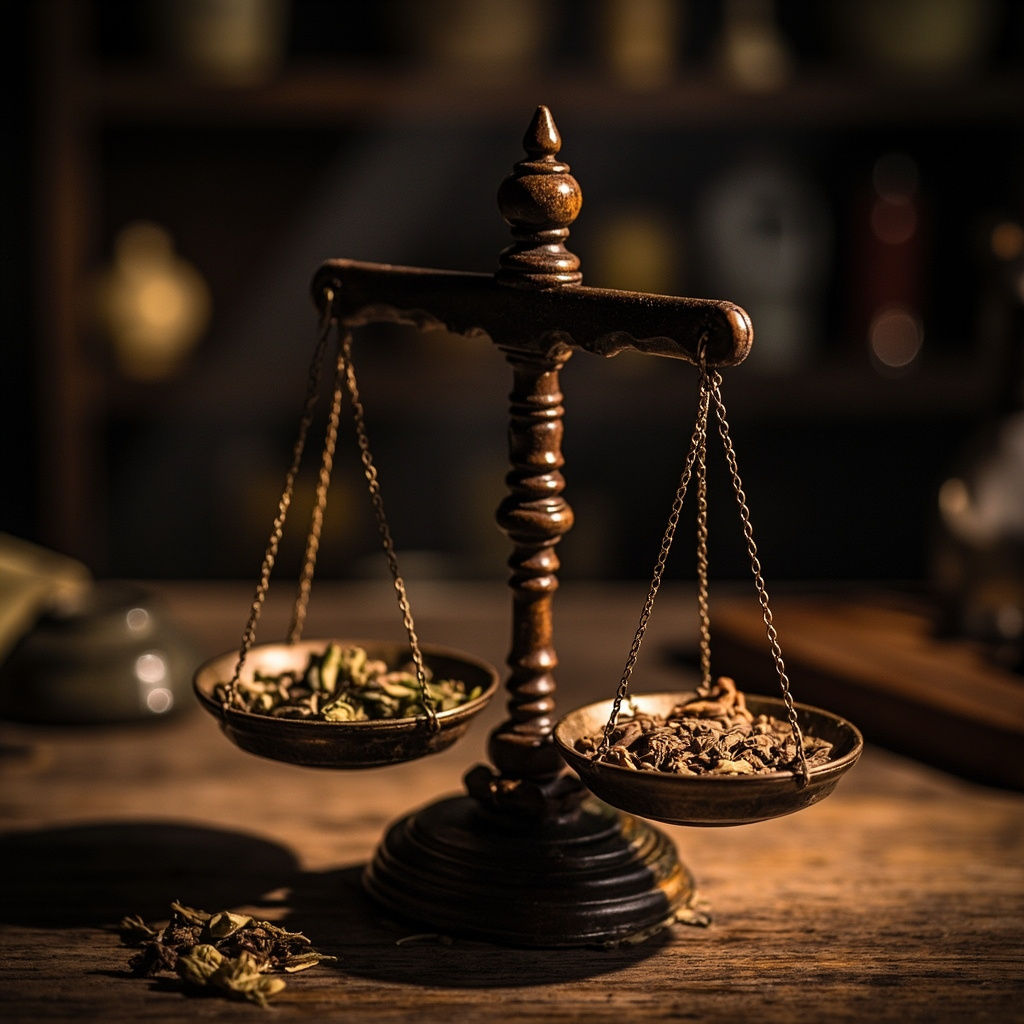
Here’s the secret nobody talks about: ratios. Getting the proportion right between your main scent, support scents, and balancing elements? That’s where the magic happens.
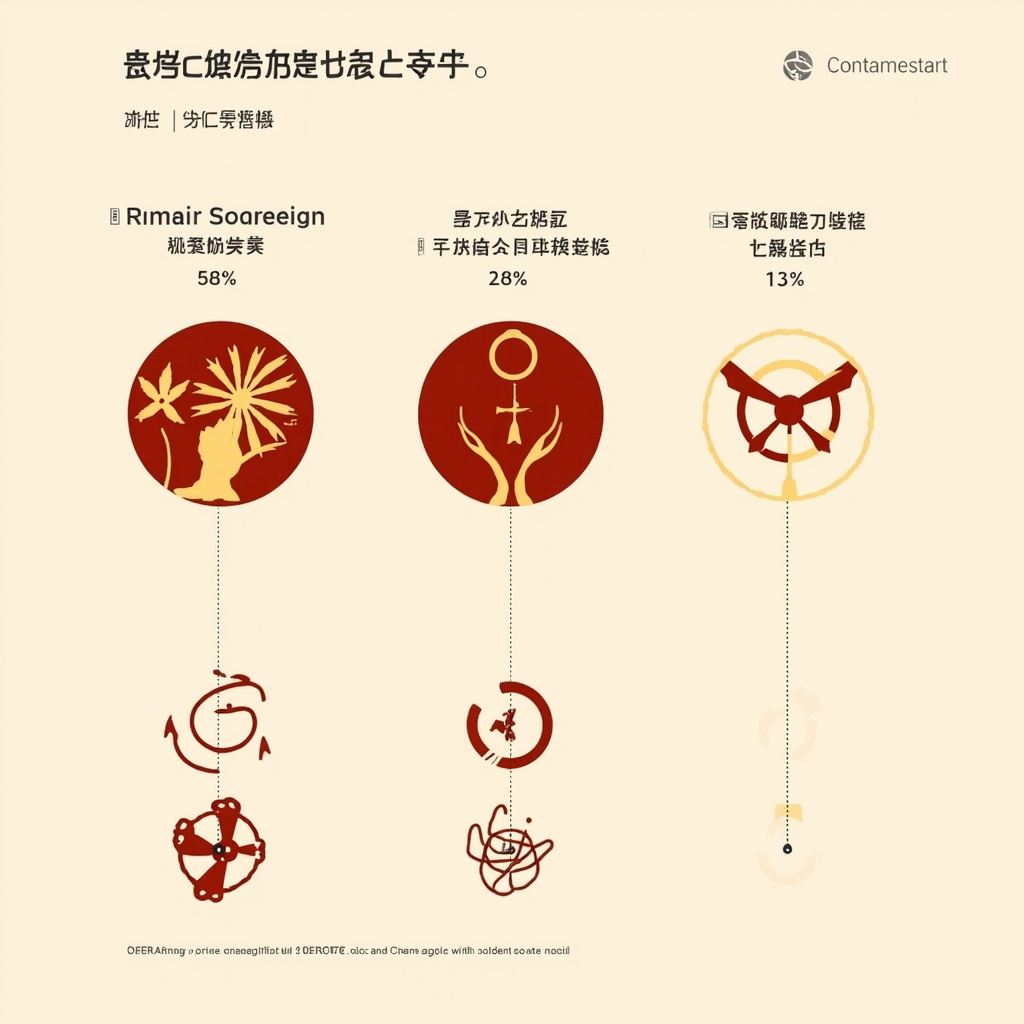
In Chinese incense making, this comes down to the 3:2:1 ratio — or more precisely, the 58-29-13 split. Sounds technical, but stick with me. It’ll change how you think about blending.
Where Does This Ratio Come From?
The 58-29-13 ratio comes straight from the Jun Chen Zuo Shi framework. Remember those four roles? Jun (monarch), Chen (minister), Zuo (assistant), Shi (guide). Each one has its place, and that place is roughly proportional.
Most traditional formulas you’ll find in classical texts — from《香乘》to《陈氏香谱》— follow some variation of this ratio. The exact percentages shift depending on the ingredients and desired effect, but the underlying logic stays the same.
It’s kind of like cooking. You know how a good chef can adjust a recipe? The ratios are the foundation, but there’s room to play.
Breaking Down the 58-29-13
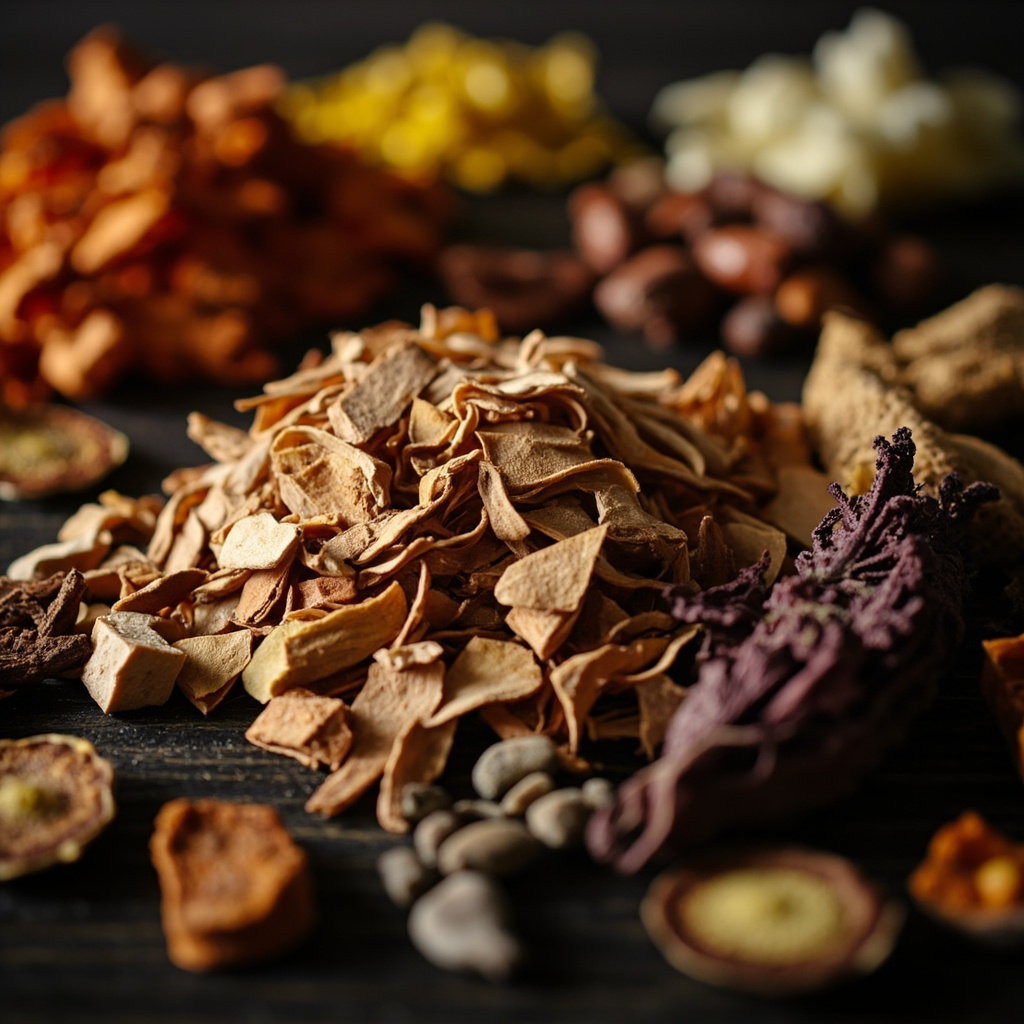
Let me break it down so it actually makes sense:
The Jun (Monarch) — 58%
This is your main scent. Whatever you want people to notice first. In a sandalwood blend, sandalwood takes up about 58% of your formula. An agarwood blend? Agarwood’s your Jun at 58%.
This doesn’t mean 58% of every ingredient — no. It means 58% of your total blend is your primary material.
Why so high? Because the Jun is the star. It needs to dominate. Everything else is just there to support it.
The Chen (Minister) — 29%
The Chen is your support team. It amplifies the Jun, adds depth, makes the main scent richer. In a sandalwood blend, your Chen might be a complementary wood or a warm resin.
29% sounds like a lot, but think about it this way: the Chen is what makes a simple incense into something complex. Without it, your blend is flat. One-dimensional.
You can actually have multiple Chen ingredients. They’ll split that 29% between them. So maybe 15% of one thing, 14% of another. The math works either way.
The Zuo + Shi (Assistant + Guide) — 13%
Here’s where beginners get confused. The Zuo (assistant) and Shi (guide) are grouped together because they’re smaller players. Combined, they make up about 13% of your blend.
The Zuo balances. Smooths out rough edges. The Shi helps everything work together.
You might have one Zuo ingredient or several. Same with Shi. They split that 13% however makes sense for your formula.
Honestly, 13% is tiny. But skip it and your blend feels… off. Like something’s missing. That’s the Zuo and Shi doing their thing.
What Does This Look Like in Real Formulas?
Let me give you a practical example. Say you’re making a basic sandalwood blend:
- Jun (58%): 58g premium sandalwood
- Chen (29%): 20g cedar + 9g dragon’s blood resin
- Zuo (8%): 5g dried osmanthus + 3g another light floral
- Shi (5%): 5g some binding agent or base
- Total: 100g
Doesn’t have to be these specific ingredients. But that’s the structure. See how the Jun dominates? See how everything else is support?
Now compare to something more complex. Say you’re making Xue Zhong Chun Xin:
- Jun (multiple, ~40% total): Musk + something else
- Chen (~30% total): Multiple supporting ingredients
- Zuo (~20% total): Several balancing agents
- Shi (~10%): Binder + connector
See? Complex formulas just add more ingredients within each category. The ratios stay roughly the same.
Can You Change the Ratios?
Yeah, obviously. These aren’t laws of physics.
Some formulas lean heavier on the Chen. Some go lighter on the Zuo/Shi. It depends on what you’re trying to achieve.
But here’s the thing — if you’re just starting out, stick to the 58-29-13. It’s a solid baseline. Once you get comfortable, then you can experiment.
Think of it like learning to drive. You don’t start drifting on day one. First you learn the rules. Then you figure out how to break them properly.
Common Mistakes With Ratios
Mistake #1: Skipping the Chen
Newbies often think “more Jun = better.” So they use 80% sandalwood and call it done. Burns flat. Boring. The Chen is what makes it interesting, man.
Mistake #2: Overdoing Zuo/Shi
13% sounds small, so people think “I’ll add a bit more.” Before you know it, you’ve got 30% balancing stuff and the Jun can’t even be heard. The tail wagging the dog.
Mistake #3: No Jun at all
This happens when people try to make a “balanced” blend from scratch. They throw in equal parts everything. Result? No main scent. Everything fighting for attention. Nothing coherent.
Every good blend has a focal point. That’s the Jun.
How to Use This in Practice
Here’s a simple exercise. Next time you buy incense, try to figure out the ratio. Burn it. Think about what’s the main scent (Jun). What’s supporting it (Chen). What’s balancing (Zuo/Shi).
Over time, you’ll start recognizing patterns. You’ll smell a blend and think “oh, that’s like 70% Jun” or “wow, they really leaned into the Chen on this one.”
Then when you start making your own blends, you’ll have a reference point. “Okay, I want something like that, but with more Chen and less Zuo.”
The Bottom Line
The 58-29-13 ratio is a starting point, not a rule. But it works because it mirrors how human perception works.
We pick out one main scent. We notice the support. We rarely consciously register the balancing elements — but we feel it when they’re missing.
Master this ratio, and you’ve got the foundation of every good incense blend. From there, the world opens up.
Frequently Asked Questions
Is the 3:2:1 ratio the same as 58-29-13?
Basically, yeah. 3:2:1 simplifies it for easier remembering. 58-29-13 is more precise. Both work. Start with 3:2:1, then get more precise as you get comfortable.
What if I can’t measure precisely?
Honestly, for home use, approximate is fine. “More than half is Jun, about a third is Chen, small bit for balance.” You don’t need a scale to the gram. What matters is getting the proportions roughly right.
Can I have multiple Jun ingredients?
Technically yes. But then neither is truly the Jun — they’re both supporting each other. Better to have one clear lead. Makes the blend more coherent.
Does this apply to all types of incense?
It’s most relevant for hexiang (blended incense). Single-incense sticks don’t follow this since there’s no blending. But for any blend — sticks, powders, pills — this ratio framework holds.
What happens if I get the ratios totally wrong?
Depends on how wrong. Slightly off? Maybe nobody notices. Way off? You might end up with something that barely smells, or something that smells weird or harsh. The ratios exist because they work.