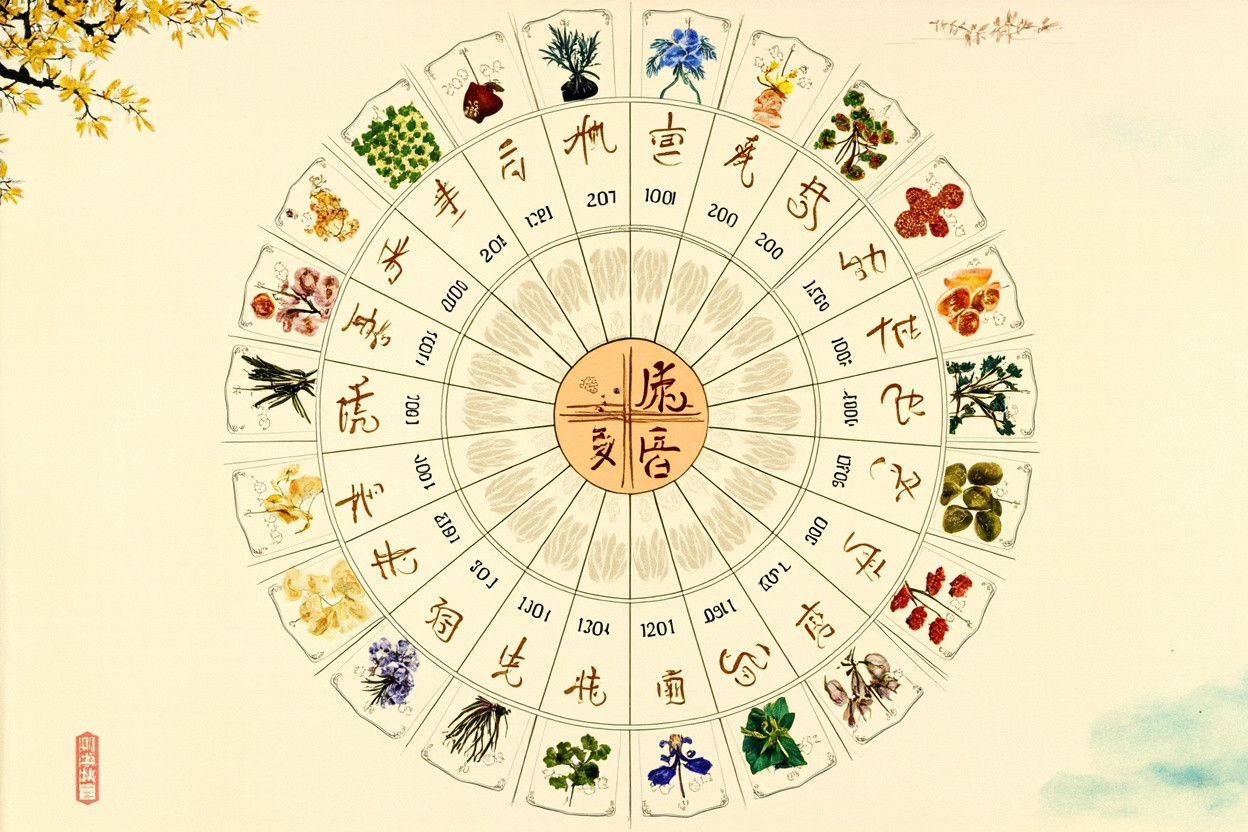
You know the feeling. January 20th arrives. The calendar says winter, but something in your body says something else has shifted. You feel different energy, different mood, different appetite. Your skin is drier. Your sleep patterns changed. This is not your imagination. The twenty-four solar terms (二十四节气) are real, and your body knows them better than your calendar does.
Traditional Chinese agriculture organized its ENTIRE year around these twenty-four solar terms — fifteen-day periods that mark subtle shifts in sunlight, temperature, humidity, and life energy. And traditional Chinese medicine, which sees human beings as inseparable from their environment, built its wellness system around these same rhythms.
Incense practice is no exception. The twenty-four solar terms each carry distinct energetic qualities. Burning the right incense at the right solar term supports your body is natural adaptation to seasonal shifts. This is what the ancient practitioners called 合天时 — harmonizing with the timing of heaven.
Spring Solar Terms: Awakening and Growth (February-April)
Li Chun (立春, Start of Spring) — The yang energy begins to rise. Use light, dispersing scents that support liver qi movement: peppermint, chrysanthemum. Burning time: 20 minutes, morning.
Yu Shui (雨水, Rain Water) — Moisture returns to the air. Focus on dampness-transforming aromatics: dried tangerine peel, ligusticum. Short sessions to avoid excessive moisture.
Jing Zhe (惊蛰, Awakening of Insects) — The insects stir from winter dormancy. This is the true beginning of spring activity. Support the liver with rose, mint. Begin increasing session length slightly.
Chun Fen (春分, Spring Equinox) — Day and night are equal. A day of balance. Clean, balanced scents: white peony, light chrysanthemum. This is the key transition point for switching from winter to spring incense practices.
Qing Ming (清明, Clear and Bright) — The weather clears, the air is fresh. The associated organ is the liver. Scents should be clear, light, liver-supporting: mint, chrysanthemum, light floral.
Gu Yu (谷雨, Grain Rain) — The rain nourishes the grain. The last solar term of spring. Focus on spleen support and dampness transformation: patchouli, cooper root, agastache.
Summer Solar Terms: Flowering and Fruiting (May-July)
Li Xia (立夏, Start of Summer) — Summer begins. The heart meridian needs attention. Switch to cooling, heart-calming scents: lotus, jasmine, light white peony.
Xiao Man (小满, Lesser Fullness of Grain) — The grain fills but is not yet ripe. The spleen is active. Avoid over-rich scents. Continue with light, cooling aromatics.
Mang Zhong (芒种, Grain in Ear) — The grain forms its ears. The fire of summer is building. Increase cooling practices: more lotus, more jasmine, longer evening sessions.
Xia Zhi (夏至, Summer Solstice) — The longest day, maximum yang. The heart is at its peak activity. This is the most important summer solar term for incense practice. Cooling, heart-calming, spirit-quieting scents are essential.
Xiao Shu (小暑, Minor Heat) — Heat begins to intensify. Shorten sessions if feeling agitated. Focus on cooling, water-element scents: lotus, water lily, light sandalwood.
Da Shu (大暑, Major Heat) — The peak of summer heat. Cooling practice is essential. If you are feeling irritable, restless, or sleepless, increase incense sessions. Use the most cooling scents available.
Autumn Solar Terms: Harvesting and Contracting (August-October)

Li Qiu (立秋, Start of Autumn) — Autumn begins. The收敛 (contraction) energy starts. Begin transitioning to lung-supporting, descending scents: white peony, marigold, eupatorium.
Chu Shu (处暑, End of Heat) — The heat retreats. The body is still adjusting. Continue with cooling scents but begin introducing more descending, contracting elements.
Bai Lu (白露, White Dew) — Dew becomes white with cold. The lungs are vulnerable. Focus on lung support: white peony, adenophora root, apricot seed.
Qiu Fen (秋分, Autumn Equinox) — Day and night are equal again. Balance is key. Transition point from summer cooling to winter warming. Evaluate your energy — if still showing summer signs, continue with cooling; if transitioning well, begin introducing slightly warming elements.
Han Lu (寒露, Cold Dew) — The dew becomes cold. The body prepares for winter. Lung support is essential. Begin reducing session length slightly in preparation for winter.
Shuang Jiang (霜降, Frost Descent) — Frost falls, yang retreats completely. The last solar term of autumn. The transition to winter begins. Focus on lung and spleen, begin transitioning to winter warming scents.
Winter Solar Terms: Conserving and Storing (November-January)
Li Dong (立冬, Start of Winter) — Winter begins. Conservation mode activates. Switch to warming, kidney-supporting scents: aged agarwood, benzoin, small amounts of cinnamon.
Xiao Xue (小雪, Light Snow) — Snow falls lightly. The body is adjusting to cold. Continue with warming, kidney-supporting practices. Lengthen sessions slightly.
Da Xue (大雪, Heavy Snow) — Heavy snow, deep winter. Kidney yang is at its most vulnerable. Increase warming incense practice. This is the most important winter solar term for kidney conservation.
Dong Zhi (冬至, Winter Solstice) — The shortest day, maximum yin. This is the day of maximum yin and the birth of new yang. Special practice day for incense. Burning warming, kidney-supporting scents during this 24-hour period is considered especially beneficial.
Xiao Han (小寒, Minor Cold) — Cold intensifies. The body is in full conservation mode. Long, warming evening sessions support kidney yang. Reduce activity, increase rest, increase incense practice.
Da Han (大寒, Major Cold) — The coldest period of the year. Maximum yin. Continue warming, kidney-conserving practice. This is the last solar term before the cycle begins again with Li Chun. Evaluate your winter practice and prepare for transition.
Frequently Asked Questions
Is it necessary to follow all 24 solar terms precisely?
No. The eight major solar terms — Li Chun, Li Xia, Li Qiu, Li Dong, Chun Fen, Xia Zhi, Qiu Fen, Dong Zhi — are the critical transition points. If you can only manage eight incense changes per year, focus on these. They mark the four season transitions and the two solstices, which are the most energetically significant points.
What if I live in a tropical climate?
The solar terms were developed for the Chinese climate, but the underlying principles adapt. Focus on the wet/dry and warm/cold cycles that define your local climate. The principles — matching incense to environmental energy — remain the same even if your specific solar terms differ from the Chinese agricultural calendar.
Can I combine solar term incense with four seasons wellness incense?
Yes, and this is actually the most sophisticated practice. The four seasons wellness approach gives you the seasonal base. The solar term approach refines that base with more precise timing. A winter solstice (Dong Zhi) session, for example, would use a kidney-supporting blend but with more emphasis and intention than a regular winter session.
Related Articles
- Four Seasons Wellness Incense: A Complete Seasonal Practice Guide
- Seasonal Incense: Scenting Each Season of Your Life
- Incense Wellness: 1000 Years of Eastern Health Wisdom
The Calendar on Your Wall Is Wrong
The Gregorian calendar tells you it is January 15th. Your body knows it is already deep in winter. Or perhaps it is mid-September by the calendar but your energy has already shifted into autumn. The twenty-four solar terms are more accurate than any calendar. Start paying attention. When you feel the shift before the date changes, that is your signal. Adjust your incense. Trust your body. It has been following the solar terms for thousands of years.